McDonald's payroll access varies by restaurant, workers need location-specific portals
McDonald's payroll is not one-size-fits-all. Your pay stubs, W-2s, and direct-deposit settings may sit with the restaurant operator, not the brand, so know your location’s system early.
Payroll at McDonald's depends on who runs your restaurant
The same McDonald’s badge can lead to different payroll systems from one store to the next. That is the part workers often learn only when they need a pay stub for a loan, a W-2 for tax filing, or proof of income for housing, and the clock is already running.
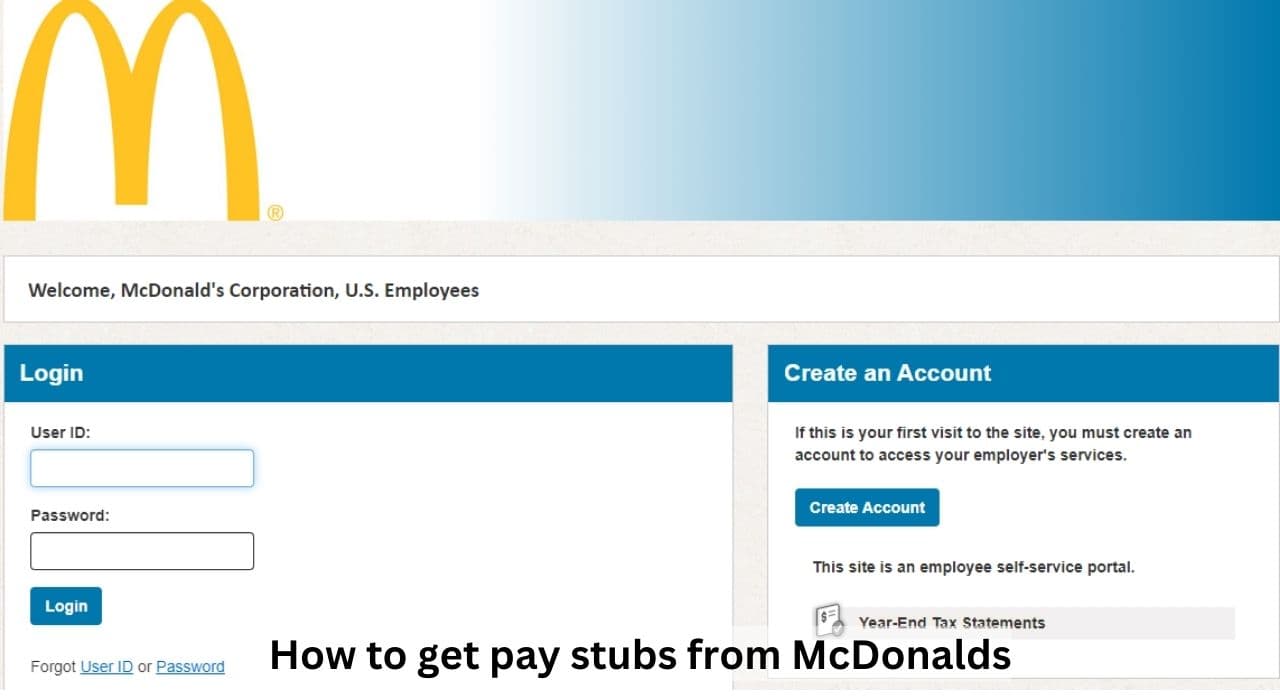
McDonald’s portal pages show role-based access for crew, restaurant managers and franchisees, corporate employees, consultants, and suppliers, which is a clear sign that there is not one universal employee login. For workers, that means the first payroll question is not just “Where is my pay?” but “Which operator runs this location, and which system does that operator use?”
Start with the restaurant, not the brand
If you need records, the safest move is to begin with the store where you work or used to work. RFO McDonald’s lays out a process where employees create an account, verify their access, and then get pointed to the relevant payroll system to view pay stubs and W-2 forms. That is the practical reality of the franchise model: the restaurant operator often determines where the records live.
A good rule is to keep the name of the owner-operator in your own notes, especially if you change locations or leave the company. When payroll systems are restaurant-specific, the person who can help you may be a local manager, a franchise office, or a former employer contact, not a chainwide help desk.
Here is the fastest way to sort out where your records are:
1. Ask your manager which payroll system the restaurant uses.
2. Find out whether the location uses a crew account portal, a manager portal, or a franchisee platform.
3. Check whether your operator uses HCMToGo, Proliant, Daily Pay through Proliant, or another system.
4. If you have left the job, ask which office or store still handles W-2s and wage records.
That sequence matters because every missed step can cost time at exactly the wrong moment.
What current workers should look for
McDonald’s own systems show that access is split by role, and that is especially visible in the crew account portal and the RRM Portal, which is described as a secure platform for employees to access resources, tools, and information essential for their roles. For some workers, the login path is straightforward. For others, it depends on whether they are crew, managers, or franchise-level users.
GFM McDonald’s says workers can use HCMToGo to get year-end statements, including W-2s and Form 1095-C, and to manage W-4 and state withholding changes as well as direct deposit information. One important detail: banking and pay card changes must be entered five business days before the check date to take effect. For anyone trying to switch accounts after a bank problem or a move, that deadline can make the difference between getting paid on time and waiting another cycle.
JPI takes a similar location-specific approach. It says employees can enroll in Proliant for quick access to paycheck stubs and W-2s, and can also use Daily Pay through Proliant. For workers living paycheck to paycheck, that kind of access is not a convenience. It can determine whether rent gets paid, whether a bill bounces, or whether you can prove income when a landlord asks for documentation.
If you have already left McDonald's
Former employees need to be even more careful about the operator name, because the paper trail usually follows the franchise, not the logo. McBroward says current employees receive W-2 forms in the restaurant on January 31, while former employees’ W-2 forms are mailed on January 31 to the last known address on file. If your address changed after you left, that detail becomes critical fast.
Benton Restaurants, which describes itself as a former McDonald’s franchisee operator, says former employees can use its Employee Portal to retrieve employment and wage information going back to January 2019. That is a useful reminder that record retention can vary sharply by operator. It also shows why workers should not assume that a single McDonald’s system will still hold their file after they leave.
If you are trying to track down old records, focus on three things:
- The exact restaurant location where you worked
- The franchise owner or operator connected to that store
- The last address and contact information on file with the employer
If you do not know where to start, the local store is still the right first stop. Benton says questions regarding McDonald’s stores should be directed to the store, and that approach reflects how much the chain’s labor paperwork is tied to the individual restaurant.
Why this is a worker-rights issue, not just admin
Payroll access sounds like back-office clutter until it stops someone from filing taxes or verifying income. It also exposes the split between McDonald’s corporate identity and the franchise system that actually manages many workers’ day-to-day records. In a chain this large, a missing W-2 or a locked portal is not a small inconvenience; it is a real barrier to staying current with tax deadlines, applying for credit, or proving you were paid correctly.
That is why managers should treat payroll questions as worker-support issues, not nuisance requests. Employees need records to check hours, review deductions, and confirm the money they were promised. Clear instructions, current login details, and a known contact path can prevent the late-season scramble that too many crew members face when tax forms are due and the portal will not open.
The bottom line is simple: at McDonald’s, payroll access often follows the restaurant, not the brand. If you know your operator, know your portal, and keep your contact details current, you are far less likely to get trapped when a pay stub, W-2, or earnings record suddenly becomes urgent.
This article was produced by Prism’s automated news system from verified source data, official records, and press releases, then run through automated quality and moderation checks before publishing. The system is built and supervised by the people who set the standards it runs under. Read our full AI policy.
Did this article answer your question?