McDonald's franchise model explains why worker pay and benefits vary
The logo on the building can hide who really runs your restaurant. At McDonald’s, that split can decide your pay, benefits, schedule, discipline, and who answers when something breaks.
Why the franchise split matters
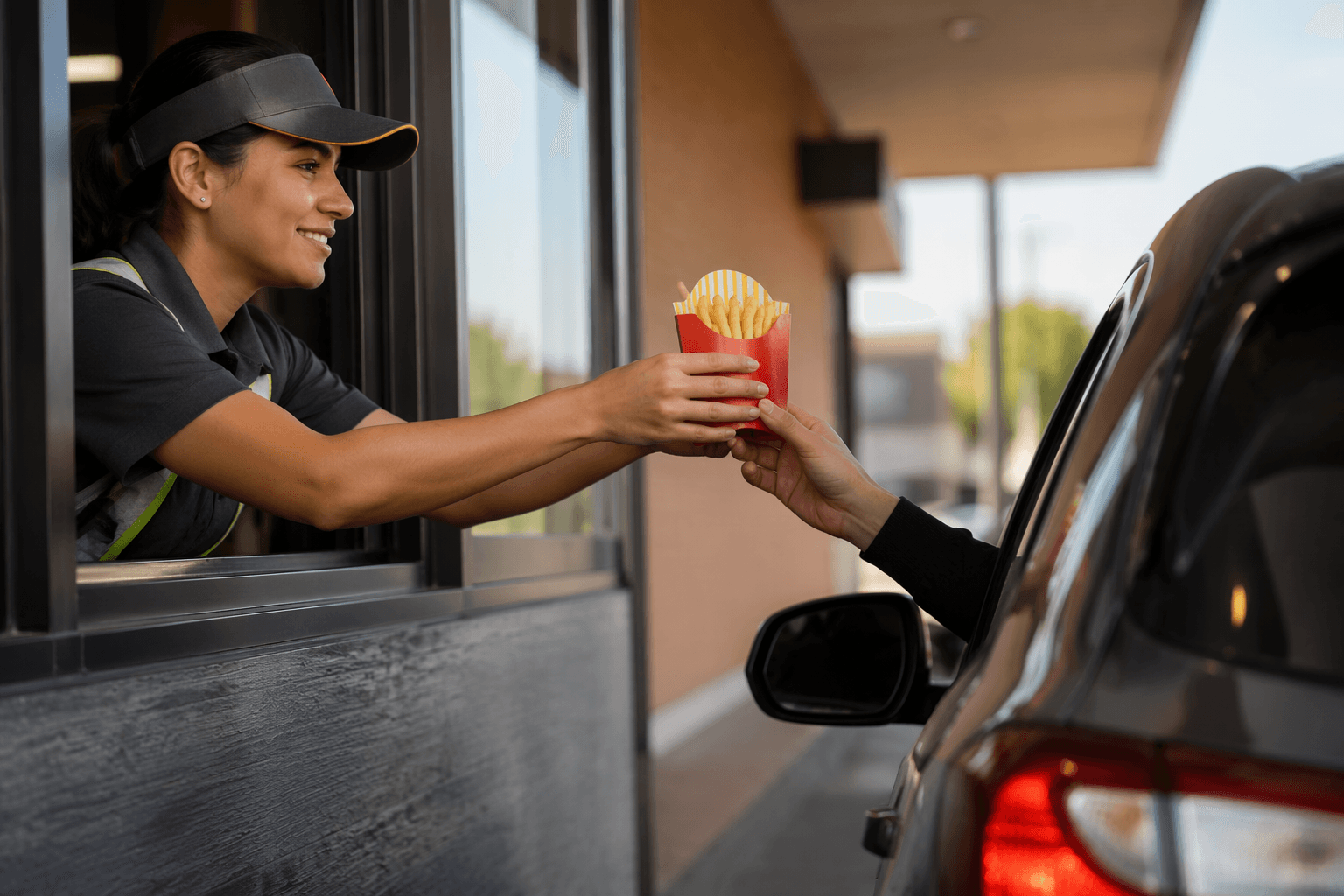
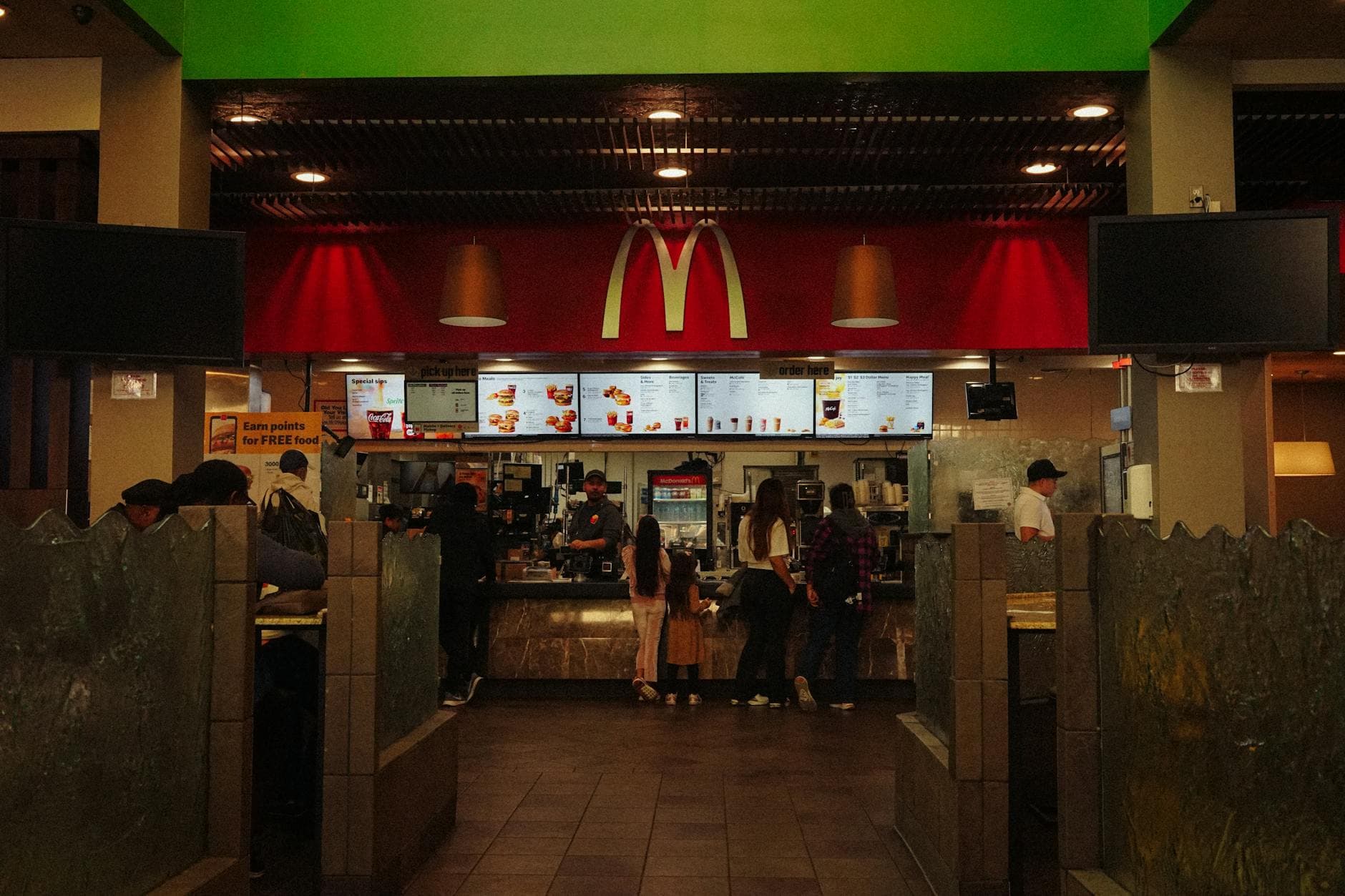
If you work at McDonald’s, the most important thing to know about your job may be this: the name over the door does not always tell you who is actually in charge. McDonald’s says more than 80% of its restaurants worldwide and nearly 90% in the U.S. are owned and operated by independent franchisees, which means the person setting parts of your day-to-day work is often not McDonald’s Corporation itself. In practical terms, that can affect who signs your paycheck, what payroll system you use, which benefits you can get, how complaints are handled, and whether the rules come from corporate, a local owner, or a store manager.
That distinction matters because two McDonald’s stores can feel like two different employers even when the menu looks identical. One location may be company-operated, with a more standardized benefits package and corporate systems behind it. Another may be run by a local franchise owner who makes more of the staffing, scheduling, and HR decisions for that restaurant. For crew members and managers, the first step in solving a problem is often figuring out whether the store manager, the franchise office, or corporate headquarters is the right place to start.
How McDonald’s built this system
This structure is not a recent workaround. McDonald’s history is built around franchising. Dick McDonald and Mac McDonald started the business in San Bernardino, California, and after the Speedee Service System took off in the late 1940s, the company began franchising the concept. Ray Kroc became the franchise agent in 1954, then opened the first McDonald’s east of the Mississippi on April 15, 1955, in Des Plaines, Illinois. McDonald’s later bought the rights to the brothers’ company in 1961 for $2.7 million.
That history explains why the franchise model is not just a side strategy. It is the backbone of how McDonald’s grows and makes money. A 2023 investor fact sheet says the company earns revenue from rent, royalties, and initial fees, plus profits from restaurants it operates directly. The same fact sheet said that, as of December 31, 2022, about 55% of restaurants were conventional franchises, about 20% were developmental licenses, about 20% were foreign affiliated, and about 5% were McOpCo company-operated locations. In other words, McDonald’s corporate business depends heavily on sales and payments from franchisees, so the relationship between the franchisor and the operator is central to the whole system.
What “independent business owner” means for your shift
McDonald’s says franchisees are independent business owners who invest their own money and take on the risks and rewards of running a business. That line sounds corporate, but for workers it has real consequences. Franchisees make decisions for their own organizations, and McDonald’s says its corporate Purpose & Impact reporting generally does not cover franchisees because they are making those decisions independently.
That is why the same company can produce very different workplace experiences. One franchise might offer a more generous schedule or better local benefits because the owner chooses to. Another might run tighter staffing and leaner benefits because the operator is trying to control costs. If something goes wrong, the chain of command can be different too. In one store, a complaint may go straight to a franchise office. In another, it may move through corporate channels. Knowing who actually employs you is the fastest way to understand what can be changed locally and what is set by a broader system.
McDonald’s own labor data also reflects that split. Its Talent & Benefits page says company employees, including people in corporate offices and company-owned restaurants, totaled over 150,000 at year-end 2024, with about 70% based outside the U.S. The same page says the company supports restaurant staff in both company-owned restaurants and franchisee-run restaurants. That is a reminder that McDonald’s can influence the workplace even where it is not the direct employer, but influence is not the same thing as direct control.
Why pay, benefits, and scheduling vary so much
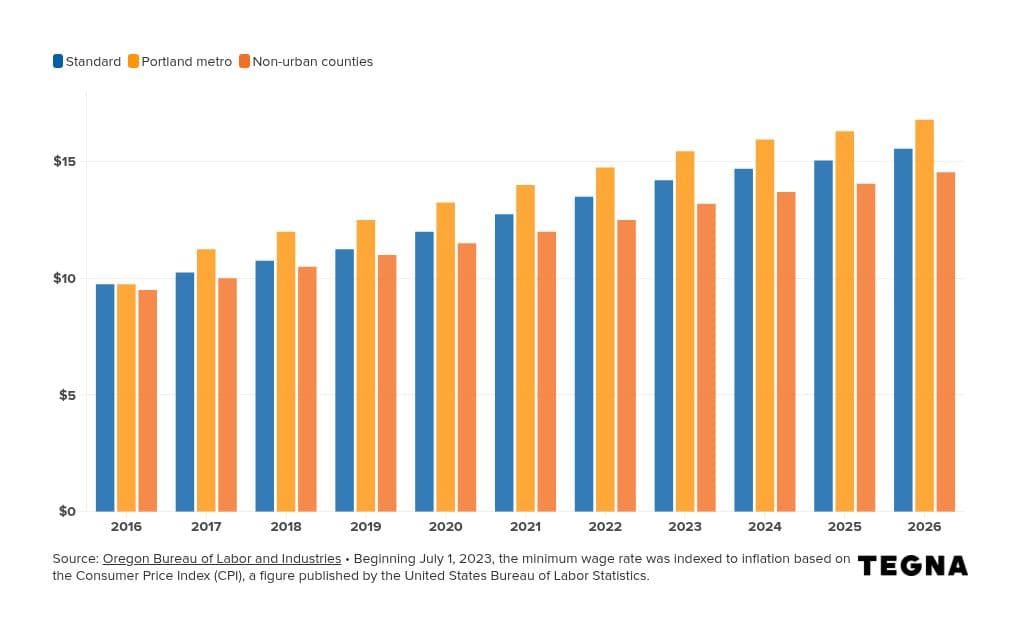
The franchise model is the reason workers can have very different experiences from one McDonald’s to another, even in the same city. Pay rates can differ because franchisees set wages within their own business constraints. Benefits can differ because some operators choose richer packages while others do the minimum required by law or company policy. Scheduling can differ because labor decisions are often made locally, based on staffing levels, sales, and the owner’s tolerance for overtime or extra hours.
That is also why workers need to ask a simple but crucial question when they are hired or transferred: who is the legal employer? The answer affects which HR system handles leave requests, who hears discipline appeals, and whether a policy came from McDonald’s corporate standards or from a local owner’s playbook. A restaurant with the same golden arches can still have a different payroll vendor, different attendance rules, and different processes for complaints or disputes.
Why the legal fights keep coming back
The franchise structure has repeatedly become a labor issue because it raises the question of who really controls McDonald’s workers. In 2014, the National Labor Relations Board’s Office of the General Counsel issued consolidated complaints against McDonald’s USA, LLC and certain franchisees as joint employers. At that point, the NLRB said 291 charges had been filed since November 2012, 86 were found meritorious, 11 were resolved, and 71 were still under investigation. The complaints were tied to allegations of retaliation and other coercive conduct connected to workers’ protests over wages and working conditions.
That fight mattered far beyond the legal papers. If McDonald’s corporate headquarters is treated as a joint employer, it can be pulled into disputes over discipline, scheduling, and labor organizing even when a franchisee is the one running the restaurant. If not, workers may be left dealing with a local owner whose independence makes accountability harder to pin down. That is why the joint-employer debate keeps resurfacing: it is not abstract labor law, it is about who can actually fix the problem when a shift goes sideways.
What workers should watch for
The fastest way to make the franchise model work in your favor is to identify the decision-maker early. Before you assume a complaint belongs at corporate, check whether your restaurant is company-operated or franchise-run. If you need help with a paycheck issue, schedule dispute, discipline write-up, or benefit question, start with the person or office that actually controls payroll and HR for your location.
- who hired you and issued your offer letter
- whose payroll and benefits system you use
- whether the manager reports to a franchise owner or to McDonald’s corporate
- whether policies are posted as local store rules or systemwide standards
A few practical clues usually matter most:
That is the real lesson hidden inside McDonald’s scale. The company may look unified from the street, but the workplace underneath is split between corporate control and local ownership. For workers, that split determines not just how the restaurant runs, but who has the power to answer when pay, benefits, scheduling, or discipline become a problem.
This article was produced by Prism’s automated news system from verified source data, official records, and press releases, then run through automated quality and moderation checks before publishing. The system is built and supervised by the people who set the standards it runs under. Read our full AI policy.
Did this article answer your question?