McDonald’s says inclusion drives better teamwork, service and retention
McDonald’s says inclusion should shape who stays, who gets coached and how crews perform under pressure. Its own numbers show the policy is now tied to pay, promotion, suppliers and retention.
Inclusion has to work on a rush
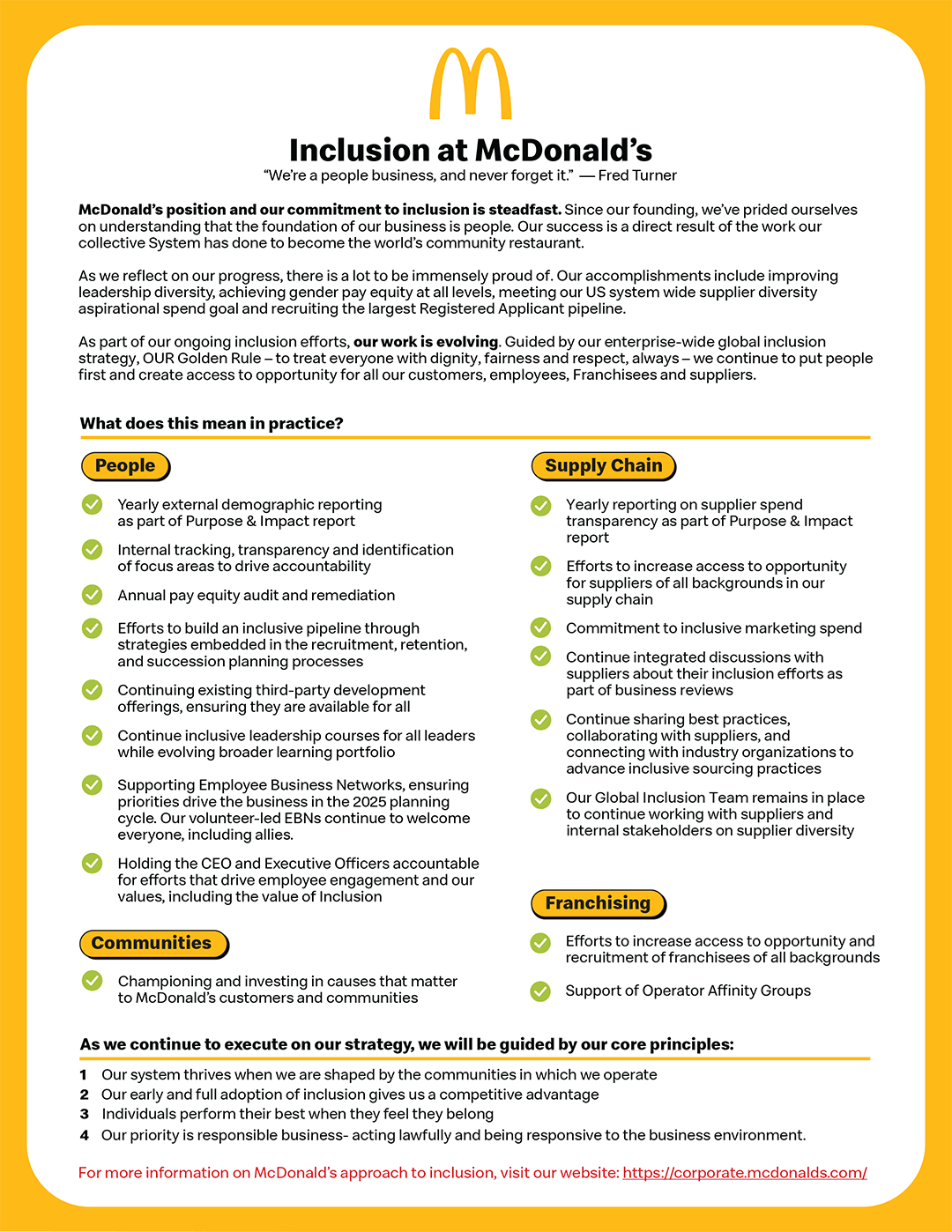
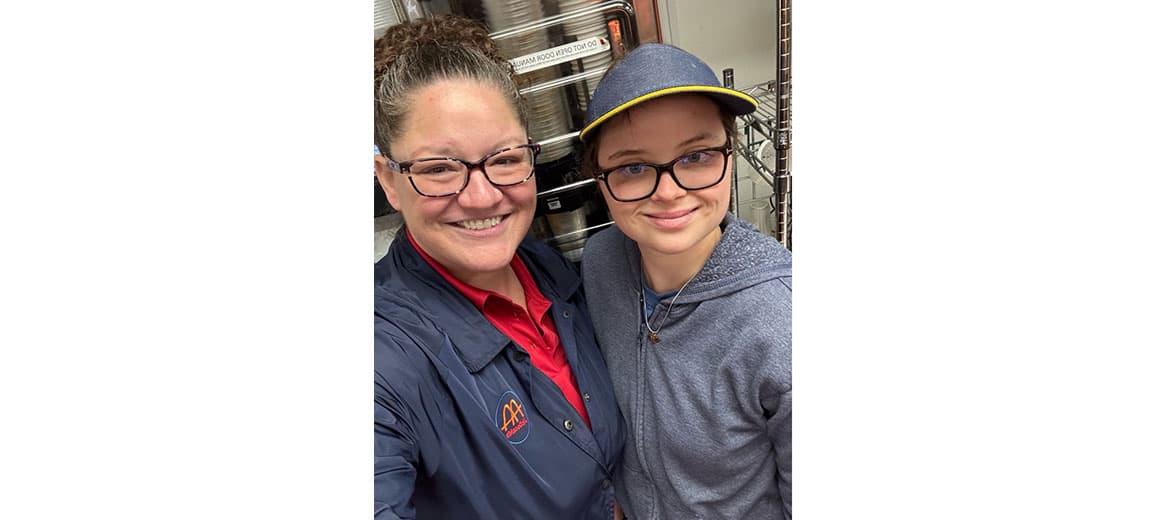
A crew member who feels ignored during training, a shift lead who cannot resolve conflict without turning the line toxic, and a manager who only coaches one kind of personality are the real tests of McDonald’s inclusion pitch. The company’s message, built around its OUR Golden Rule, says the standard is simple: treating everyone with dignity, fairness, and respect, always.
That sounds lofty until you put it next to a lunch rush, a callout-heavy week or a new hire who is still learning how to move between fryer, drive-thru and front counter. McDonald’s says inclusion is supposed to shape hiring, learning and the work environment, which means it reaches far beyond posters in the break room. If the Golden Rule is real, it should show up in scheduling, coaching, conflict handling and the way managers adapt to different learning styles.
What McDonald’s says the Golden Rule is supposed to do
McDonald’s describes inclusion as part of its heritage and a competitive advantage, not a side project. The company says that every time someone walks through its doors, rolls into the drive-thru, sees its commercials or experiences the brand, it has a chance to build community and foster inclusion. In other words, the message is not just aimed at customers, it is meant to shape the entire restaurant system.
For workers, the practical meaning is straightforward. A restaurant that respects different ages, backgrounds and languages is more likely to keep communication flowing during a busy shift, which reduces mistakes and frustration. A crew that feels excluded is more likely to churn, and that turns into more hiring, more retraining and more inconsistency for customers.
McDonald’s also says managers should be trained to adapt to team members’ needs and learning styles. That matters in a chain where some workers need fast, hands-on coaching, others learn best by watching, and many are balancing school, family obligations or second jobs. Inclusion, in that sense, is not abstract culture talk. It is a management skill.
The numbers behind the message
McDonald’s made the case more publicly in a January 6, 2025 note to owner/operators, employees and suppliers worldwide. In that note, the company said inclusion remained one of its core values, said it had opened its doors to hundreds of millions of customers and two million crew people in 2024, and said it wanted to highlight accomplishments embedding inclusion throughout the system.
The company also said it had achieved strong leadership diversity with over 30% of its U.S. leaders coming from underrepresented groups. It said it had achieved gender pay equity at all levels and in every market, according to its 2024 Purpose and Impact Report. Those are the kind of systemwide claims that matter because McDonald’s does not operate like a single workplace. It runs through a mix of corporate staff, company-owned restaurants, franchisees and suppliers, which means inclusion has to reach across labor, ownership and procurement if it is going to mean anything operationally.
Its 2023-2024 diversity snapshot gives a fuller picture. McDonald’s said 44% of corporate staff at senior director level and above globally were women, while 33% of U.S. corporate staff at that level were from underrepresented groups. At company-owned and operated restaurants, 62% of managers globally were women, and 68% of managers in the U.S. were women. The company also said 66% of U.S. managers at company-owned restaurants were from underrepresented groups.
The franchise side matters too. McDonald’s said 30% of U.S. franchisees were women, and 33% identified as Asian, Black or Hispanic. On the supplier side, U.S. systemwide spend with diverse-owned suppliers reached 26.2%, which hit the company’s aspirational supplier goal for the third year in a row. Those figures show why McDonald’s treats inclusion as a business-system issue, not only a workplace slogan.
How the system was built
The current Golden Rule language did not appear out of nowhere. On April 14, 2021, McDonald’s announced required Global Brand Standards for safe, respectful and inclusive workplaces. That mattered because it turned the company’s expectations into a systemwide requirement, not just a local preference from one franchise or one district manager.
McDonald’s has also tied inclusion to opportunity programs beyond the restaurant floor. It launched Youth Opportunity in 2018 with a goal of reducing barriers to employment for two million young people by 2025 through job-readiness training, work opportunities and workplace development. The company later said it reached 2.2 million young people, beating the target two years early.
It updated its community impact strategy in 2021 and launched an internal philanthropy platform in 2022. McDonald’s says that inclusion connects to community outcomes through family support, crisis response and opportunity employment. For employees, that wider framing matters because the company is signaling that access to work is only the first step. Staying, learning and advancing are part of the promise too.
What inclusion looks like on a McDonald’s shift
On paper, inclusion can sound like a corporate values statement. On a shift, it looks more concrete: who gets the better hours, who gets trained on the register versus stuck on fries, who feels safe raising a problem and who gets brushed off. That is where the Golden Rule either becomes muscle memory or collapses into decoration.
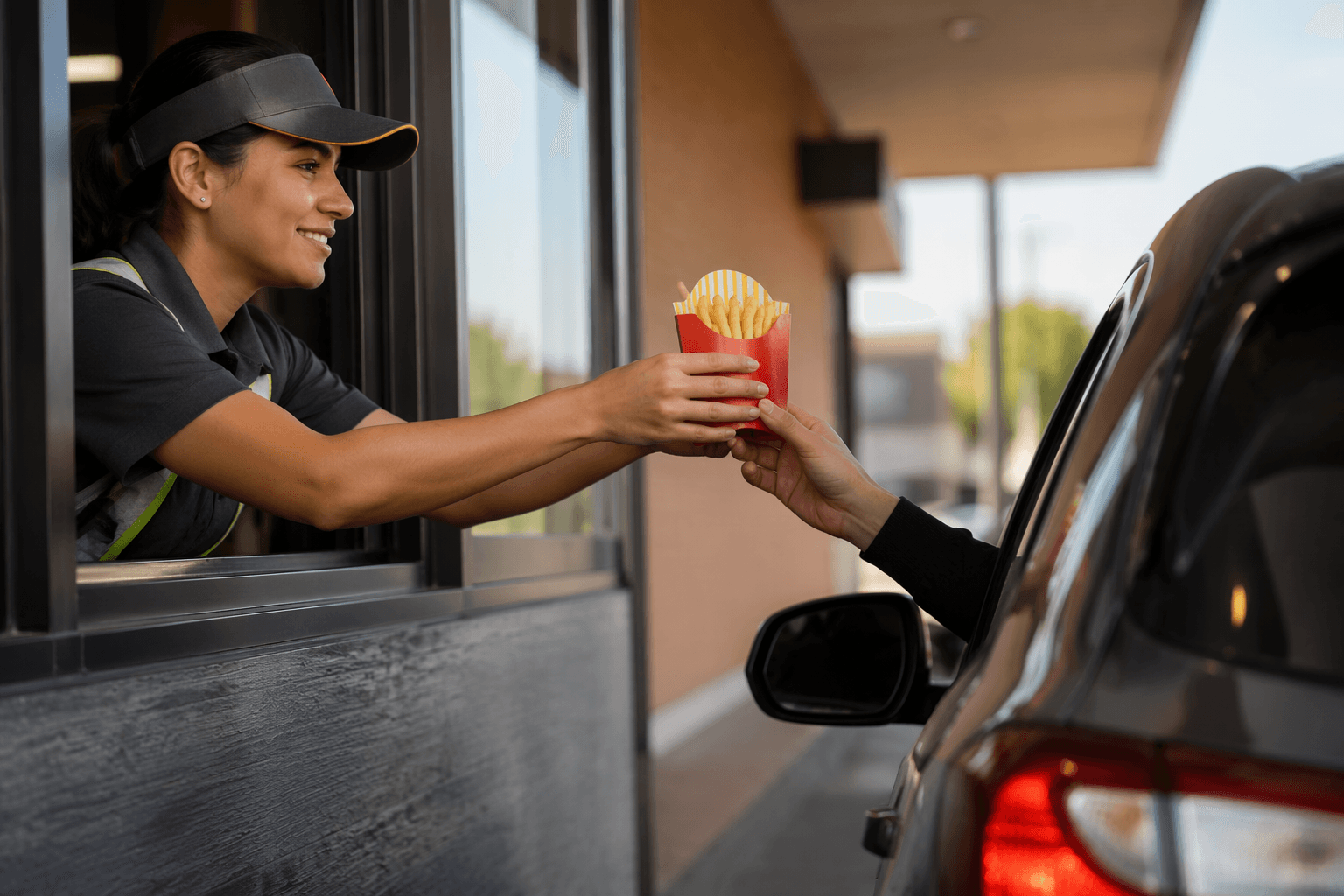
For managers, inclusion means more than being polite. It means coaching in a way that fits different workers, handling conflict before it spreads through the crew and making sure new hires understand expectations without being embarrassed in front of customers. For crew members, it means a restaurant where language barriers, age gaps and different work styles do not become excuses for exclusion.
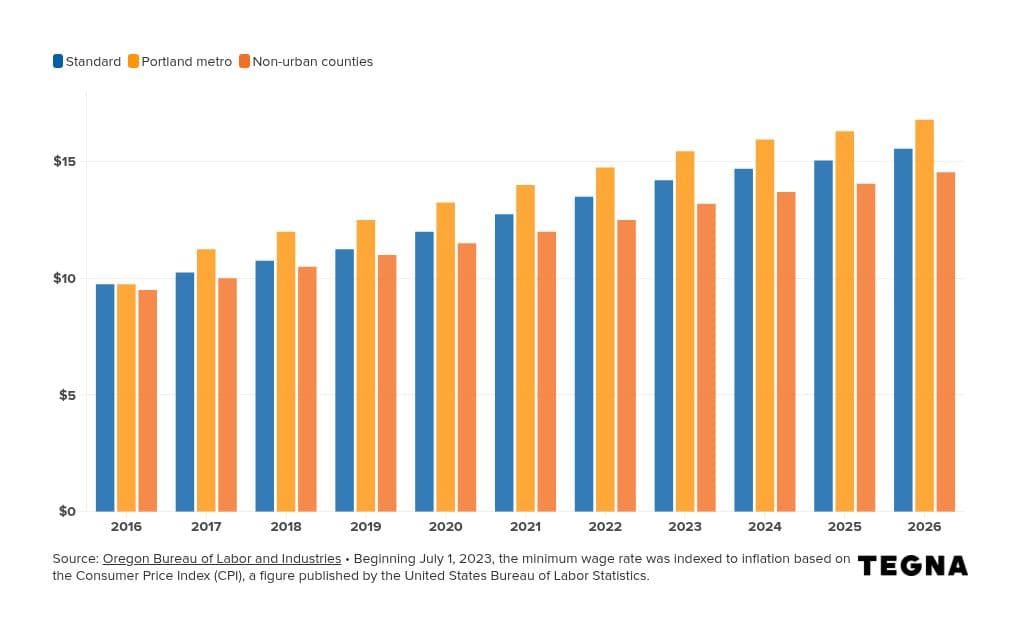
The pressure on that system is real. McDonald’s is operating in a labor market still shaped by Fight for $15 campaigns, minimum wage legislation, tighter labor expectations and the growing use of kiosks, automation and AI-assisted ordering. When restaurants are leaner and work gets more compressed, the value of keeping experienced crew rises. Inclusion becomes one of the few tools that can help a manager hold a team together long enough for training to stick and service to stay steady.
Why this matters to franchisees and the broader system
Because McDonald’s runs through franchisees as well as corporate-owned restaurants, the inclusion agenda is only as strong as the local operator who has to carry it out. Franchise owners are balancing labor costs, turnover and service speed, while corporate sets standards that are meant to apply across the brand. That tension is where inclusion can get tested, especially when staffing is short and every position matters.
The company’s own data suggests it understands that. It is not only talking about employees, but also owners, suppliers and the communities that move through the brand every day. With over two million employees and crew in its 2024 annual report, and global systemwide sales exceeding $130 billion in 2024, McDonald’s has the scale to make inclusion either a real operating advantage or a large-scale inconsistency.
At that size, inclusion is not a slogan the system can afford to treat lightly. It is a staffing strategy, a customer service tool and a retention test all at once. If it shows up in scheduling, coaching, pay and daily respect, it can help a restaurant run smoother. If it does not, the Golden Rule stays on the wall while the crew turns over around it.
This article was produced by Prism’s automated news system from verified source data, official records, and press releases, then run through automated quality and moderation checks before publishing. The system is built and supervised by the people who set the standards it runs under. Read our full AI policy.
Did this article answer your question?