McDonald's franchise model gives local operators wide control over stores
Your store may look standard, but pay, schedules, complaints, and promotions often run through the local franchisee. Corporate sets the guardrails; the operator decides the day-to-day.
If you work at McDonald’s, the first thing to understand is that the logo on the roof does not tell you who controls your shift. McDonald’s says more than 80 percent of its restaurants worldwide and nearly 90 percent in the United States are owned and operated by independent franchisees, which means the people running your store often have far more influence over daily life than the corporate brand does. That split shapes who sets pay, who makes the schedule, who hears complaints, and why one restaurant can feel very different from the one a few blocks away.
Corporate sets the frame, local operators run the store
McDonald’s describes itself as a system built from the company, franchisees, suppliers, crew, farmers, and other partners. In its 2024 annual report, the company said it had more than two million employees and crew, while global systemwide sales exceeded $130 billion in 2024. It also said that approximately 95 percent of its 43,477 restaurants at year-end 2024 were franchised, which is the clearest signal of where power lives in the system: not in a single headquarters store plan, but in thousands of local businesses.
That matters because a franchise model pushes a lot of operational authority down to the restaurant level. Pay practices, staffing choices, local community involvement, promotions, and day-to-day routines can vary from one McDonald’s to another, even when the menu board and uniforms look the same. For workers, that means your manager’s style, the franchisee’s business priorities, and the local labor market can shape your experience as much as any corporate policy.
What that means for pay, schedules, and complaints
If you are trying to figure out where a decision came from, start by separating three layers. Corporate sets the systemwide standards. Franchisees run most restaurants and make many local business decisions. Suppliers keep the supply chain moving, from ingredients to equipment. That division helps explain why one store may approve a schedule change quickly while another drags its feet, or why one operator is willing to offer a wage bump while another waits for labor pressure or a local minimum wage law to force the issue.
This is also where tension shows up between the corporate need for consistency and the franchisee need for flexibility. McDonald’s says markets and countries have latitude on menu, marketing, community involvement, and local business management, and that local room to maneuver carries down to the store level. For employees, that can mean complaints are handled first by the franchisee’s management chain, not by a distant corporate office, unless the issue involves a global policy, brand standard, or corporate reporting channel.
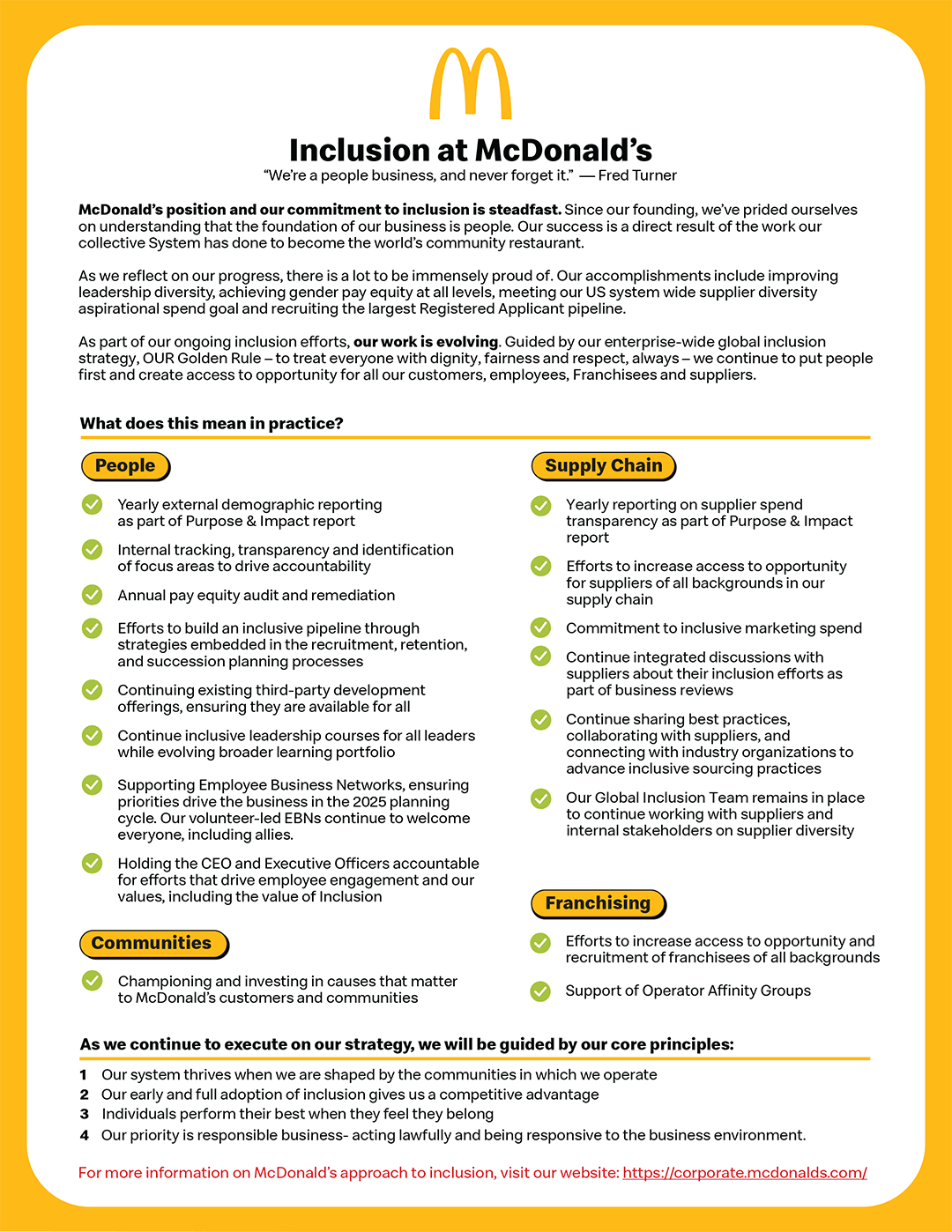
The company says its global brand standards apply to all restaurants, whether company-owned or franchised, including employee health and safety, prevention of workplace violence and harassment, and listening through restaurant employee feedback. That is the corporate line that matters most to workers: headquarters can set the guardrails, but the franchisee still determines how hard those guardrails are enforced day to day.
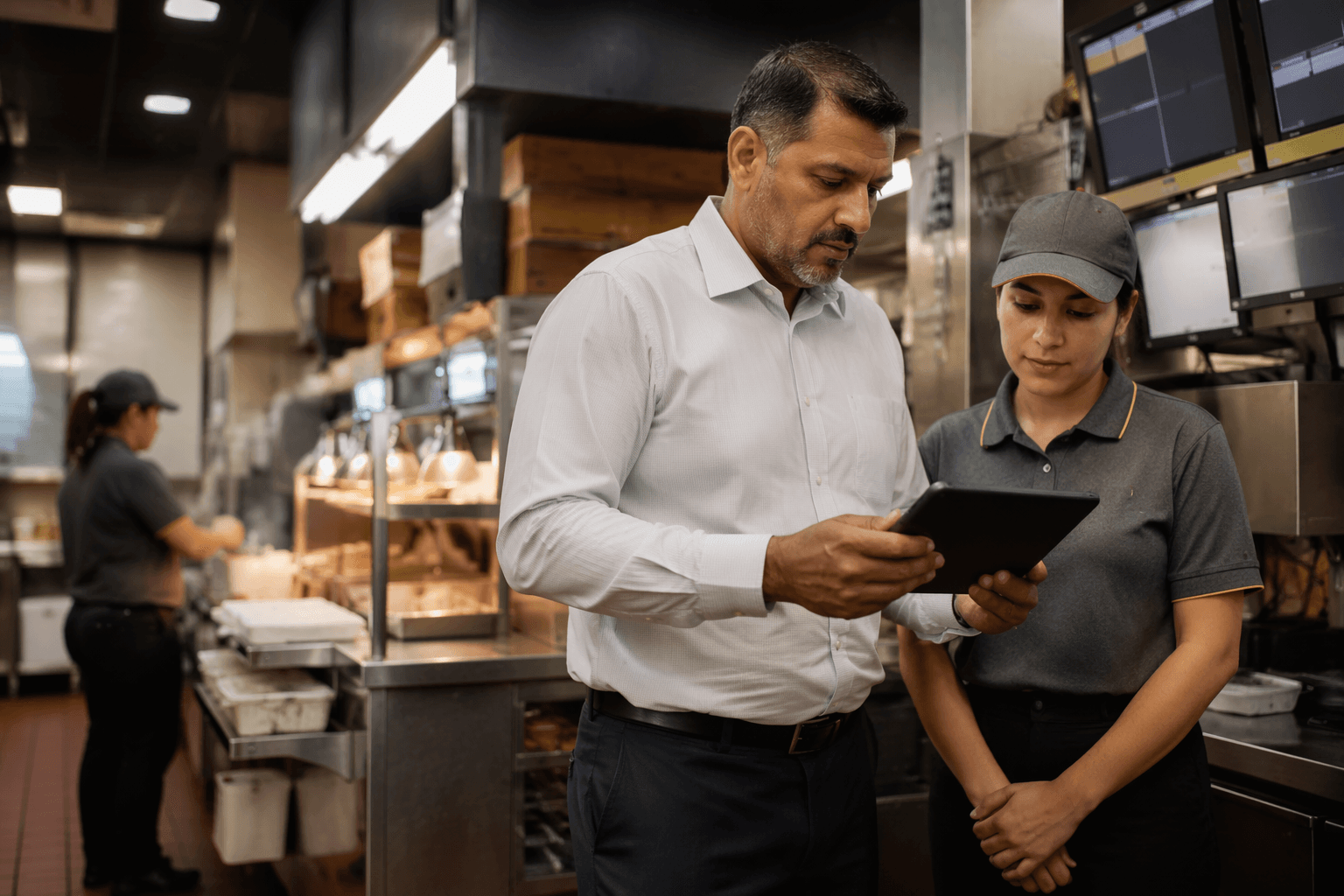
Why two McDonald’s stores can feel completely different
McDonald’s often describes its restaurants as a collection of small businesses, and that phrase is not just branding. Franchisees often live in the communities they serve, and the company says they create local jobs and support local charities. In practice, that means a store in one neighborhood may have a different management culture, scheduling pattern, or hiring pipeline than a store across town, even if both are serving the same fries and burgers.
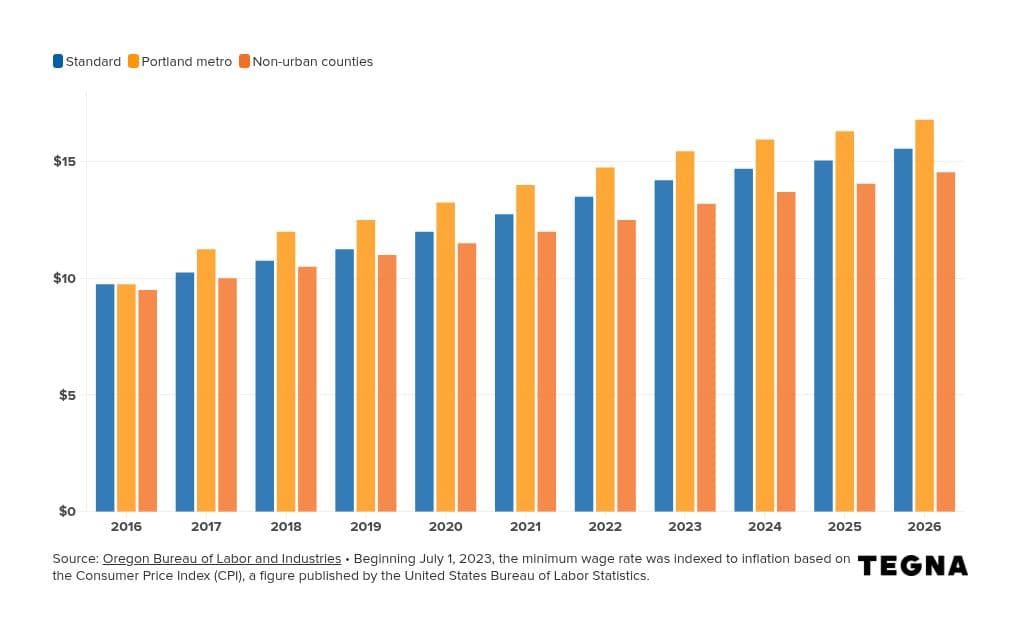
That local control also explains why workers sometimes see a faster response to an operational problem than to a wage problem. A franchisee can change staffing, shift coverage, or restaurant routines relatively quickly if the business needs it. Wage decisions are more sensitive, because they hit the operator’s labor costs immediately. For workers shaped by years of Fight for $15 campaigns and minimum wage fights, that distinction is important: the pressure may be national, but the payroll decision is often local.
The supply chain is part of the workplace story
McDonald’s does not describe the business as restaurants alone. It says its system includes a strong network of global suppliers, and in 2026 the company said it was strengthening its supply chain as part of a broader effort to protect a consistent customer experience over the long term. That matters on the floor because a restaurant can only run cleanly if ingredients, packaging, and equipment show up on time and in spec.
The company also says U.S.-based sourcing supports farmers, suppliers, and small businesses across dozens of states. For crew and managers, that means the chain behind the counter is bigger than the counter itself. When supply is tight, a store feels it in labor pressure, product availability, and the pace of service. When supply is stable, the restaurant has more room to focus on throughput, training, and retention.
A franchise system built from the start
McDonald’s current model is not an accident of scale. The company says Ray Kroc became its franchise agent in 1954 and opened the first McDonald’s east of the Mississippi River on April 15, 1955, in Des Plaines, Illinois. McDonald’s later acquired the rights to the brothers’ company in 1961 for $2.7 million. The franchising engine was there from the beginning, which helps explain why the company still treats local operators as the backbone of the brand.
That history also explains the push and pull workers feel today. Corporate wants a predictable system that can scale across thousands of restaurants. Franchisees want enough independence to manage labor costs, local hiring, and customer demand in their own markets. Employees sit in the middle, where those two goals meet in real life, on a 6 a.m. opening shift or a late-night close.
Where workers can actually see opportunity
McDonald’s also uses its franchise system to market opportunity, especially through education support. Archways to Opportunity was founded in 2015, and McDonald’s says more than 90,000 crew had taken steps toward their goals through the program over its first decade. The company also said it had provided more than $25.8 million in tuition assistance to restaurant employees across the United States.
That is the part of the model workers should watch closely. Career movement at McDonald’s can come from the franchisee’s willingness to promote internally, the restaurant’s staffing needs, or a companywide program that makes school more affordable. A strong local operator can create rapid advancement; a weak one can stall it. The same system that gives franchisees wide control can also create real openings for crew who find the right store, the right manager, and the right moment.
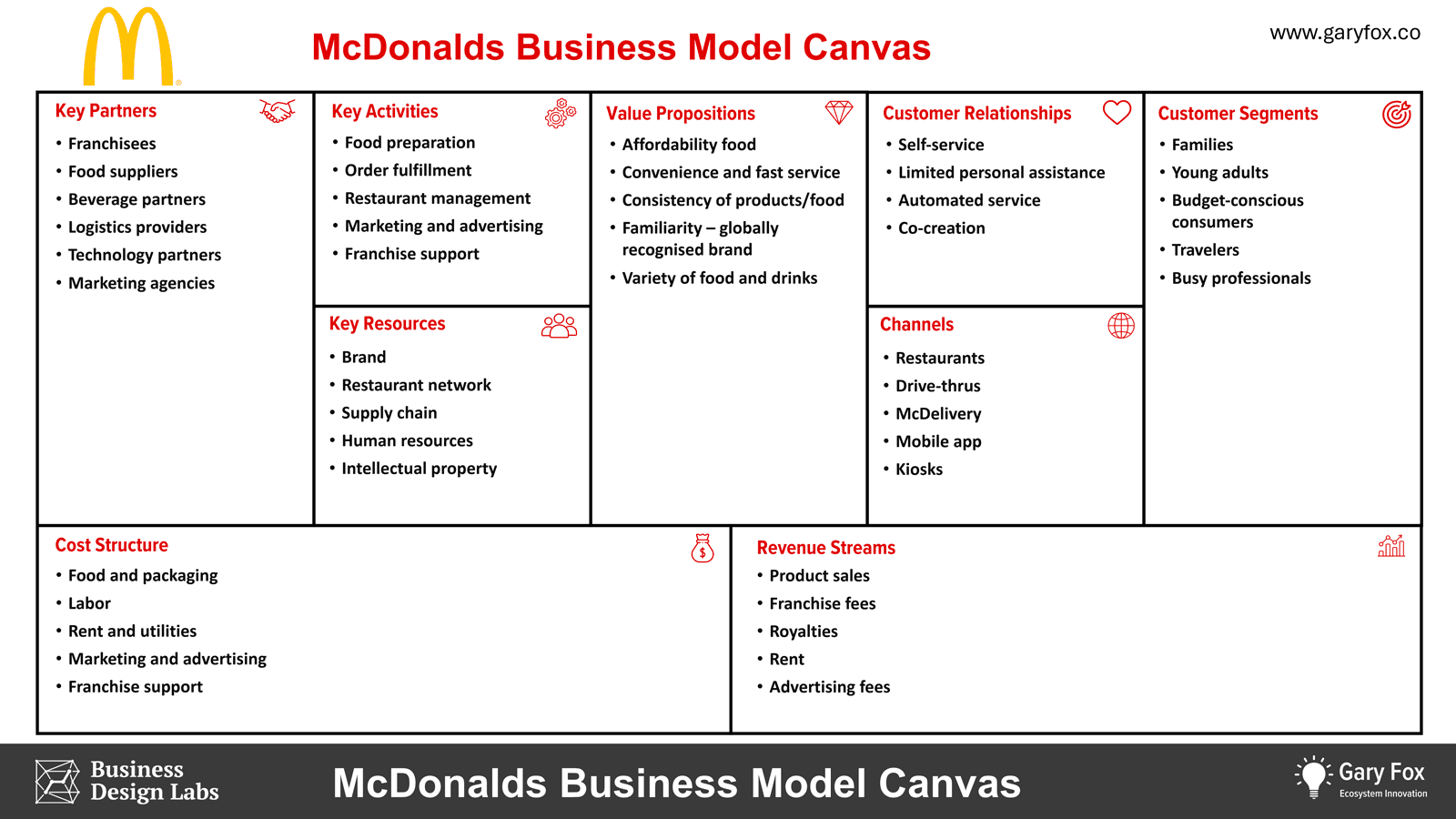
McDonald’s says its business model is designed to generate stable and predictable revenue largely through franchisee sales and resulting cash flow streams. For workers, that means the company’s financial logic is tied to how well local restaurants perform, not just to what corporate announces. The result is a brand that can look uniform from the parking lot, but inside the building, much of what matters most still depends on who is running that particular store.
This article was produced by Prism’s automated news system from verified source data, official records, and press releases, then run through automated quality and moderation checks before publishing. The system is built and supervised by the people who set the standards it runs under. Read our full AI policy.
Did this article answer your question?