McDonald’s franchising model may have created more millionaires than any company
McDonald’s franchise dream is real for some, but it still depends on capital, access and price-setting power, not just hard work.

Greg Flynn, chief executive of Flynn Group, helped put a fresh spotlight on an old McDonald’s question: is franchising still a real path to wealth, or just a story the company tells about itself? The latest answer is more complicated than the headline. In an AI-shaken labor market, The Economist argued that McDonald’s may have plausibly created more millionaires than any company in history, but the route from crew member to owner still runs through money, leverage and corporate approval, not inspiration alone.
Why McDonald’s keeps showing up in the millionaire debate

The case for franchising is straightforward on paper. A franchise turns operating skill into ownership, and ownership into a claim on business cash flow. The Economist’s June 4 podcast episode, “How franchising made Americans rich,” pushed that argument hard, saying franchising can look like a smart wealth-building move just as more careers are being threatened by AI. It also widened the lens beyond burgers, pointing out that the model now stretches from hotels to Pilates studios.
McDonald’s sits at the center of that story because it is both a franchise machine and a cultural reference point. The company says its franchising story began after Dick McDonald and Mac McDonald introduced the Speedee Service System in 1948, a system built for speed, standardization and repeatable labor. Ray Kroc became the brothers’ franchise agent in 1954, opened the first McDonald’s east of the Mississippi River in Des Plaines, Illinois on April 15, 1955, and then had McDonald’s acquire the rights to the brothers’ company in 1961 for $2.7 million. That origin story still matters because it shows what McDonald’s sells: a system, not just a menu.
How the money machine actually works
Today, the company is still overwhelmingly franchised. McDonald’s says that at year-end 2024, about 95% of its 43,477 restaurants were franchised. The company also says its model is designed to generate stable and predictable revenue largely from franchisee sales and the cash-flow streams that come with them. In other words, the corporation gets a durable slice of the business while franchisees carry much of the operating risk.
That structure explains why McDonald’s remains a magnet for people who want to move from labor to ownership. The company says it now has more than 36,000 restaurants in over 100 nations, which means the brand has the scale to turn a local operator into part of a global system. It also means the mythology of McDonald’s wealth is not just about one lucky operator; it is about a repeated business template that can, for the right buyer, become an asset rather than a job.
For workers inside the system, that distinction is everything. A shift leader can learn the playbook, a general manager can learn the numbers, but neither role automatically turns into equity. The McDonald’s model rewards people who can think like operators long before they ever get to think like owners. For many employees, that is why franchising sounds more attainable than a corporate ladder that tops out at management.
What it really takes to get in
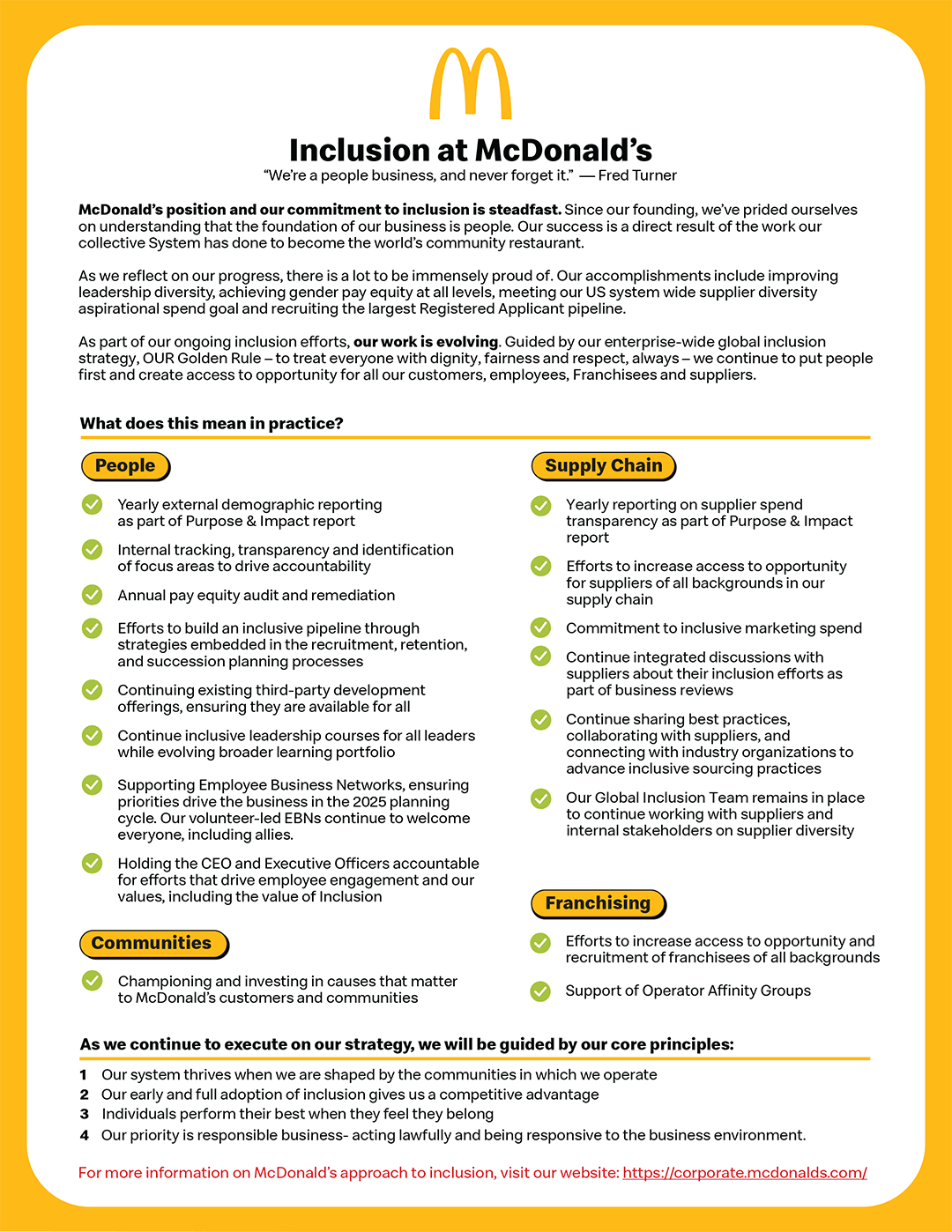
The dream has a hard financial gate in front of it. McDonald’s launched a $250 million diversity initiative in December 2021 to reduce upfront equity requirements and help underrepresented entrepreneurs become franchisees, after complaints from Black former and current franchise owners. That move is important because it confirms what many operators already know: the biggest obstacle is often not willingness or experience, but cash.
A lower equity requirement is not the same as an easy entry. It is a sign that McDonald’s recognizes how steep the buy-in can be, especially for candidates who do not already have family capital or access to lenders. The company’s support can widen the doorway, but it does not remove the reality that ownership is still an acquisition, not a reward for good performance on the line.
That matters for crew members and managers who hear franchising described as a mobility path. The most honest version of the pitch is this:
- learn the system inside out, because McDonald’s runs on standardization and tight execution
- build capital, because the company has already had to lower the upfront equity wall for some candidates
- expect the transition from operator to owner to be financial, not sentimental
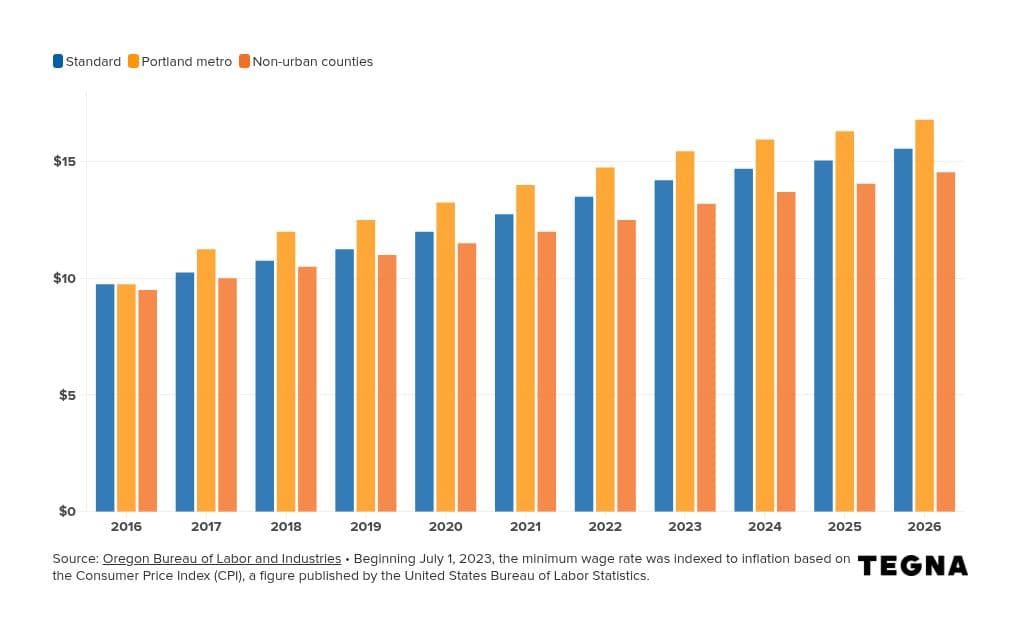
In a labor market shaped by minimum wage fights, Fight for $15 organizing and AI anxiety, franchising can look like one of the few ways to turn work into ownership. But the reality is that most people who love the idea still never get the financing, the scale or the timing to do it.
The biggest test: who gets access, and who gets power
McDonald’s has long tried to present franchise ownership as a route to local entrepreneurship and generational wealth. That message got sharper in June 2020, when CEO Chris Kempczinski said McDonald’s had “probably” created more Black millionaires than any other corporation, while also adding, “There’s still more work to do.” The comment landed in the middle of criticism over how the company had treated Black franchisees and executives, including a lawsuit filed by two senior Black executives and concerns that the number of Black franchisees had been shrinking for years.
That tension is still visible. In February 2026, CNBC reported friction between McDonald’s and some franchisees over the company’s value push, including an independent operators’ group adopting a Franchisee Bill of Rights that asserts owners’ rights to set prices without fear of retaliation. That fight gets to the heart of the franchise bargain: owners buy the chance to run a business, but they do so inside a system where corporate priorities can still squeeze local judgment.
So is McDonald’s franchising model a credible mobility path? Yes, but only for a narrow slice of people who can survive the capital barrier and the politics that come with it. The company has built one of the most durable ownership ladders in American business, but the ladder is not evenly placed, and it is not equally climbable. For employees looking at the next step, the real lesson is not that McDonald’s hands out millionaire status. It is that, for a few who can get in and stay in, the system can still turn restaurant know-how into ownership in a way very few employers ever have.
This article was produced by Prism’s automated news system from verified source data, official records, and press releases, then run through automated quality and moderation checks before publishing. The system is built and supervised by the people who set the standards it runs under. Read our full AI policy.
Did this article answer your question?