McDonald's gains momentum by aligning value, marketing and menu innovation
McDonald’s is pulling traffic with value, promos and menu changes, but every win on paper means more coordination and pressure on the grill, line and drive-thru.
Momentum built on three levers
McDonald’s is entering 2026 with a simpler message than the one crews were hearing a year ago: value, marketing and menu innovation are no longer separate bets, they are one operating system. That matters on the floor because the traffic lift does not come from a single blockbuster item. It comes from a steady mix of cheaper offers, louder promotion and enough menu change to keep customers coming back.
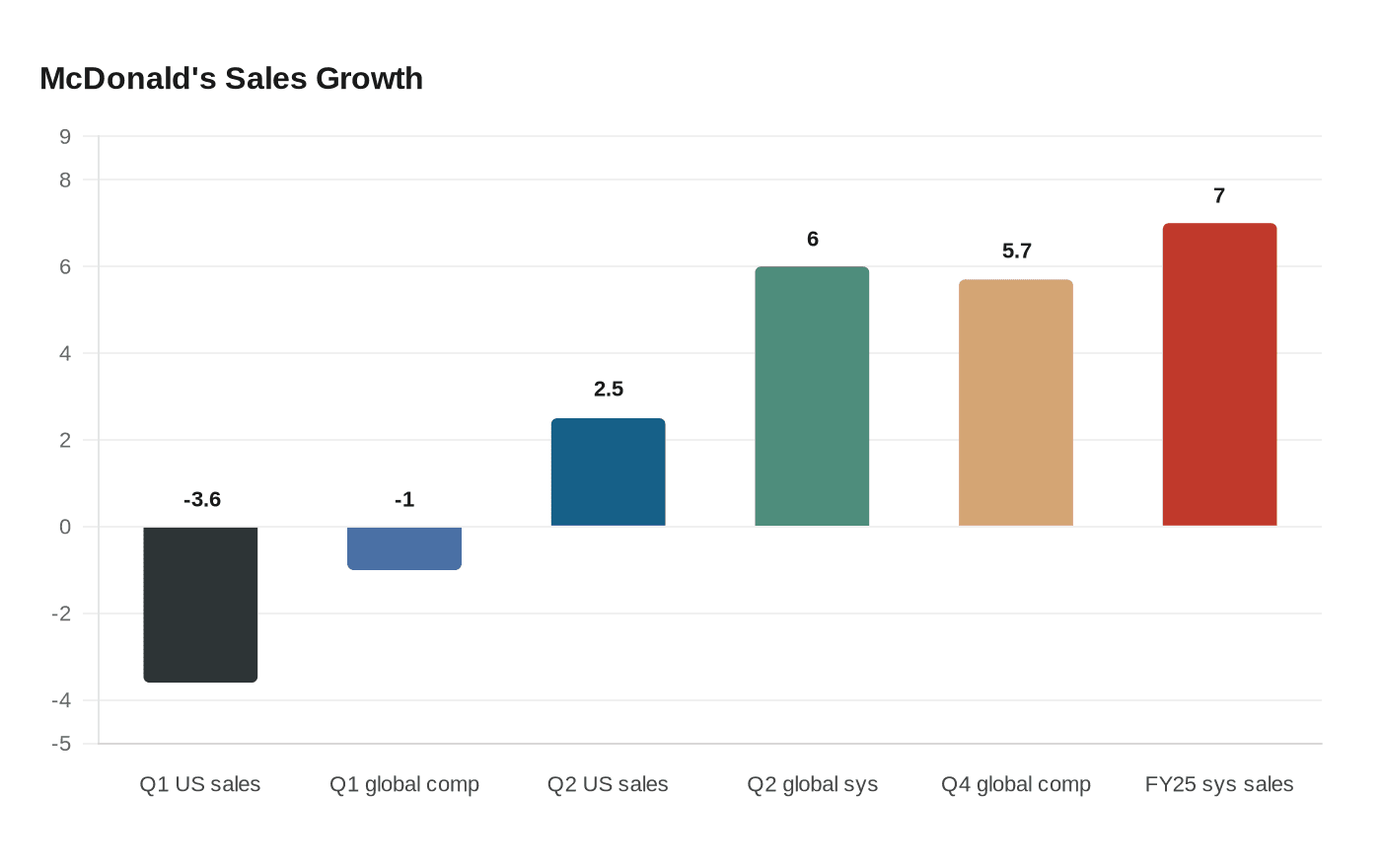
The sales numbers show why the company is leaning into that formula. McDonald’s finished 2025 with fourth-quarter global comparable sales up 5.7% and full-year global Systemwide sales up 7% to more than $139 billion. Loyalty remained a major engine inside that growth story, with loyalty sales approaching $37 billion across 70 loyalty markets and 90-day active loyalty users rising 19% to nearly 210 million by year-end. For restaurant teams, that means the business is increasingly shaped by app-driven demand as much as by the walk-in line.
What the strategy looks like on a shift
On paper, “value” sounds like a pricing story. In a restaurant, it changes the rhythm of the whole day. Lower-priced offers bring in more price-sensitive guests, which can improve traffic but also tighten the margin for error when the line gets busy. Promotions push demand into specific dayparts and create spikes around featured items. Menu innovation adds another layer because new products often require new prep habits, more station awareness and sharper handoffs.
That is why this current run of momentum is as much about execution as it is about demand. A value meal, a celebrity-backed campaign and a new product launch only work if the crew can keep orders accurate, food moving and stations stocked. The company’s recent results suggest those pieces are starting to line up, but the front line is where the pressure lands first.
Why McValue changed the workflow
The biggest shift came with McValue, which McDonald’s launched nationwide on January 7, 2025 as its first national value offering since 2018. The platform bundled meal deals, buy-one-add-one-for-$1 offers, app exclusives and local promotions. It was not just a price cut. It was a structured attempt to give customers multiple entry points while keeping the brand’s message consistent.
McDonald’s also put real marketing weight behind it. John Cena became the McValue ambassador, and the company said it would spend more than $3 million in the first few weeks of 2025 promoting the menu with 16 entertainment and lifestyle brand partners. That kind of promotion can be good for traffic, but it can also make a normal lunch rush behave like a mini event. Managers have to prepare crews for surges that are tied to a promotion window rather than a predictable lunch pattern.
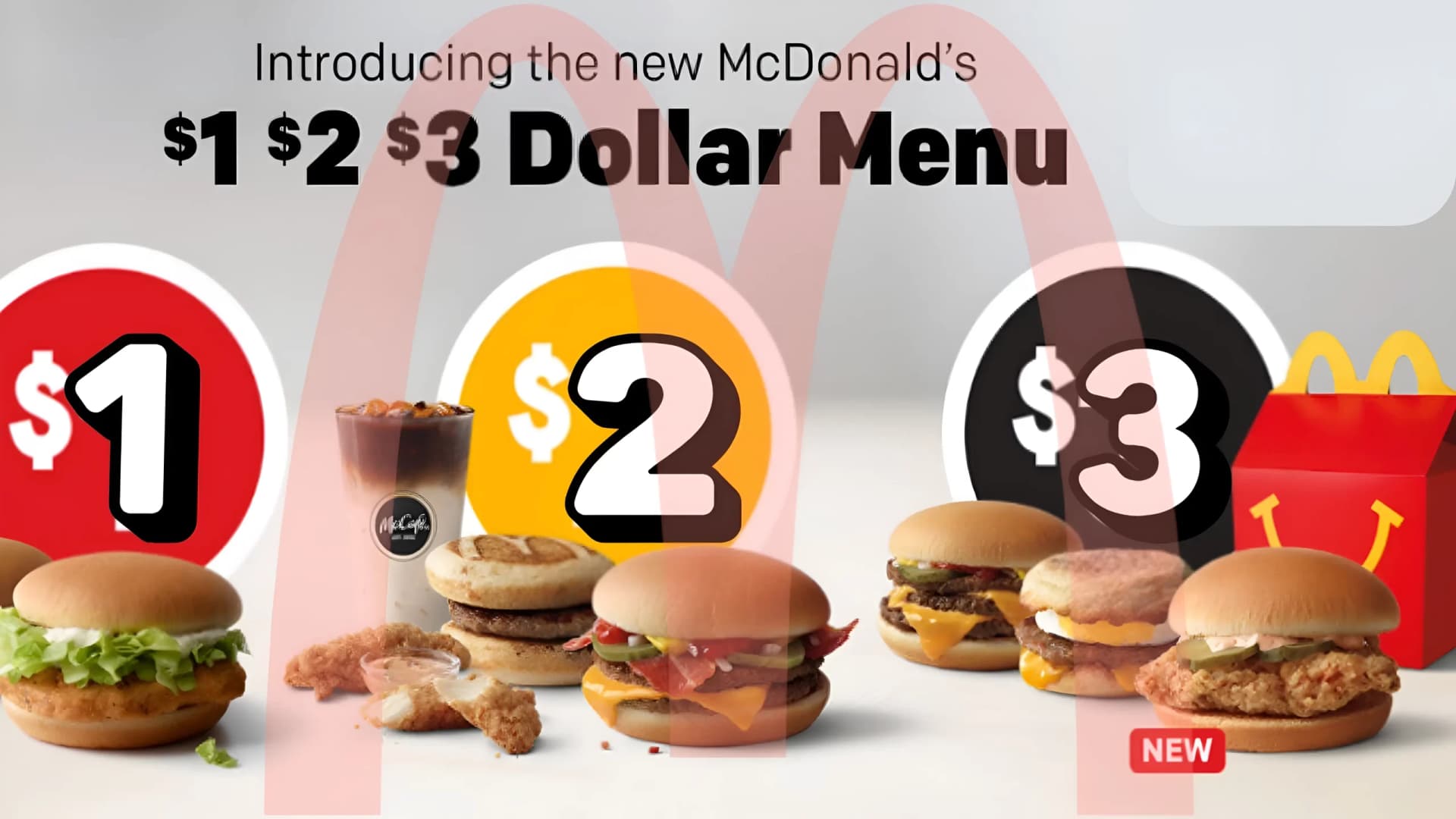
In 2026, the company added another layer with an Under $3 Menu and a $4 Breakfast Meal Deal. That tells workers two things at once: the value push is still central, and the menu will keep moving. For franchisees, the upside is clearer demand. For crews, the tradeoff is more change to absorb with the same kitchen footprint and the same clock.
The sales rebound came after a rougher stretch
The current momentum did not appear out of nowhere. McDonald’s said U.S. same-store sales fell 3.6% in the first quarter of 2025, while global comparable sales slipped 1.0%. That was the kind of traffic weakness that forces a company to make a choice: accept a slow patch, or push harder on price, promotion and product.
By the second quarter, the picture had changed. U.S. comparable sales turned positive, rising 2.5%, and McDonald’s said its 6% global Systemwide sales growth was a testament to “compelling value, standout marketing, and menu innovation.” That sequence matters for workers because it shows the company was not just talking about a strategy in the abstract. It was using the strategy to reverse a real traffic problem.
There was still consumer caution in the background, especially among lower-income diners. That is where the value message becomes more than a slogan. It becomes a tool for getting people back through the doors when every dollar matters and competitors are fighting for the same guest.
Menu innovation that operators can actually live with
Not every new item carries the same burden. Franchisees were far more comfortable with McCrispy Strips than with novelty for novelty’s sake. BTIG analyst Peter Saleh said franchisee sentiment had turned “very bullish” on McCrispy Strips and optimistic about Snack Wraps returning, in part because those items lean on familiarity and consumer demand rather than forcing restaurants to learn an entirely new concept from scratch.
That distinction matters on a line cook’s shift. Familiar items are easier to absorb into an already crowded workflow. A new platform that asks crews to learn a new build, a new holding pattern or a new order sequence is harder to execute during rush periods. McDonald’s said McCrispy Strips would be available nationwide by May 4, 2025, and later confirmed the item as a permanent menu addition. QSR noted that this was the first permanent U.S. menu release since 2021, a signal that innovation was being introduced with more caution than in some earlier cycles.
For managers, the lesson is straightforward: the best menu innovation is the kind that can be repeated cleanly at lunch, in the drive-thru and during late-night without throwing the whole kitchen off balance.
Franchise pressure, trust and the shadow of 2024
The company’s value push also sits inside a larger franchise reality. In November 2024, McDonald’s said it would invest more than $100 million to accelerate recovery after the E. coli outbreak, including $65 million for affected franchisees. That backdrop still matters because traffic problems are never just about one quarter’s sales. They are tied to customer trust, local execution and how much strain operators can absorb before service slips.
That is part of why the 2025 value strategy felt more integrated than a normal promo cycle. McDonald’s was not simply trying to sell more burgers. It was trying to rebuild frequency, reassure operators and show customers that the brand could still deliver both value and consistency.
What workers feel when the strategy works
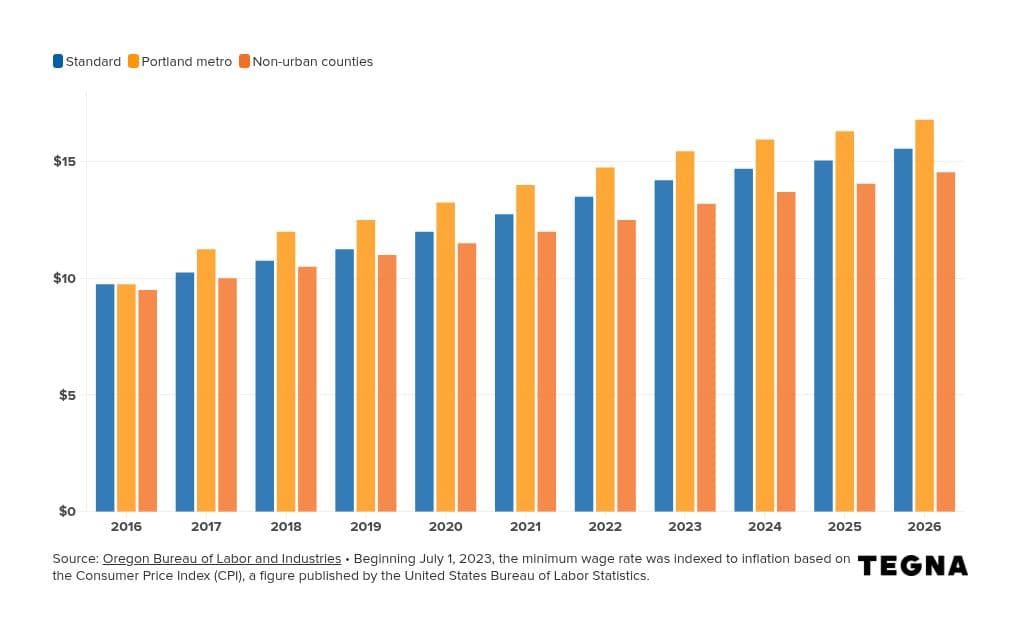
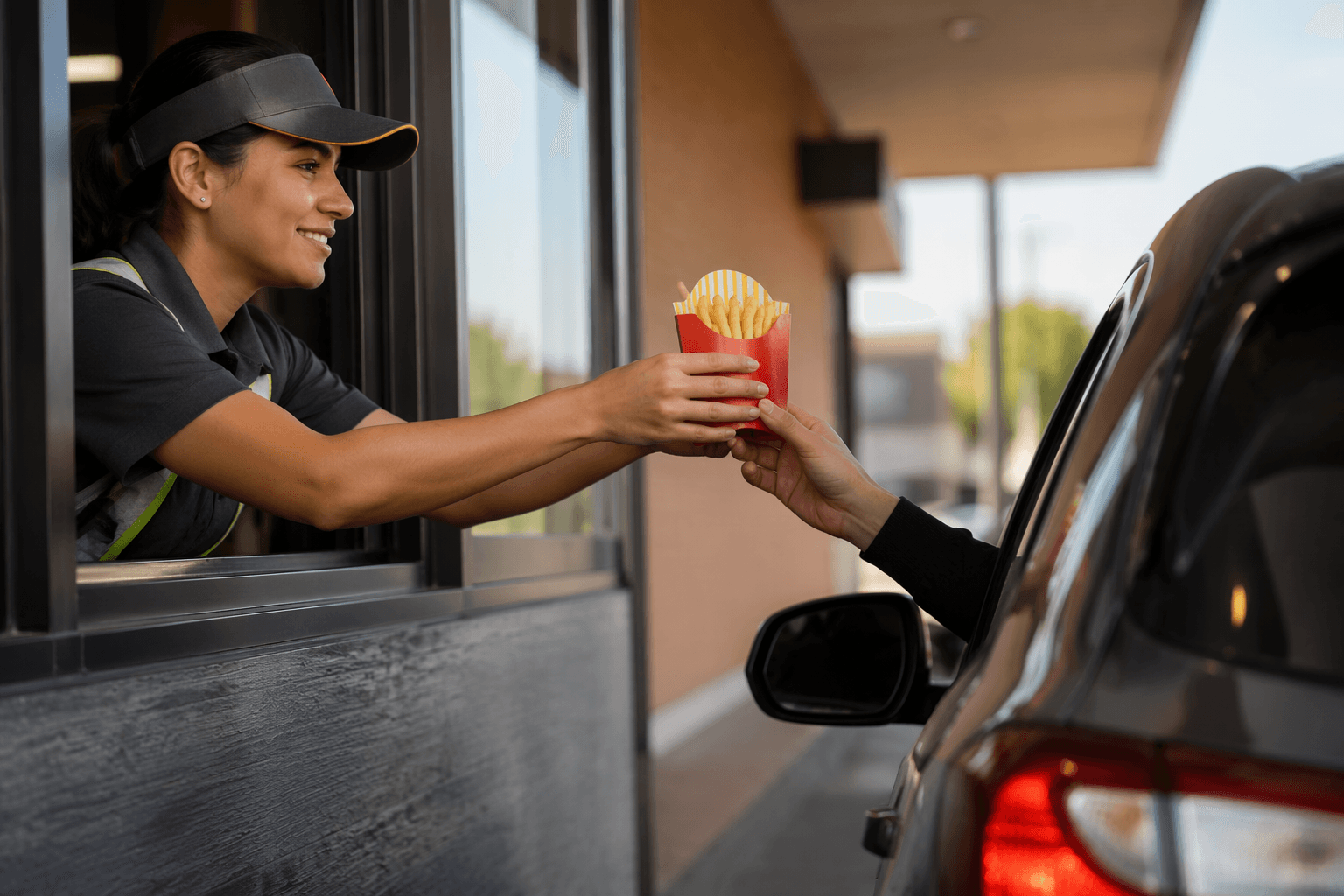
For crew members and shift managers, this kind of momentum can be both a relief and a burden. More traffic means more hours to fill and more chances to hit labor targets, but it also means more pressure to keep throughput up when app orders, value deals and menu launches collide. In a labor environment shaped by Fight for $15, higher wage expectations and constant automation talk, McDonald’s still relies on people to make the system work. The company can market efficiency all it wants, but the actual burden of coordination falls on the crew.
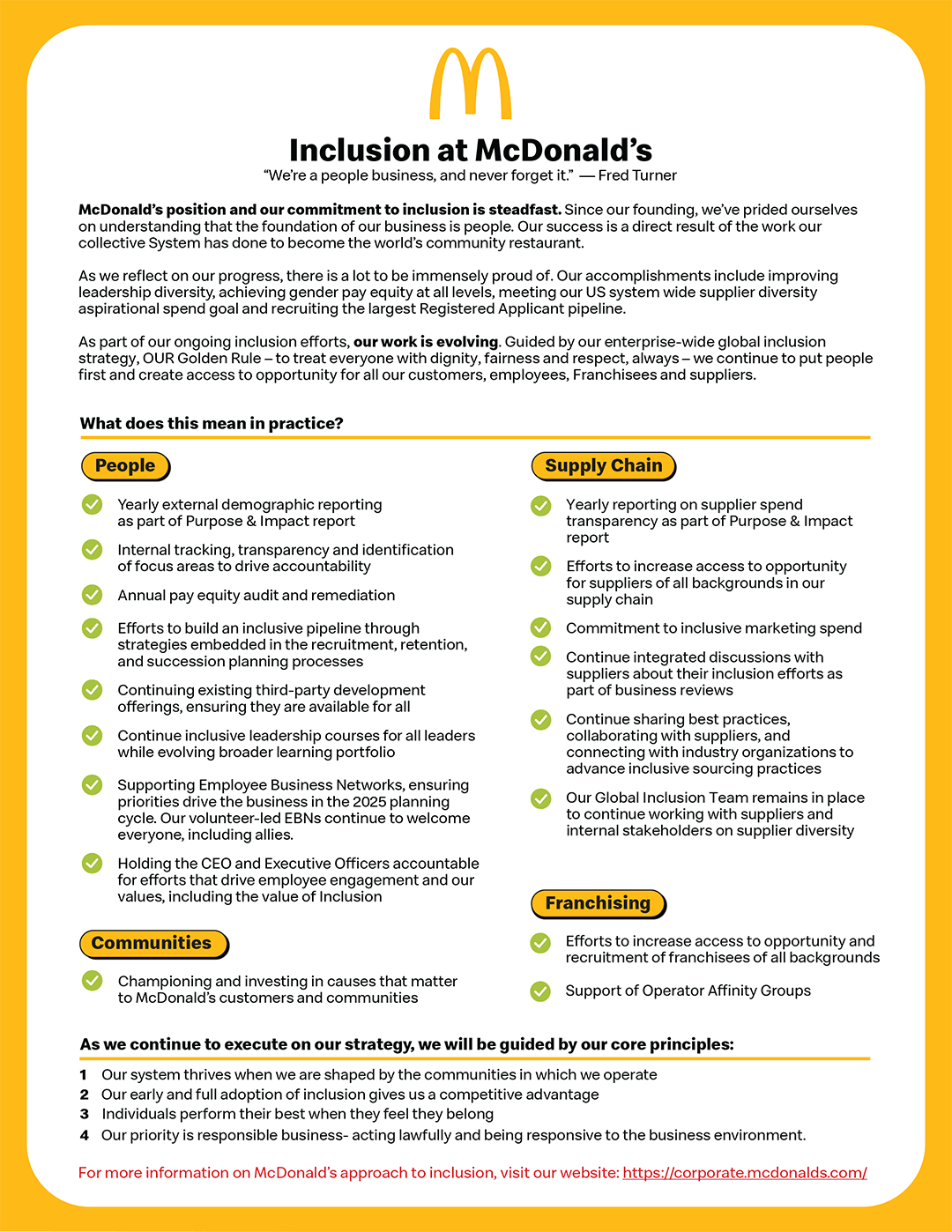
That is the real meaning of McDonald’s current run. The company is not winning because one campaign happened to land. It is winning because value, marketing and menu innovation are being pulled together into one operating model. The restaurants that benefit most will be the ones that can handle the extra traffic without letting the added complexity break the shift.
This article was produced by Prism’s automated news system from verified source data, official records, and press releases, then run through automated quality and moderation checks before publishing. The system is built and supervised by the people who set the standards it runs under. Read our full AI policy.
Did this article answer your question?