McDonald’s ties new drinks, menu updates and app ordering into one system
McDonald’s is turning drinks, wraps and app pickup into one workflow, shifting more timing, sequencing and handoff pressure onto store teams.
A single ordering engine is taking shape
McDonald’s is no longer treating the menu board, the app and the pickup counter as separate parts of the business. New drinks, the return of the Snack Wrap and app-based ordering are being folded into one operating system, and that changes what crews have to prepare, when they prepare it and how much room there is for error.
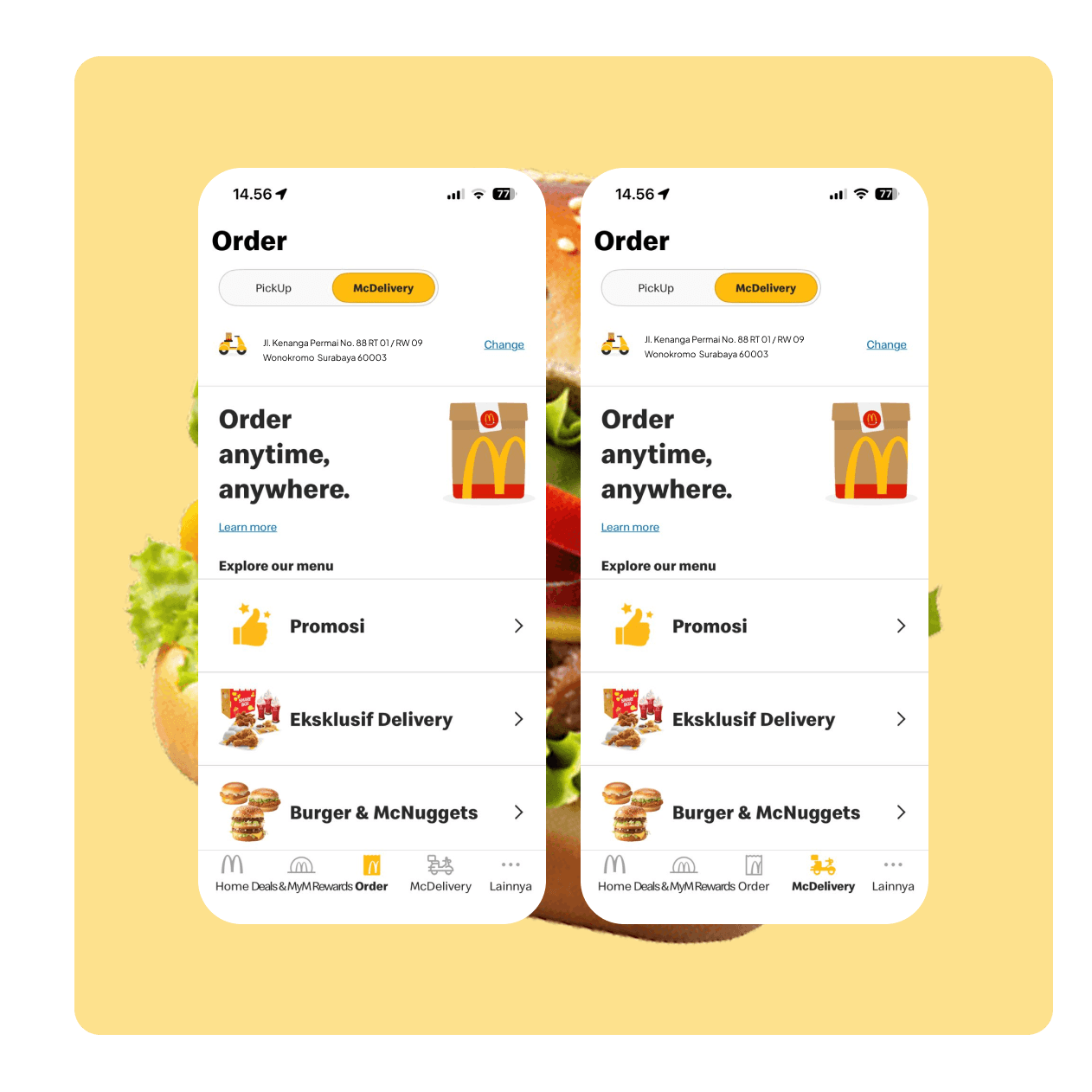
The full U.S. menu page now puts the new beverage lineup front and center, while also surfacing McCrispy Strips and Ranch Snack Wrap. At the same time, the app tells customers they can order ahead for curbside, front counter, table service or drive-thru pickup. That makes the digital layer more than a sales tool. It is now part of the kitchen’s timing, the front counter’s staging and the restaurant’s handoff process.
What the new drinks signal
The beverage rollout is the clearest sign that McDonald’s wants drinks to do more of the heavy lifting in traffic and check growth. Beginning May 6, 2026, the company launched six new specialty drinks nationwide: three Refreshers and three crafted sodas. The lineup includes Sprite Berry Blast, Strawberry Watermelon Refresher, Mango Pineapple Refresher, Blackberry Passion Fruit Refresher, Dirty Dr Pepper and Orange Dream.
McDonald’s framed the launch as a new era of drinks, built on customer demand for specialty beverages and on ideas that emerged from CosMc’s, the beverage-focused concept the company used to test innovation. That matters for store teams because it shows how a pilot concept can flow back into the core menu. What started as an experiment is now part of the standard execution burden in U.S. restaurants.
The company also tied the move to broader digital growth. In full-year 2025, McDonald’s said systemwide sales to loyalty members across 70 loyalty markets reached nearly $37 billion, while 90-day active loyalty users climbed to nearly 210 million by year-end. The message is clear: beverages are not just a menu story, they are part of a repeat-visit strategy powered by the app.
How the app changes the work
For crews, the important shift is not just that customers can order ahead. It is that the app now tells the restaurant what the order is, where the guest wants to pick it up and how the team should stage it. McDonald’s says the crew now preps when the customer is on the way if they choose curbside, front counter or dine-in table service, and the restaurant charges the registered card when the order is placed.
That can help smooth demand when the dining room or drive-thru gets hit at the same time. It can also create a tighter, more unforgiving flow. Once an order is timed to the customer’s location and pickup choice, crews have less flexibility to let product sit, fewer chances to correct a mistake before handoff and more pressure to keep drinks, sandwiches and sides moving in sync.
The app only works at participating restaurants, can appear when a customer is within five miles of a participating location, and pickup options can vary by restaurant and time of day. That means the digital promise is not uniform across the system. For managers and franchise teams, the execution challenge is to keep the guest experience consistent even when the ordering rules shift from store to store.
The Snack Wrap return is part nostalgia, part operations
McDonald’s said on June 3, 2025 that the Snack Wrap would return to U.S. restaurants on July 10, 2025. Joe Erlinger, president of McDonald’s USA, summed up the announcement with a simple line: “It’s back.” The company’s move brought back a product that industry reporting says was discontinued in 2016 as part of a menu simplification effort.
That history matters because the Snack Wrap has always sat at the intersection of customer demand and restaurant practicality. In February 2024, the National Owners Association urged McDonald’s to bring it back, arguing that Snack Wraps are “craveable, relatively simple to produce” and useful as a value item. The group also suggested McDonald’s could become an affordable beverage destination, which now looks like a prescient read on the company’s direction.
For store teams, the return of a familiar item is not just a nostalgia play. It is another build to remember, another ingredient stream to manage and another order variation that can hit the line during peak periods. If the wrap is positioned as a value item, it is also likely to show up where pressure is already high, in the same windows when labor is tight and speed matters most.
What this means on the floor
The new system changes three things most directly: ordering flow, kitchen sequencing and crew workload.
Ordering flow is becoming more segmented. Guests can discover a drink on the menu page, add it in the app, pick a different pickup mode and land in the store at a specific moment rather than simply walking up to the counter. That reduces some friction for customers, but it also means the restaurant has to absorb more precise expectations.
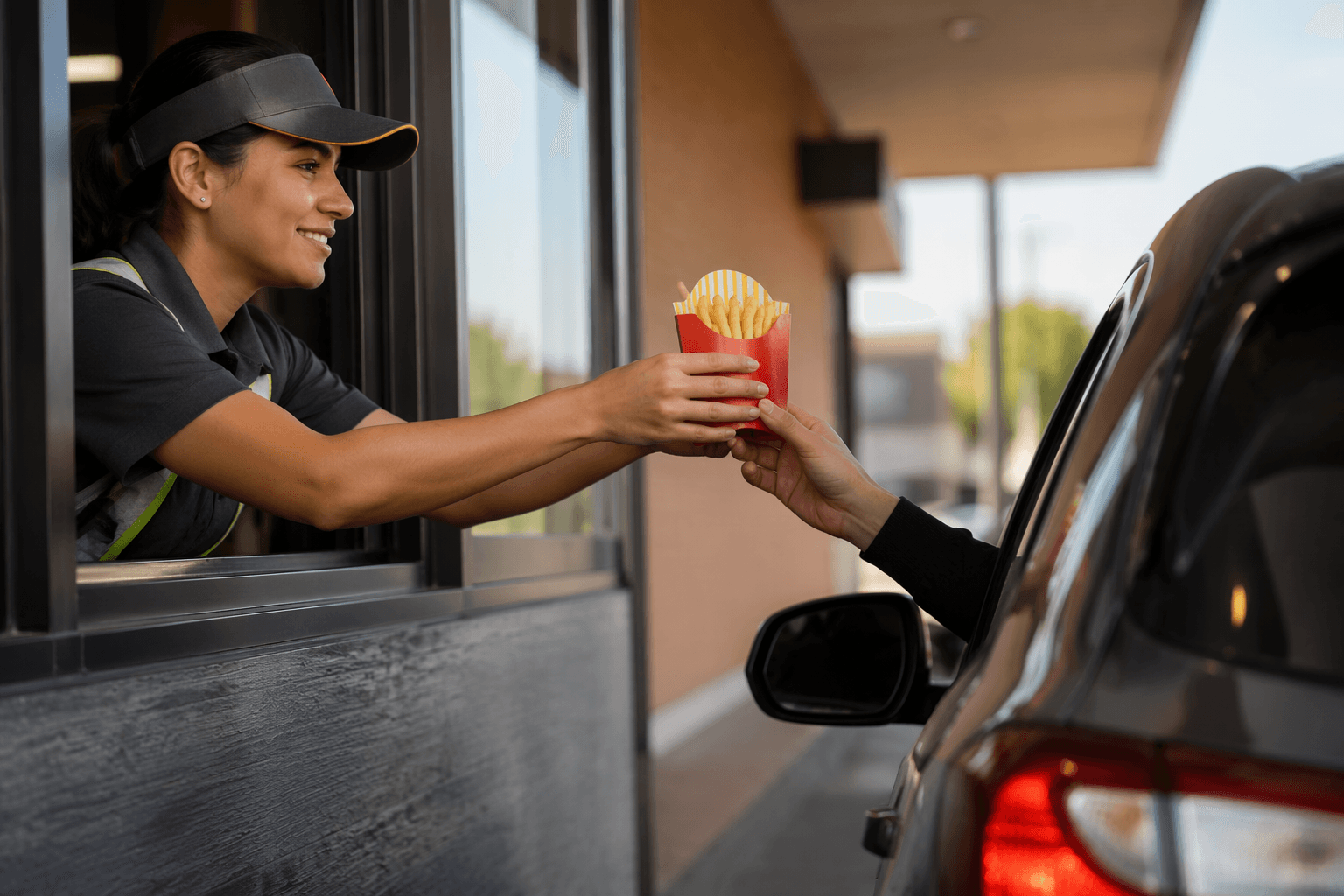
Kitchen sequencing gets more complicated because beverage builds, sandwich builds and wrap assembly now have to align with app timing. A crew member making one dirty soda or refresher is no longer just fulfilling a drink. They are keeping a digitally timed order from stalling. Add Snack Wraps into the mix and the line has to handle more product types without slowing the handoff.
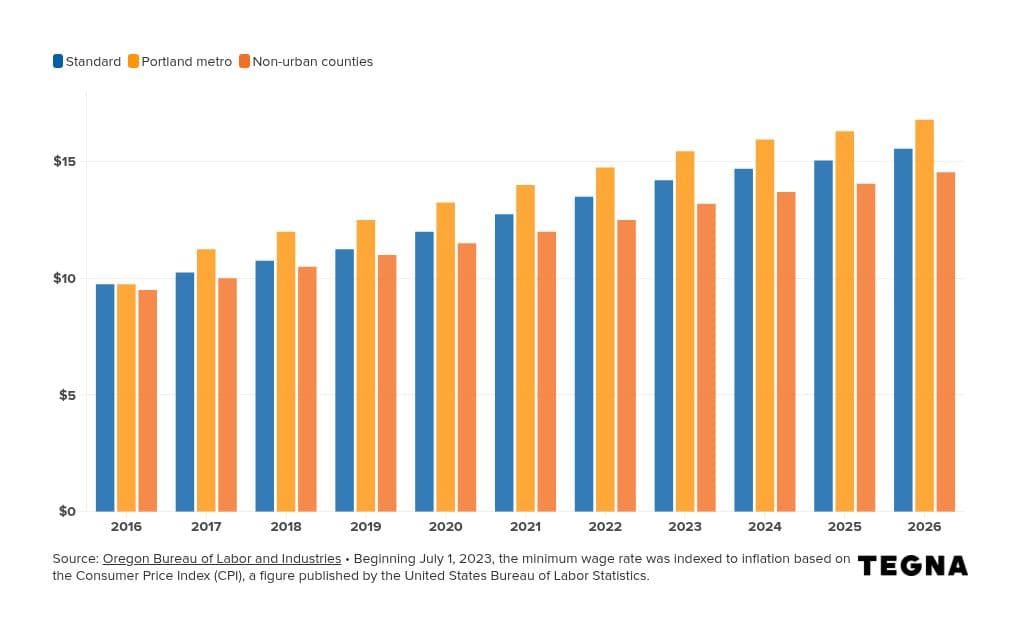
Crew workload is where the corporate story and the store reality can diverge. McDonald’s can call this a streamlined digital experience, but on the floor it often means more steps, more screen checks and more split-second coordination between the grill, table service runner, beverage station and drive-thru. In the broader backdrop of Fight for $15 debates, minimum wage fights and automation talk, that is the key workplace question: does the digital layer reduce friction for workers, or simply move the friction to the store level and make it harder to hide?
The bigger business lesson
McDonald’s is building a tighter link between what the customer sees on a phone and what the crew has to execute in the restaurant. That link is good business if it drives loyalty, repeat visits and higher beverage sales. It is also a test of whether the company is willing to match its digital ambitions with enough labor, training and operational support on the ground.
For franchisees, the story is familiar. The corporation sets the experience, the app sets the tempo and the store carries the burden of making it all look seamless. For crew members, the lesson is simpler: the menu is no longer just a list of items. It is an execution system, and every new launch now lands as a workflow change as much as a product change.
This article was produced by Prism’s automated news system from verified source data, official records, and press releases, then run through automated quality and moderation checks before publishing. The system is built and supervised by the people who set the standards it runs under. Read our full AI policy.
Did this article answer your question?