McDonald's governance resources spell out compliance expectations for managers
McDonald’s governance page is not boardroom wallpaper. It is the rulebook managers lean on when hiring, scheduling, handling vendors, and escalating problems before they become brand damage.
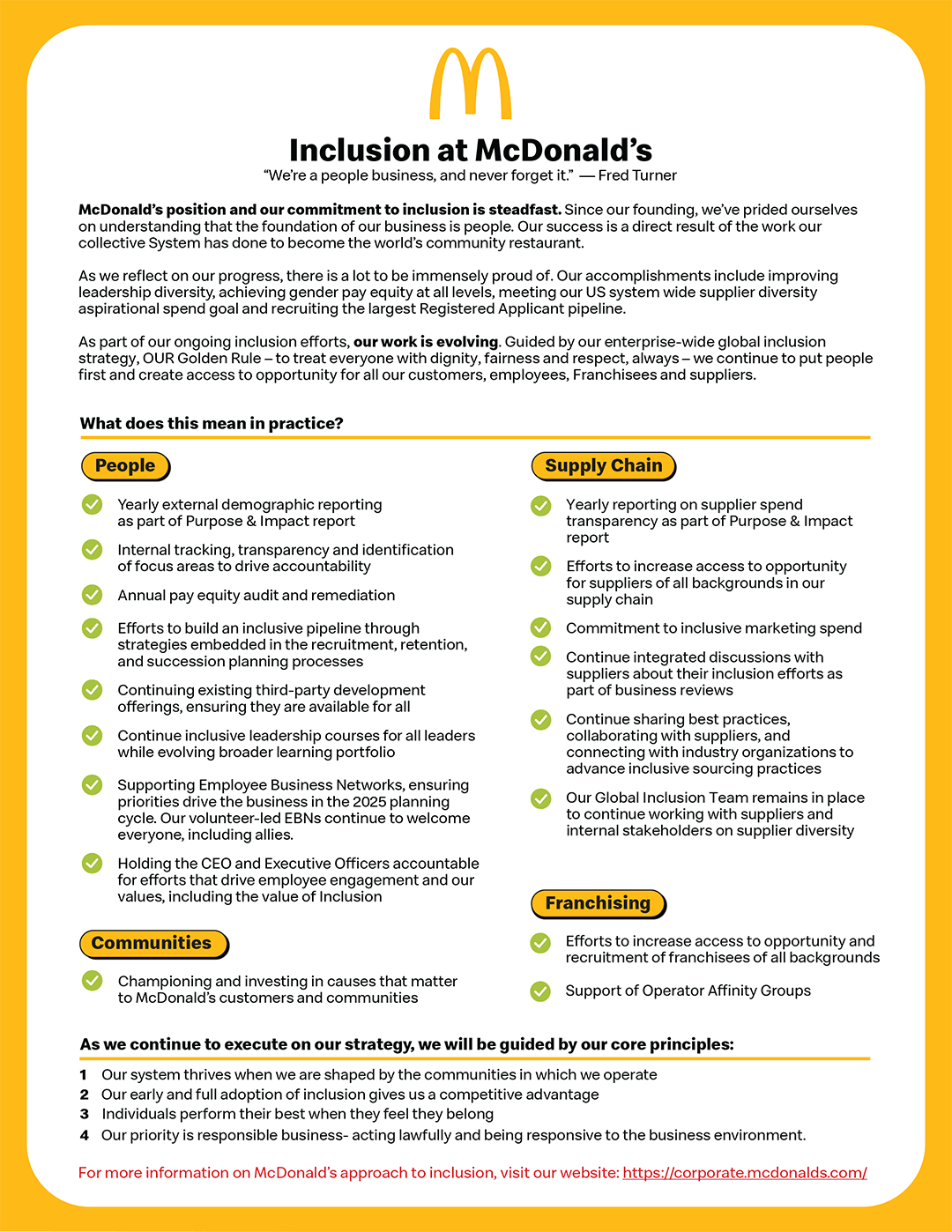
McDonald’s governance resources read like investor paperwork, but on the restaurant side they function more like a compliance toolkit. The company says its standards are built around ethical, truthful and dependable leadership, and that expectation reaches far beyond the boardroom to the people who hire crews, set schedules, handle safety issues, and work with suppliers every day.
What the governance page is really telling managers
The materials collect McDonald’s board charters, governance principles, standards of business conduct, and related policies, along with the code of conduct, certificate of incorporation, by-laws, human rights policy, and other guidelines. That matters because the company says it is committed to doing business ethically and in compliance with both the letter and the spirit of the law, which is the kind of language that filters down into day-to-day restaurant decisions.
For a shift leader or restaurant manager, the practical read is simple: decisions that feel routine can create legal or reputational trouble if they are mishandled. Hiring conversations, scheduling changes, disciplinary calls, customer complaints, vendor relationships, and access to sensitive information all sit inside the same compliance frame. McDonald’s is signaling that these are not just operational choices, they are governance issues.
The standards are meant to travel from headquarters to the counter
McDonald’s says its board has long believed good corporate governance, guided by ethical, truthful and dependable leadership, is critical to long-term success. That is not just a board-level slogan. In a system where most restaurants are franchised and local operators make the daily calls, the company is relying on those standards to hold together a huge, decentralized operation.
The company says approximately 95% of its restaurants worldwide are owned and operated by independent local business owners. That franchise structure creates the familiar tension workers know well: corporate sets the rules, but franchisees often control the actual labor experience. For crews, that can show up in how policies are enforced, how complaints move up the chain, and how consistently training or discipline is handled from one store to another.
Why compliance matters on the next shift
The value of these governance resources is that they give managers a common standard when the pressure is on. If a crew member raises a safety concern, if a vendor pushes for a shortcut, or if a customer issue has the potential to turn into a legal dispute, the governance framework tells managers what kind of conduct the brand expects. It also reminds supervisors that the company wants a compliance-minded culture, not just a clean lobby and fast drive-thru times.
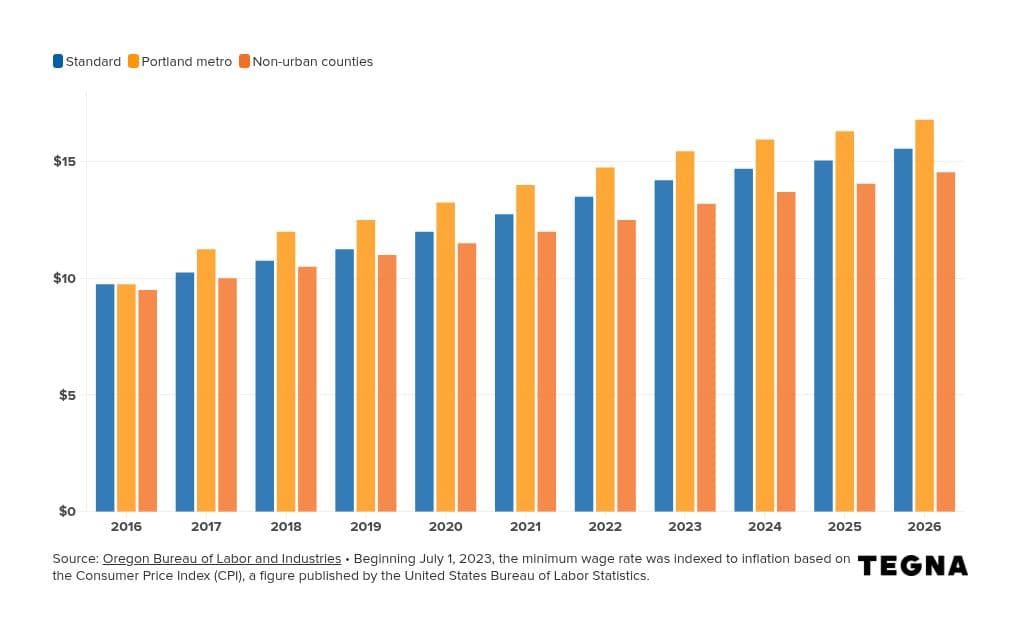
That is especially relevant in a workplace climate shaped by Fight for $15 campaigns, minimum wage fights, and continuing debates over automation and AI replacing some crew functions. As labor expectations rise and operations become more digitized, managers are being asked to document, explain, and defend more of their decisions. In that setting, a written conduct standard is not abstract. It is a shield for the company and, when used properly, a guide for supervisors trying to avoid mistakes that land in HR, legal, or public-relations territory.
What the board structure says about oversight
McDonald’s says its Board of Directors has 12 members, 11 of them independent. The company also says its Governance Committee reviews the Corporate Governance Principles at least annually. That kind of routine review matters because it shows the company treats governance as something to update and enforce, not just file away.
The board structure includes annual board elections, annual board and committee evaluations, annual individual director evaluations, and proxy access bylaws. For restaurant employees, the significance is indirect but real: McDonald’s is telling investors and franchise partners that oversight is supposed to be continuous and measurable. In a company as large and franchise-heavy as McDonald’s, that level of formal review helps explain how corporate expectations are supposed to stay consistent across thousands of locations.
The compliance program is not just for accountants
McDonald’s says it has a corporate compliance program and standards of business conduct that include special provisions for finance professionals. That detail may sound narrow, but it reinforces a broader point: the company separates high-risk decision areas and expects different levels of accountability depending on the job. Finance staff are singled out, but the same compliance logic shapes how managers should think about payroll, cash handling, vendor payments, and recordkeeping.
For restaurant managers, the lesson is to treat documentation seriously. If a shift change, a worker complaint, or a supplier issue needs escalation, the governance model implies that the cleanest path is the one that can be explained later. That is how a code of conduct becomes usable on the floor: it turns into a habit of accurate reporting, fair treatment, and consistent follow-through.
How scale changes the meaning of the rules
McDonald’s says it has more than 38,000 locations in over 100 countries, and more recently reported 45,356 systemwide restaurants at year-end 2025, including 13,706 in the United States. Those numbers are the reason governance matters so much. A policy that seems routine in one store becomes a brand issue when it is multiplied across tens of thousands of restaurants and a global supply chain.
That scale also changes how workers experience policy. A crew member at one location may never see the board materials directly, but the standards still shape what a manager can or cannot do when hiring a close friend, changing a schedule at the last minute, or deciding how to handle a supplier conflict. The governance page is the company’s way of saying that the same ethics standard applies whether the issue starts in a boardroom, a franchise office, or behind the fry station.
What managers can take from it before the next rush
The most useful takeaway is that McDonald’s governance resources are operational, not decorative. They define the company’s expectation that managers act honestly, follow the law, and handle pressure without cutting corners. In a business that depends on high turnover, thin margins, and constant labor scrutiny, those expectations matter because they help determine whether a problem stays local or becomes a corporate headache.
For crews, that should translate into clearer rules, cleaner escalation paths, and a stronger case for fair treatment when something goes wrong. For managers and franchise operators, it is a reminder that the company is watching not only sales and speed, but also the quality of the decisions made on every shift.
This article was produced by Prism’s automated news system from verified source data, official records, and press releases, then run through automated quality and moderation checks before publishing. The system is built and supervised by the people who set the standards it runs under. Read our full AI policy.
Did this article answer your question?