McDonald's growth depends on core menu upgrades, not discounting alone
McDonald's growth is coming from better core menu execution and culture-driven promotions. For crews, that means tighter training and more pressure.
Core menu, not just cheaper menu
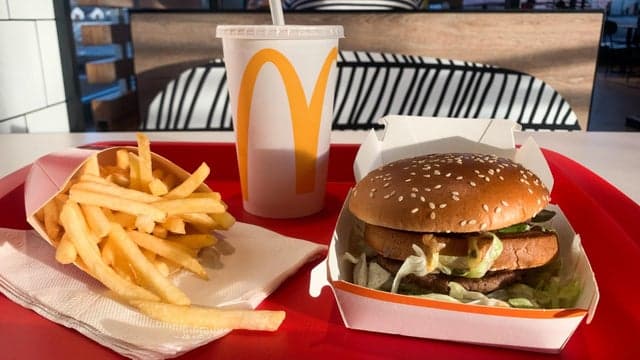
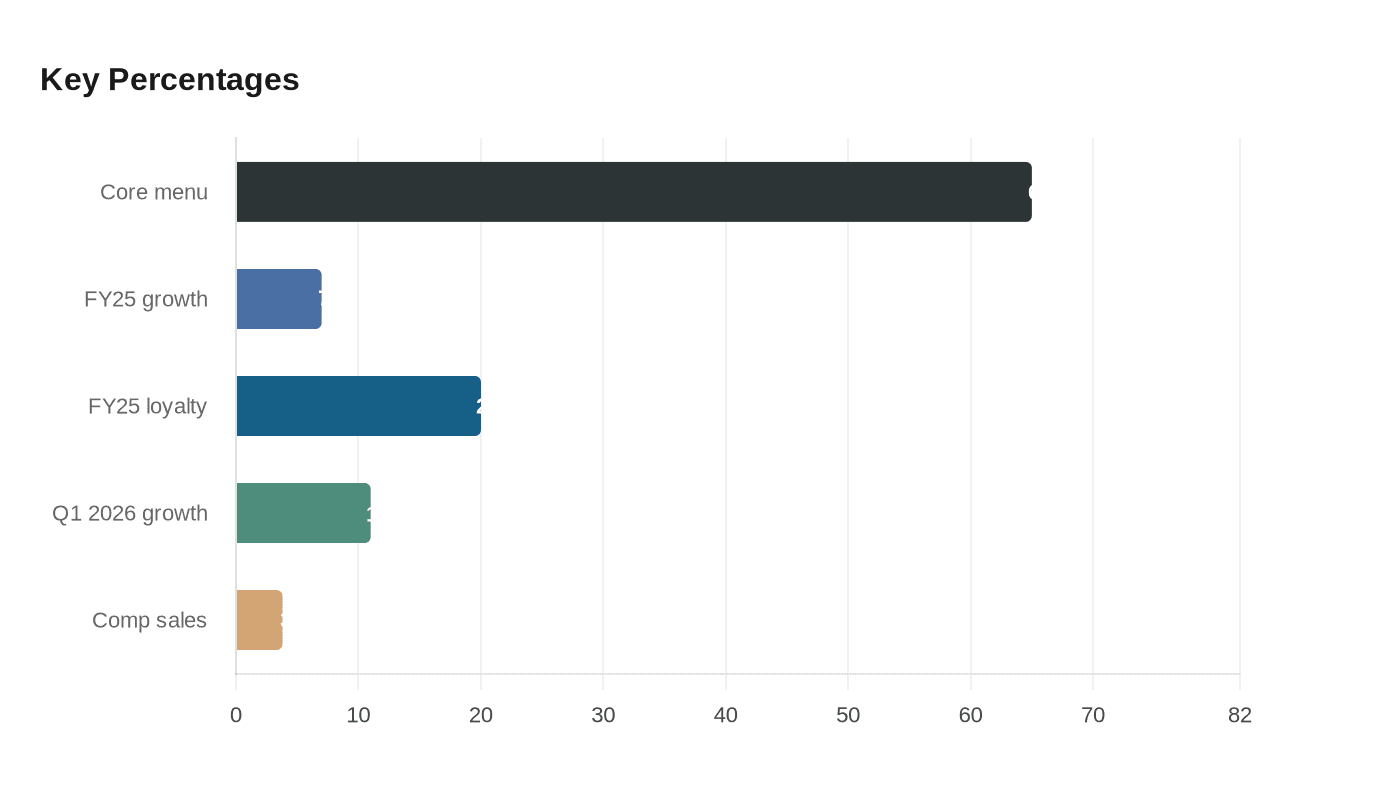
McDonald's is showing that growth still starts with the basics. The Big Mac, Quarter Pounder, Chicken McNuggets and World-Famous Fries now make up about 65% of systemwide sales, and the company has described 17 classic menu items as billion-dollar brands. That matters inside the restaurant because it confirms what crews already know: the chain does not win when the menu is merely loud, it wins when the food people already trust is executed cleanly every shift.
The company’s 2025 annual report made that logic explicit. Persistent inflation, tighter labor markets and consumer uncertainty reinforced the importance of value, familiarity and trust. In other words, McDonald’s is not treating price as the only lever in a shaky consumer market. It is leaning on the comfort of its core menu, then using marketing and limited-time offers to make those familiar items feel fresh enough to drive repeat visits.
Why burger chains are winning with better execution
The broader burger-chain picture helps explain the strategy. Top-performing chains are not simply flooding the market with discounts or random novelty. They are keeping research-and-development teams busy, upgrading core offerings and rolling out limited-time promotions that feel culturally relevant enough to matter to customers. That combination gives the brand a reason to visit, but it also raises the bar for restaurant execution.
For McDonald’s, that is a very familiar playbook. The company has repeatedly framed its strategy around value leadership, breakthrough marketing and menu innovation, while its digital strategy, Digitizing the Arches, is meant to use scale and data to reshape how the business operates. The formula is working in the numbers: full-year 2025 global systemwide sales rose 7% to over $139 billion, and sales to loyalty members across 70 loyalty markets grew 20% to nearly $37 billion. In the first quarter of 2026, global systemwide sales increased 11% to over $34 billion, comparable sales rose 3.8%, and systemwide sales to loyalty members across 70 loyalty markets topped $38 billion over the trailing 12 months.
That is the important worker-side point. Growth is not coming from discounting alone. It is coming from a tighter operating model in which the menu, the app and the promotion all have to work together.
Culture has become part of the operating model
McDonald’s recent launches show how far that has gone. In April 2025, the company paired A Minecraft Movie Meal and Happy Meal with digital game experiences and collectibles, and McDonald’s called it “a cultural moment.” That phrase is doing a lot of work. It means the company no longer sees a promotion as just a meal deal or a media buy. It is trying to turn a piece of pop culture into store traffic, app usage and repeat ordering.
The same logic shows up in the Snack Wrap return. McDonald’s brought it back in 2025 after nearly a decade away, and industry coverage tied the comeback to consumer demand and operational simplification using McCrispy Strips. That combination matters because it shows the company is not only chasing nostalgia. It is also trying to make old favorites easier to run on the line, which can be the difference between a promotion that boosts sales and one that clogs the kitchen.
The Big Arch limited-time burger also helped drive first-quarter 2026 momentum, which reinforces the same theme. McDonald’s is using menu innovation to create a sense of event around core food, not just to pad the discount calendar. In a Ray Kroc-era business built on consistency, the new twist is that consistency now has to coexist with cultural timing, digital engagement and rapid product cycles.
What this means for crew members and managers
For crew members, the immediate effect is usually more line complexity and more guest questions. A familiar item repackaged as an event can bring a rush of orders, substitutions and curiosity, especially when customers are trying to figure out whether the limited-time item is worth the trip. That can slow down a shift if the restaurant has not drilled the build, the sequencing and the handoff.
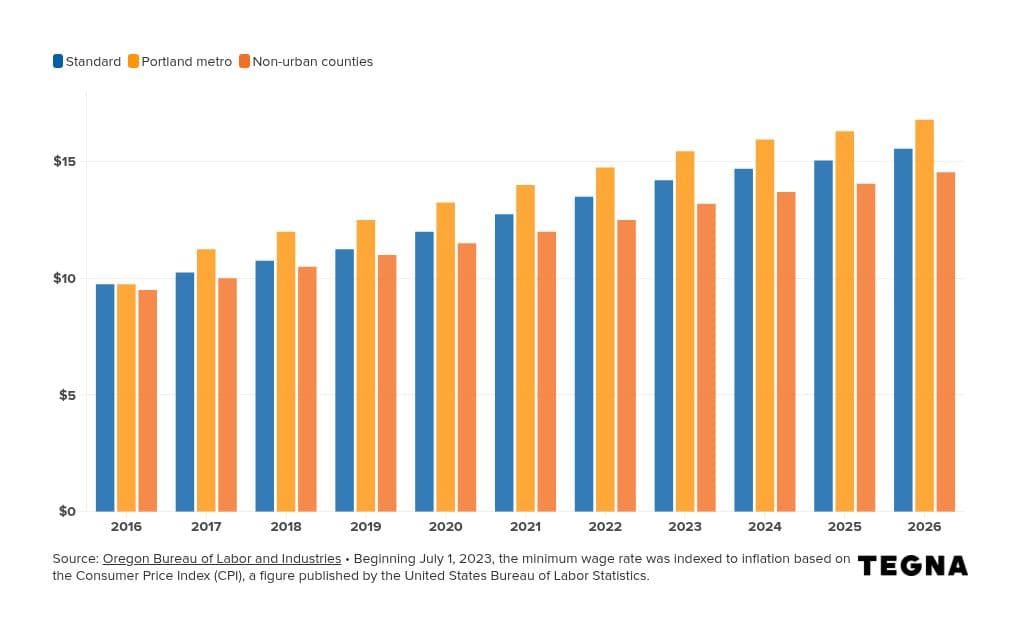
For managers, the pressure is even clearer. Every launch has to be translated into training, or the promotion becomes a service problem. Managers are expected to keep speed of service intact, coach accuracy and make sure the crew can handle whatever the app or advertising team has pushed into the market. In a labor environment shaped by Fight for $15 campaigns, minimum wage fights and ongoing staffing pressure, that often means more expectations on the same workforce rather than fewer.
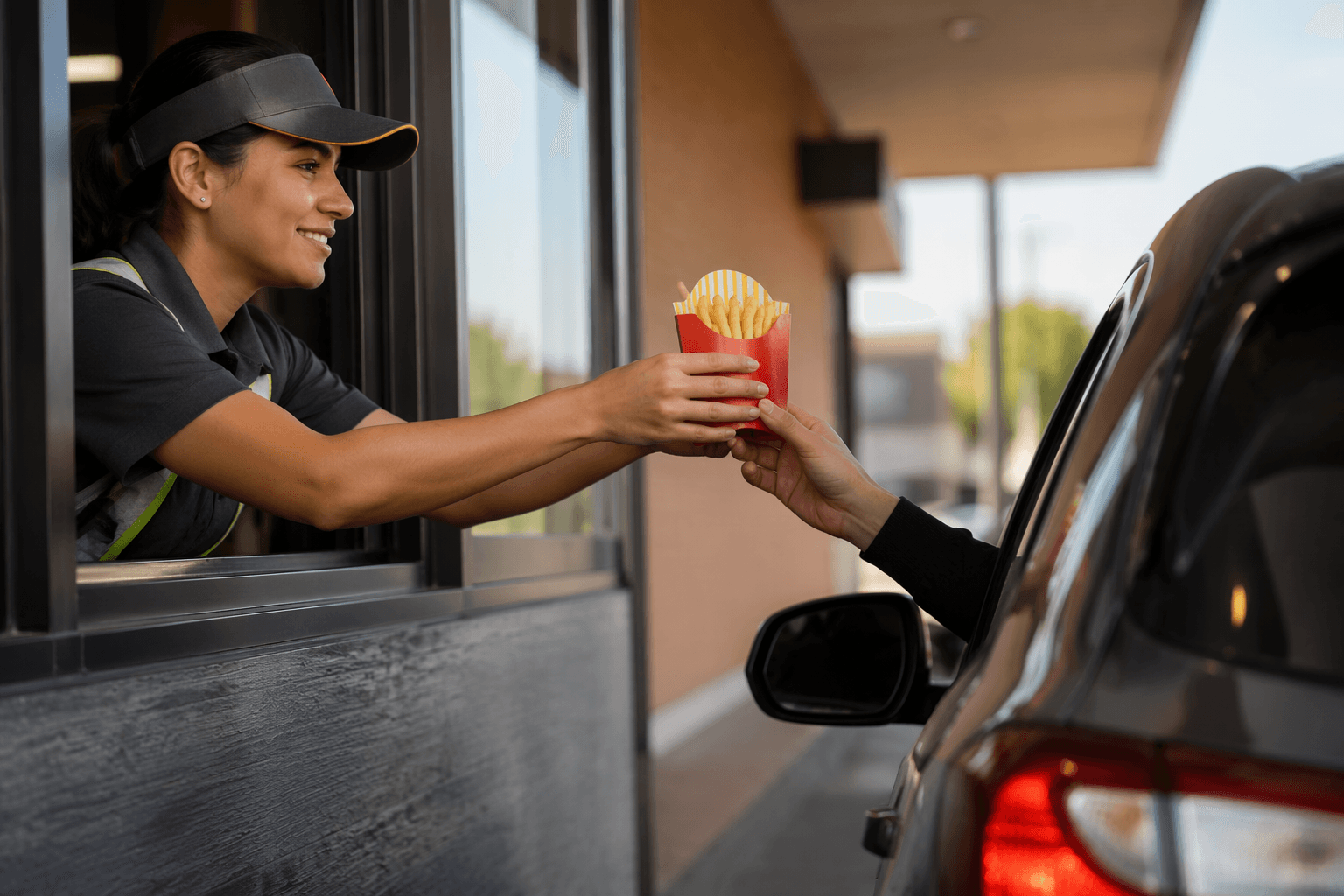
The tension is even sharper in franchise restaurants. Corporate can point to systemwide sales gains, loyalty growth and cultural relevance, but the execution burden lands on franchisees, shift leaders and frontline workers. If a promotion feels timely in the ad campaign but messy in the restaurant, the cost shows up as stress, ticket delays and a harder shift for the people on the floor.
The real test is whether innovation makes the restaurant easier or harder to run
That is why McDonald’s growth story is not really about discounts versus non-discounts. It is about whether the company can keep its core food strong, use promotions that actually resonate and simplify the back end enough that the restaurant does not buckle under the pressure. Digital ordering and automation can help with some tasks, and the Digitizing the Arches push signals that McDonald’s wants data to do more of the heavy lifting. But the last mile is still human, and that is where culture becomes an operating demand.
McDonald’s is proving that the strongest burger brands are winning on more than price. They are tightening the quality of the food people already know, then wrapping it in promotions that feel current enough to matter. For workers, that means the growth strategy arrives on the floor as training pressure, service expectations and a faster, more complicated version of the job.
This article was produced by Prism’s automated news system from verified source data, official records, and press releases, then run through automated quality and moderation checks before publishing. The system is built and supervised by the people who set the standards it runs under. Read our full AI policy.
Did this article answer your question?