McDonald's workers can learn from 2026 FABI award trends
The 2026 FABI Awards point to a menu future built on simpler prep, stronger flavor and faster execution. For McDonald’s workers, that means innovation is becoming a labor issue, not just a marketing one.

What the FABI winners say about where foodservice is headed
McDonald’s is still fighting for traffic with value and limited-time menu moves, and the 2026 FABI Awards show why that fight is changing shape. The National Restaurant Association Show honored 28 products and named 10 of them FABI Favorites, but the real story for crew members and franchise operators is the pattern behind the picks: protein, global flavors, textural elements, operational efficiency and ingredient simplification.
That mix matters because it points to a market that wants food to feel familiar, but not boring. A protein-packed egg-white wrap, elote butter, halal beef kefta links, dairy-free cream cheese packets and mini waffles that can work in both sweet and savory builds all fit that logic. These are not novelty stunts built only for social media. They are modular products that can be slotted into existing kitchen routines, sold quickly and explained easily at the counter or drive-thru.
Why this matters to the line, not just the menu board
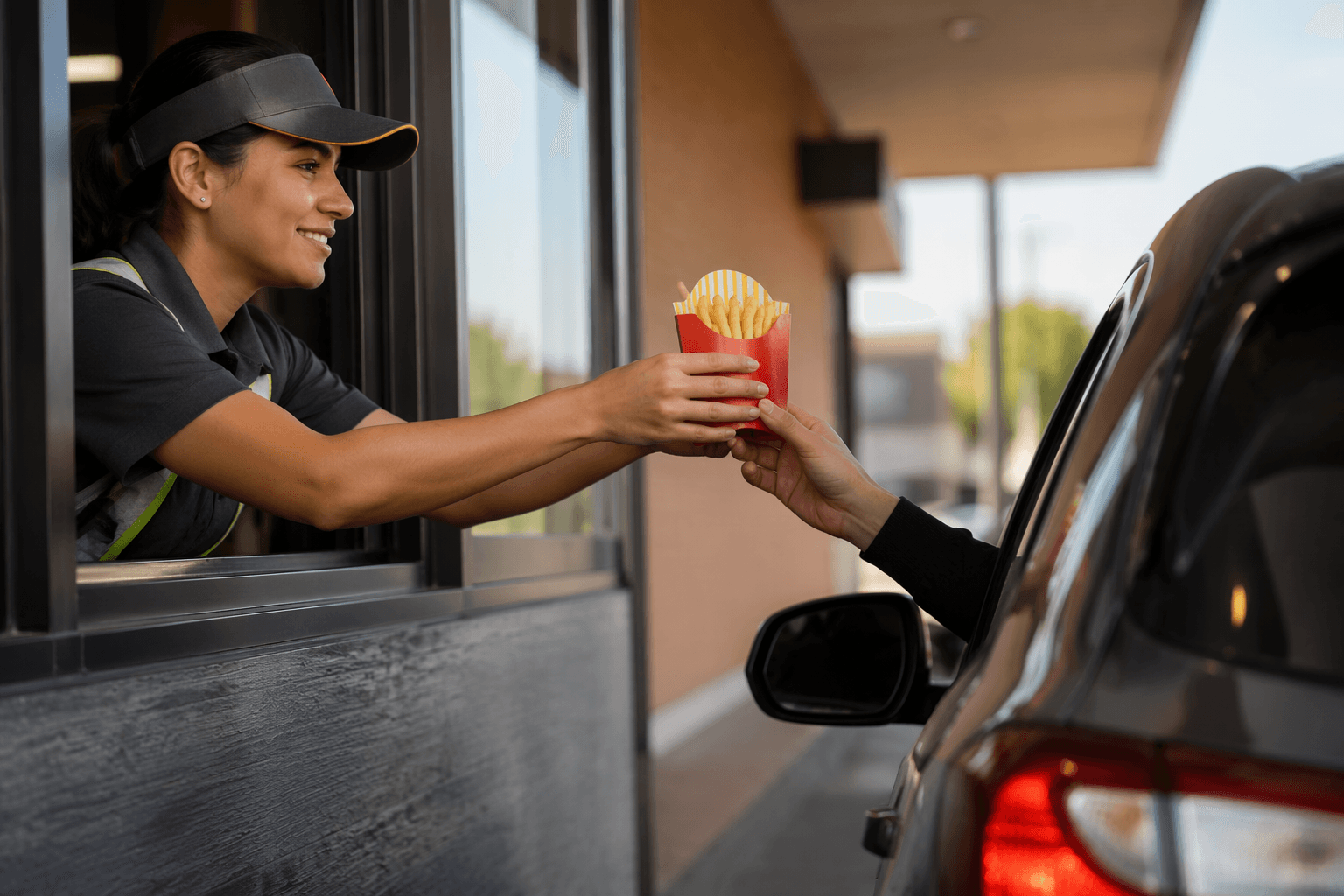
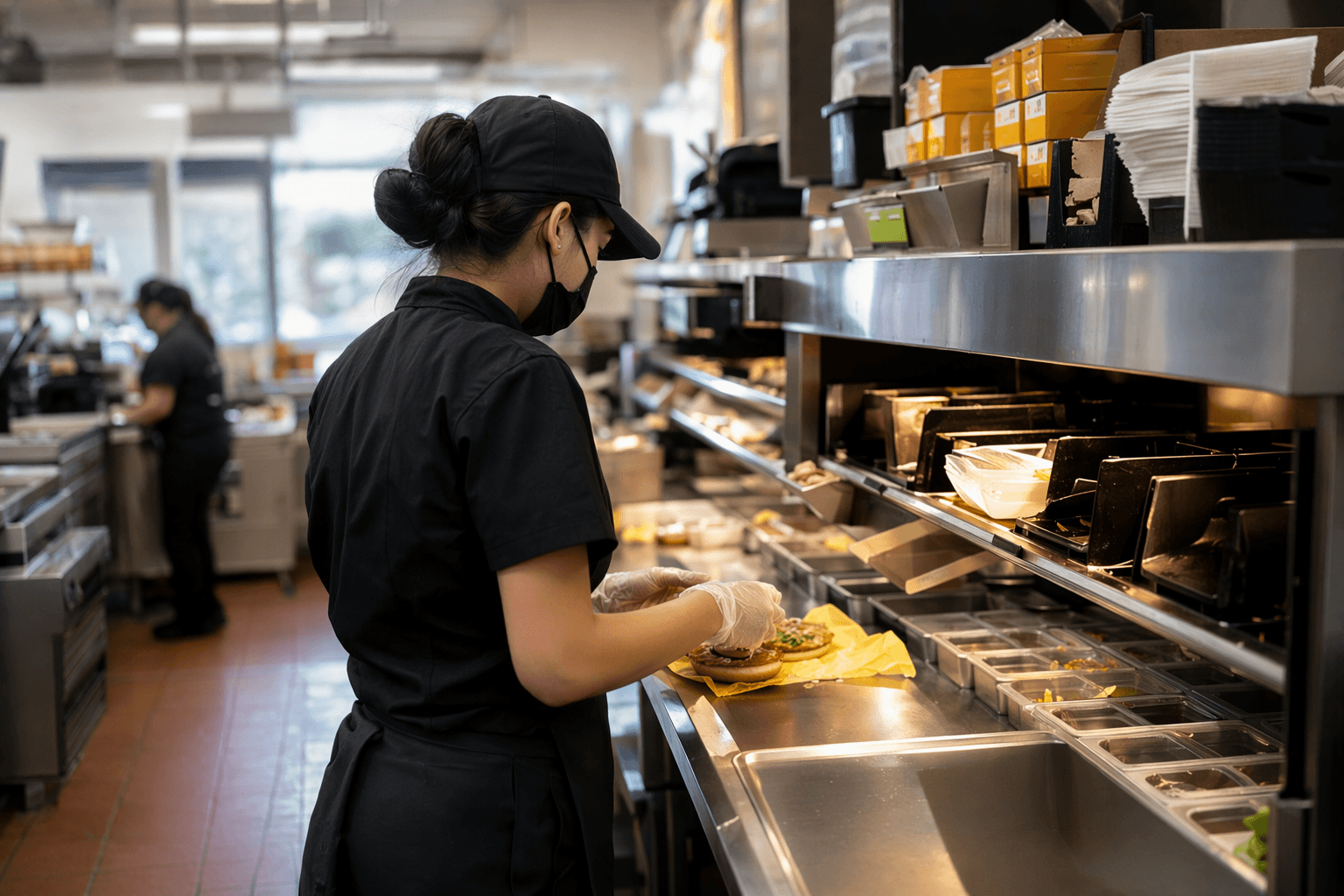
For restaurant workers, every menu change creates ripple effects that customers rarely see. A new item can mean extra prep steps, another cold storage slot, different holding times, new assembly patterns or a fresh round of guest questions when the order speaker and the actual sandwich do not match. The FABI list is useful because it rewards products that appear to add excitement without forcing a kitchen to reinvent itself.
That is the real signal for McDonald’s. The chain operates on speed, repetition and training that has to work across corporate stores and franchises alike. Products that can be prepped fast, held safely and built with minimal handling have a better chance of surviving a mass rollout than something that looks great in a test kitchen but slows down service in a packed drive-thru.
The labor consequence is straightforward: trend-forward does not have to mean labor-heavy, but it often does if the company gets the execution wrong. A wrap may sound simple until it adds a new protein, a sauce, a garnish and one more decision point in the middle of the lunch rush. A dairy-free packet may solve a customer need, but it also creates another inventory item to track and explain. The difference between a smart innovation and a burden is whether management designs it for the pace of the restaurant, not just the optics of the launch.
The broader industry backdrop is leaning the same way
The National Restaurant Association Show in Chicago runs May 16-19, 2026, at McCormick Place, and the association says it is the largest gathering of foodservice professionals in the Western hemisphere. More than 50,000 restaurant and hospitality representatives and over 2,000 suppliers are expected to attend. That scale matters because it turns the FABI winners into a kind of industry temperature check, one shaped by what operators think they can actually execute.
The association’s 2026 What’s Hot Culinary Forecast reinforces the same direction. Based on input from nearly 300 chefs and operators surveyed in October 2025, it says comfort and nostalgia, flavor escapism, value, health and wellness are the top themes for 2026. The forecast also points to smashed burgers, Caribbean curry bowls and elevated instant noodle dishes as examples of where menus are headed.
That is a useful lens for McDonald’s employees because it explains why the company has been leaning into food that feels both recognizable and slightly upgraded. The market is not rewarding complexity for its own sake. It is rewarding foods that can travel across channels, fit into high-volume operations and still look fresh enough to justify a stop.
McDonald’s is already moving in that direction
McDonald’s introduced its McValue platform in January 2025, then later added bundled Extra Value Meals as part of the same push to make affordability central again. On May 7, 2026, the company reported 3.9% U.S. same-store sales growth for the quarter, its fourth straight quarter of growth in that market. CEO Chris Kempczinski said the company is not going to get beat on value and affordability, which tells you where management sees the pressure.
The menu pipeline matches that strategy. McDonald’s has recently added or reintroduced Snack Wraps, McCrispy Strips, Daily Double and Spicy McMuffins. That list is important because it shows the chain is not chasing novelty in the abstract. It is testing items that can help traffic, fit value messaging or revive familiar cravings without creating a kitchen that moves any slower.
This is where the FABI trend line becomes practical for crew members and franchisees. If the wider industry is gravitating toward portable, modular and trend-aware food, McDonald’s will keep looking at products that can be mass-produced with minimal friction. The chain does not need a menu full of chef-driven complexity. It needs items that feel current enough to pull customers in, while still moving through a window built for speed.
What workers should watch next
The most important lesson from the 2026 FABI Awards is not which exact products eventually show up at McDonald’s. It is the direction of travel. Operators are paying for ingredients and formats that can do more than one job, whether that means a waffle that goes sweet or savory, a wrap that signals protein, or a global flavor profile that can be simplified for mass service.
For crew members, that means new items are likely to arrive with the same old pressure points: tighter prep standards, more inventory discipline and more training on how to keep service moving. For managers, it means every future test should be judged by three questions: does it sell, can the kitchen execute it at speed and does it make the rest of the line harder to run?
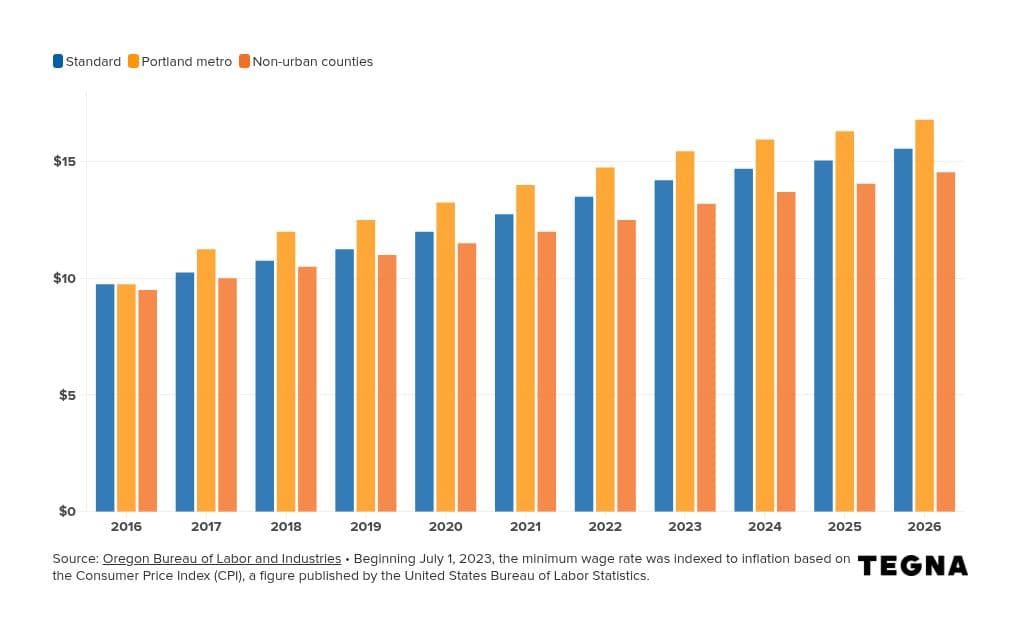
That is the deeper labor story inside the FABI winners. In a fast-food system already shaped by the fight for $15, staffing strain and automation talk, the winners point toward a future where menu innovation will be judged less by how clever it sounds and more by whether it can survive a lunch rush. For McDonald’s, the menu ideas that last will be the ones that improve traffic without turning the kitchen into a bottleneck.
This article was produced by Prism’s automated news system from verified source data, official records, and press releases, then run through automated quality and moderation checks before publishing. The system is built and supervised by the people who set the standards it runs under. Read our full AI policy.
Did this article answer your question?