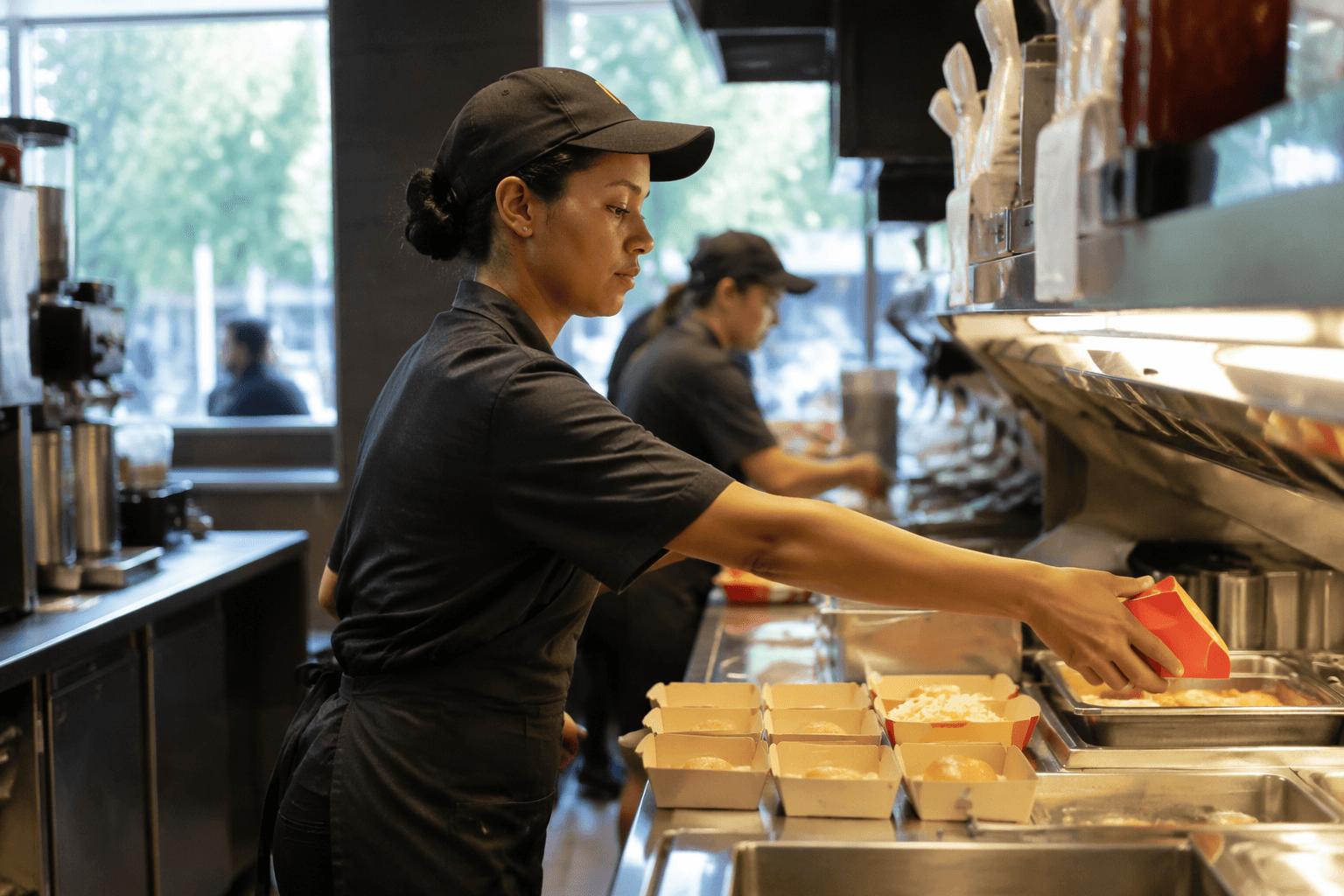
McDonald's growth plan signals more stores, tech and pressure on workers
McDonald’s is linking expansion to automation and higher standards, a move that could bring jobs and promotions but also tighter staffing and faster shifts.
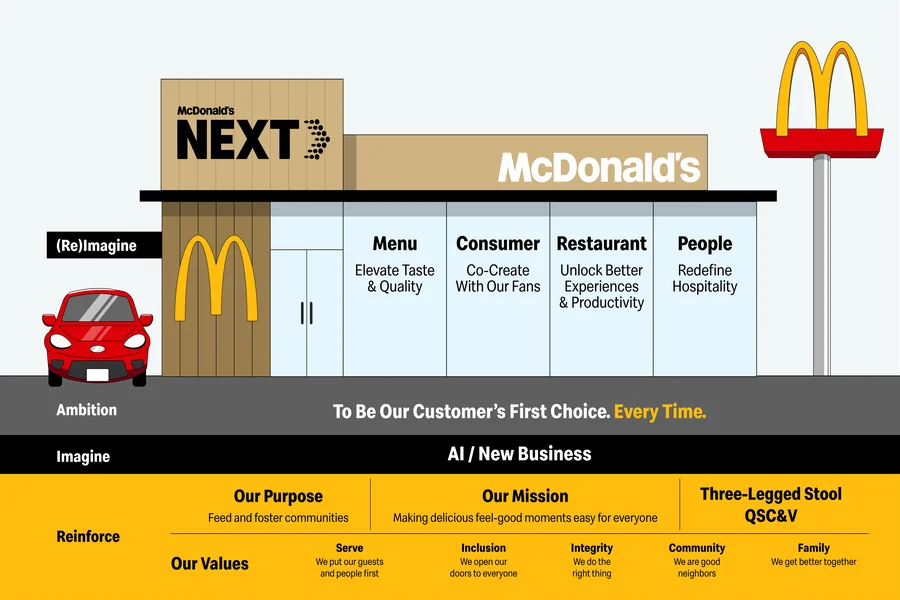
McDonald’s new McDonald’s > NEXT strategy puts growth and productivity in the same frame. The June 1 rollout centered on more automation, higher hospitality standards and stores that are easier to run, a combination that usually shows up first in scheduling, training and line speed for crew, shift leads and managers.
The company has been signaling scale for years. Reuters reported in December 2023 that McDonald’s planned to add about 10,000 new stores worldwide by 2027, which would bring the chain to about 50,000 restaurants globally, while also doubling loyalty-program sales. Bloomberg later described that 50,000-location goal as a multibillion-dollar effort focused on fast-growing areas, including Texas boomtowns north of Dallas, where McDonald’s had fallen behind population growth.
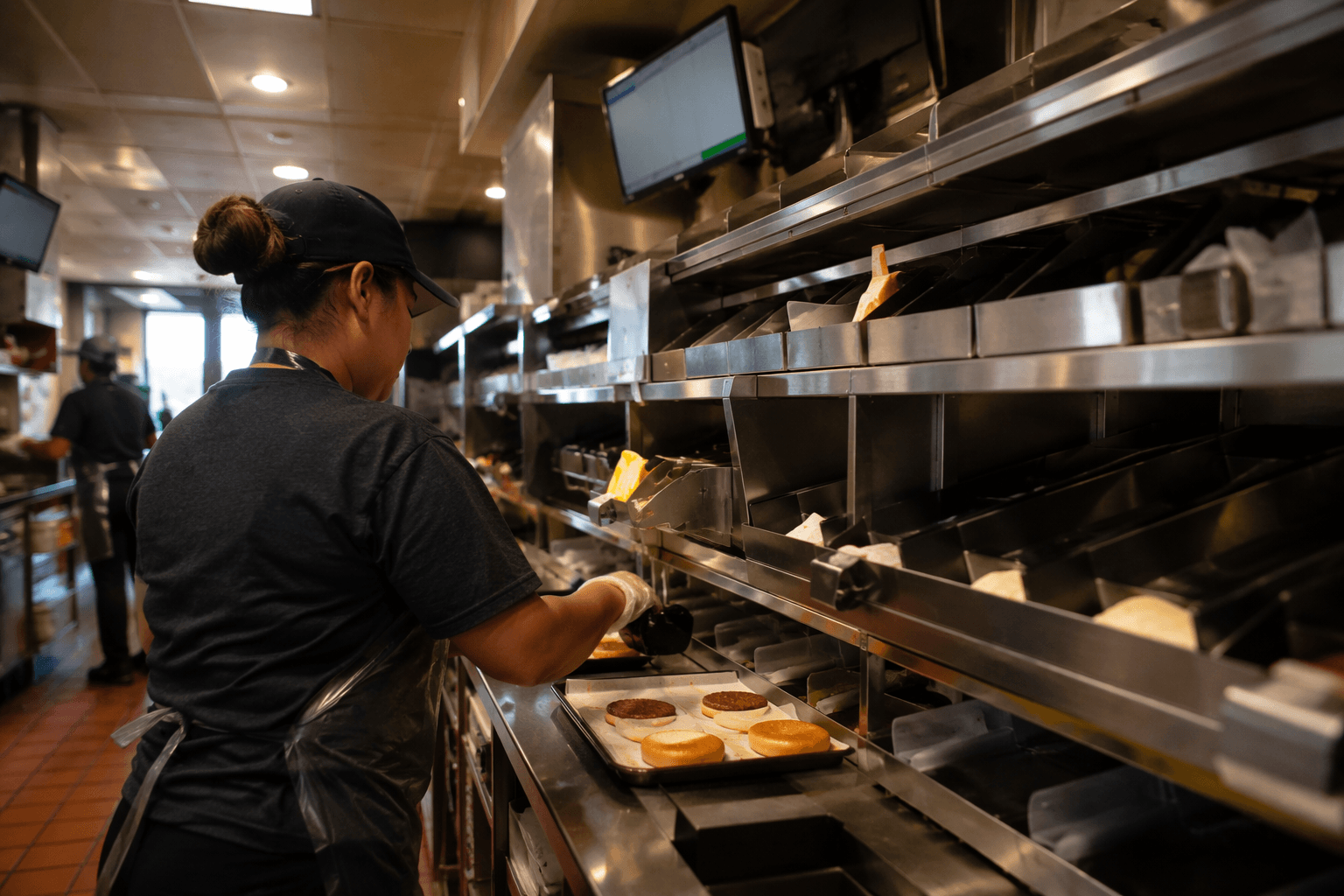
For workers, new stores can mean more hiring, more trainers and more chances for experienced crew to move into shift leadership or management. But expansion also spreads the same labor pool across more units, and that can raise the pressure on existing restaurants if staffing does not keep up. Reuters reported in January 2023 that McDonald’s would review staffing levels and boost store development, a reminder that growth plans often reach the floor through labor budgets, not just new openings.
Technology is part of that shift. Reuters reported in July 2021 that McDonald’s created a new unit focused on its global digital app, and the latest strategy extends that push by pairing automation with restaurant improvements and menu changes. That can make service smoother if it improves forecasting, ordering and back-of-house efficiency. It can also leave crews with fewer buffers when a lunch rush hits, especially in stores already running lean.
The split between opportunity and pressure is where the labor story sits. A growth plan can create more paths upward, but only if restaurants are staffed and trained well enough to support them. If McDonald’s uses NEXT to add stores, raise tech use and tighten operating standards without matching those moves with labor support, the first people to feel it will be the crews on the floor and the managers trying to keep the shift moving.
This article was produced by Prism’s automated news system from verified source data, official records, and press releases, then run through automated quality and moderation checks before publishing. The system is built and supervised by the people who set the standards it runs under. Read our full AI policy.
Did this article answer your question?