McDonald’s swaps technology leaders to tighten U.S. and global operations
McDonald’s is flipping two top tech jobs on Aug. 1, a change that could ripple into ordering, kitchen screens, delivery flow, and shift tools for crew.

McDonald’s will swap Whitney McGinnis and Valerie Ashbaugh into each other’s technology roles on Aug. 1, a change that could affect the systems crew members use to take orders, route delivery, and keep lunch rushes moving. McGinnis will become senior vice president, Commercial Products & Platforms, while Ashbaugh will become chief information officer.
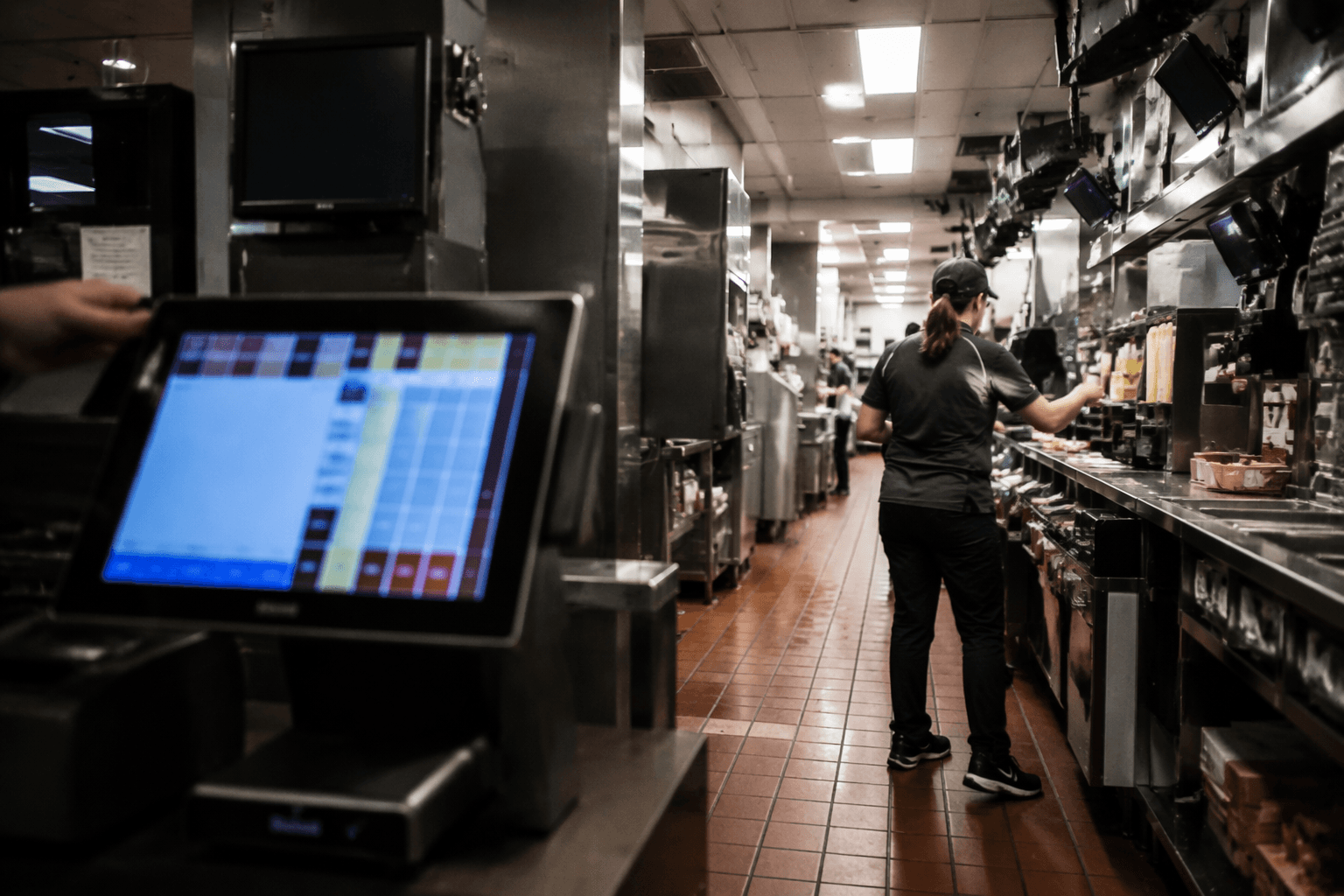
The company said the move is meant to broaden each leader’s experience, but the practical question for restaurants is whether the people steering McDonald’s tech stack can make daily work simpler. At a chain that runs more than 43,000 restaurants in over 100 countries, a software update or platform change can reach cashiers, shift leads, kitchen crews, and franchise managers fast. A cleaner point-of-sale system, better order routing, or fewer app glitches can shave minutes off a busy period. The wrong change can add another layer of pressure to a crew already juggling dine-in, drive-thru, and delivery.
McGinnis wrote on LinkedIn that she has spent more than two decades at McDonald’s and has led U.S. Technology for the past several years. Ashbaugh’s LinkedIn profile lists her as CIO and senior vice president, McDonald’s USA, based in Chicago. McDonald’s corporate story on the move framed the swap as leadership for both U.S. operations and global technology, underscoring how tightly the company now links restaurant execution to its digital systems.
That linkage matters because McDonald’s has spent years pushing loyalty, cloud technology, and digital transformation. In one corporate announcement, the company set new targets for development, loyalty membership, and cloud technology, signaling that restaurant tech is not a side project. Recent CX Dive reporting said active loyalty members are McDonald’s “single most important digital metric,” a reminder that app activity and customer frequency now sit close to the center of the business.
McDonald’s launched its first global loyalty program in the U.S. in 2021, and Restaurant Dive said the chain reached 15 million active loyalty members after just four months in market. That kind of growth helps explain why executives pay so much attention to the platforms behind mobile ordering, loyalty offers, and customer data. For franchisees, those choices often turn into new hardware, software updates, and training demands on the floor.
The company’s technology leadership shuffle is more than a title change. For workers, it will show up in how fast fixes roll out, how smoothly tools connect front counter to kitchen to delivery, and whether McDonald’s digital push reduces friction or creates more of it on the next shift.
This article was produced by Prism’s automated news system from verified source data, official records, and press releases, then run through automated quality and moderation checks before publishing. The system is built and supervised by the people who set the standards it runs under. Read our full AI policy.
Did this article answer your question?