McDonald's India trains 5,000 workers on food safety across 50 cities
More than 5,000 McDonald’s India crew members got food-safety refreshers in 50-plus cities, with training tied to the daily routines that keep shifts clean.
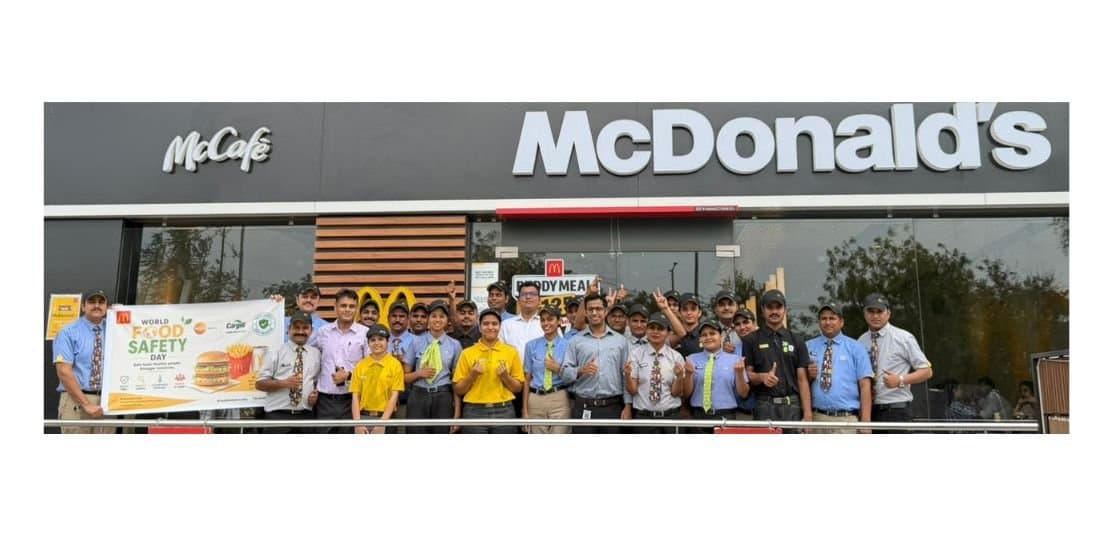
More than 5,000 McDonald’s India restaurant employees got a food-safety refresher built around the tasks that actually decide whether a shift runs smoothly: handling food correctly, keeping hands and surfaces clean, controlling temperatures, and stopping cross-contamination before it starts. The North and East business marked World Food Safety Day with a week of training and awareness sessions across more than 50 cities, turning a global observance into a very local restaurant-floor exercise.
The training covered the basics that crew members and shift managers live with every day, including personal hygiene, sanitation, water safety, oil quality management, pest control, packaging safety and proper storage. In restaurant terms, that means fewer discarded products, less rework and fewer chances for a mistake to turn into a customer complaint or a health issue. It also puts the responsibility where it belongs, on the line, at the prep table and in the storage area, where speed and safety have to coexist.
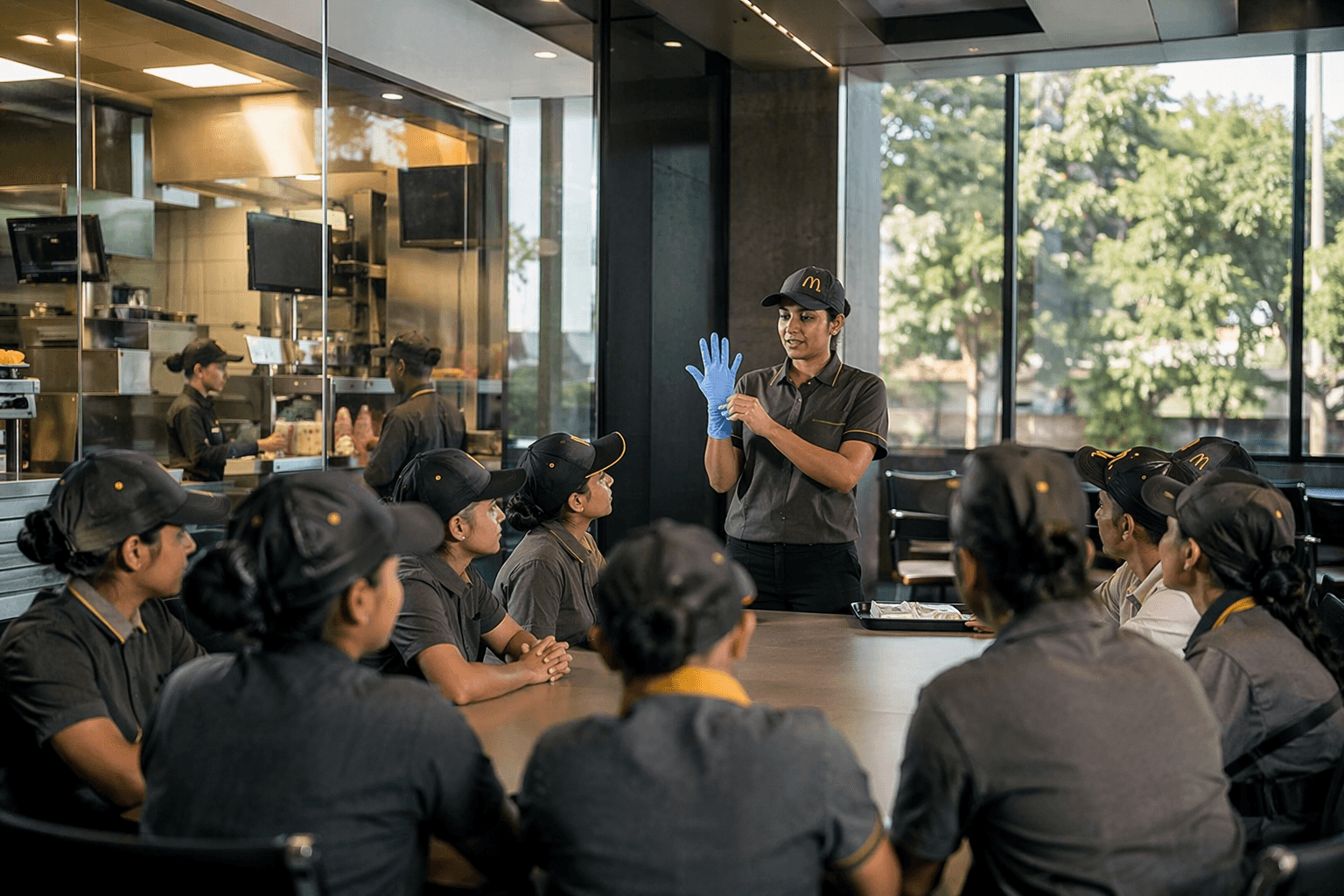
The timing matched World Food Safety Day, observed each year on June 7 by the World Health Organization. The 2026 theme, “From burden to solutions - safe food everywhere,” focused on how data on illness, its burden and lost lives can guide practical action. For McDonald’s workers, that idea shows up in familiar habits: correct holding temperatures, clean tools, clean surfaces, hand hygiene and a constant eye on contamination risks.
McDonald’s India says food safety has long been baked into its operating model. Before the company opened its first restaurant in India, it spent six years building a cold chain with advanced traceability systems. Its public materials say a food safety and management system supports standards across restaurants, while a 2024 McDonald’s India blog described separate storage for veg and non-veg items, glove-and-cap use, antimicrobial hand wash and color-coded towels as part of routine safeguards.
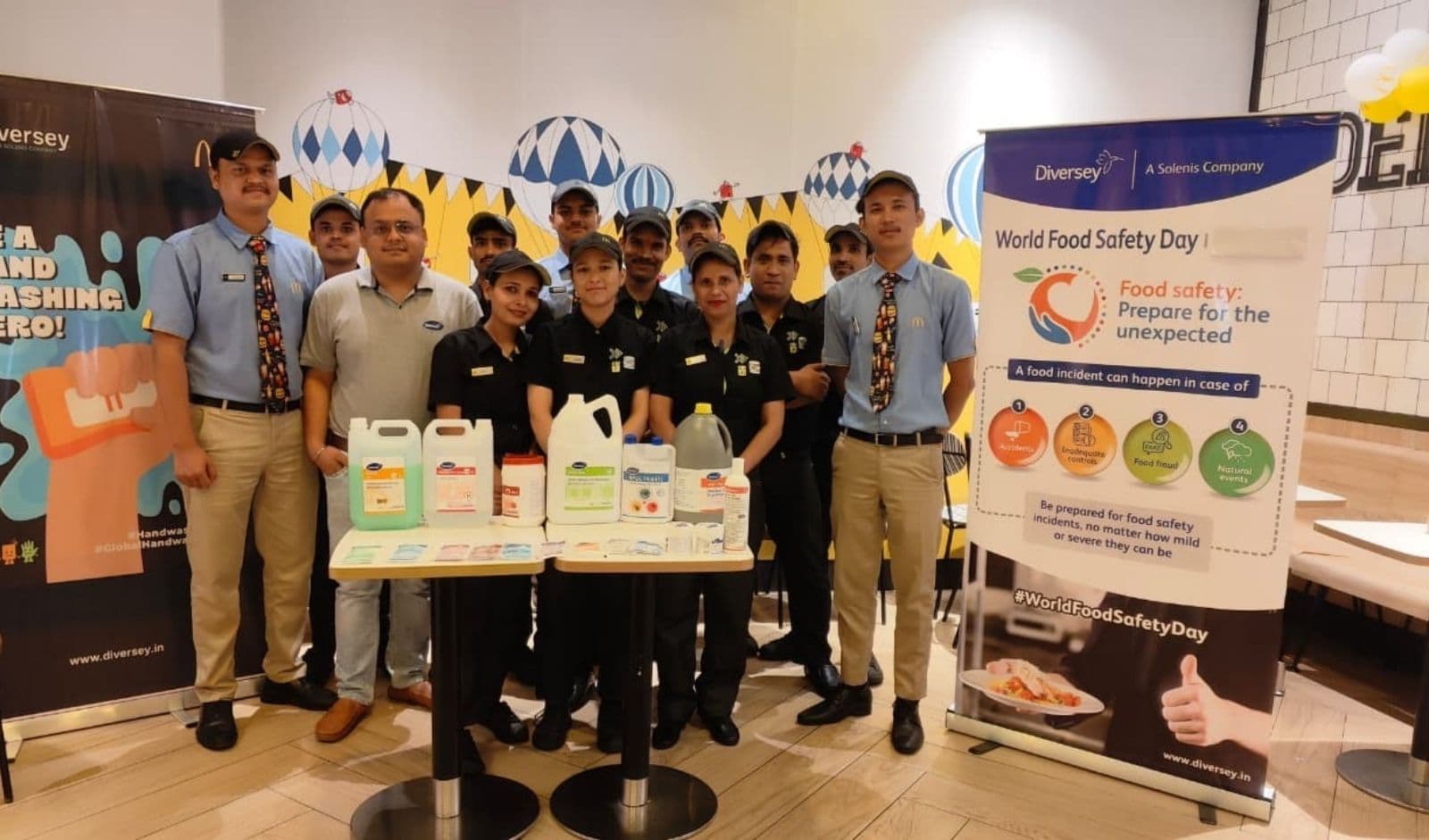
Rajeev Ranjan, managing director of McDonald’s India - North and East, tied the training to the full chain of operations, from sourcing and supply chain management to manufacturing, storage, handling, transportation and restaurant work. The scale matters because the North and East licensee was already planning to grow from 170 outlets to well over 300 over three years, which makes standardized food-safety habits more than a compliance exercise. In stores with rising traffic and tighter labor pressure, the difference between a good shift and a bad one often comes down to whether those habits are second nature.
This article was produced by Prism’s automated news system from verified source data, official records, and press releases, then run through automated quality and moderation checks before publishing. The system is built and supervised by the people who set the standards it runs under. Read our full AI policy.
Did this article answer your question?