McDonald’s Joins Cold-Drink Battle with Refreshers and Crafted Sodas
McDonald’s is turning drinks into its next growth lane, but the push could mean more prep, more bottlenecks, and bigger pressure on busy windows.
McDonald’s is turning drinks into its next growth lane
McDonald’s is moving deeper into the cold-drink race, adding refreshers and crafted sodas as it tries to turn beverages into a traffic engine that can pull in more visits, bigger checks, and younger customers. The move lands in a category that already has chains like Starbucks, Dunkin', Taco Bell, Caribou Coffee, Sonic, Dutch Bros, and Swig fighting for the same afternoon and snack-time drink buyer.
That competition matters inside the restaurant as much as it does on the menu board. Drinks are often more profitable than burgers or nuggets, which is one reason chains keep pushing into the category, but they also add another layer of work for crews already juggling fry baskets, drive-thru timing, kitchen build flow, and mobile orders.
What is coming to the menu
McDonald’s said it will add refreshers and crafted sodas to U.S. menus starting in May 2026, with energy drinks planned for August 2026. Among the drinks reported in the rollout are Mango Pineapple Refresher and Dirty Dr Pepper, along with other premium beverage options that build beyond standard fountain soda.
The company had already tested a broader lineup in 2025, including Strawberry Watermelon Refresher, Popping Tropic Refresher, Creamy Vanilla Cold Brew, and Sprite Lunar Splash. That mix shows where McDonald’s wants to go: cold coffee, fruit refreshers, soda-based custom drinks, and energy-boosting beverages that can be sold as add-ons instead of just standalone items.
For customers, the pitch is simple. The drinks are cold, bright, and designed to look good on social media. For the business, that visual appeal is part of the sales strategy, because colorful beverages can create an extra reason to stop in, especially for Gen Z customers who are already driving a lot of beverage demand across the industry.
Why McDonald’s is making the bet now
McDonald’s has said it is seeing "real momentum in beverages," especially among Gen Z fans, and the company is treating the category as a broader platform rather than a side experiment. That language points to a more serious competitive move: drinks are no longer just a menu add-on, but a way to win the daypart battle outside breakfast, lunch, and dinner.
The company also says the global beverage opportunity is about $100 billion, a huge number that helps explain why the biggest chains are trying to claim a bigger share of cold drinks. Reporting tied to the rollout says McDonald’s plans to price the new beverages below Starbucks, Dutch Bros, Sonic, and other rivals, signaling a value play as much as a novelty play.
That is where McDonald’s history comes back into view. The company used its McCafé push years ago to position itself as a lower-priced alternative to Starbucks after introducing espresso drinks nationwide in 2009. This new beverage move looks like a similar playbook, only aimed at refreshers, crafted sodas, and energy drinks instead of just coffee.
How CosMc’s shaped the strategy
McDonald’s did not arrive at this on impulse. The company tested a slate of premium drinks at more than 500 restaurants in 2025, with select stores in Wisconsin, Colorado, and surrounding areas taking part in the early run. McDonald’s said restaurant teams and owner/operators were "at the heart of this test," which is important because the rollout is not just about what sells, but about what can actually be executed at scale in a fast-food kitchen.
That test also fed off McDonald’s CosMc’s experiment, the beverage-focused concept it later shut down after using it to study demand. The point of CosMc’s was not only to sell drinks, but to learn what customers would pay for, how they would customize, and which beverage occasions could actually drive traffic.
McDonald’s says that test produced growth in incremental occasions across dayparts, higher average checks, and strong results from a Red Bull collaboration. In practical terms, that suggests drinks can do more than fill a cup, they can change when guests visit and how much they spend once they arrive.
What it means for crews on the floor
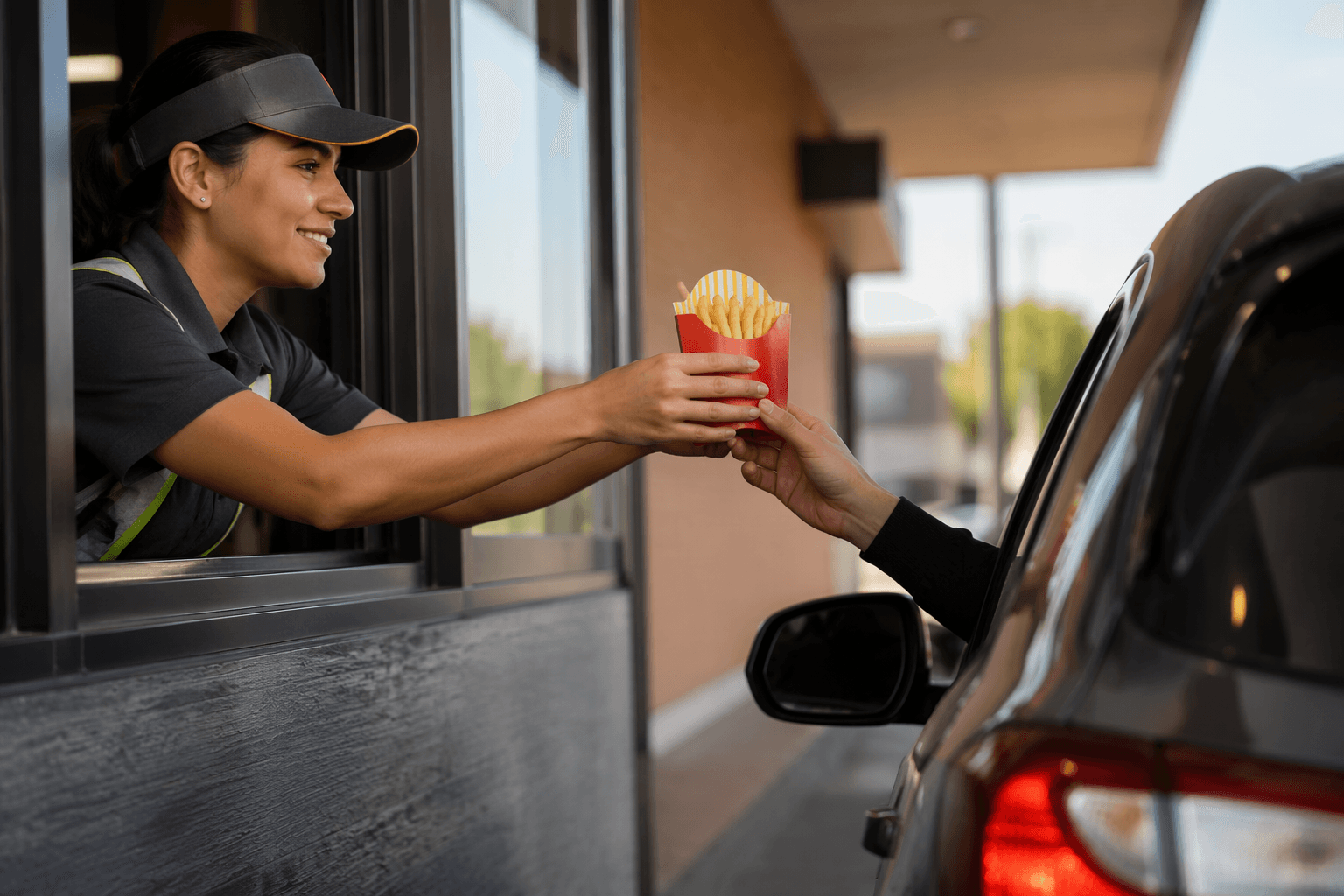
The operational consequences are where this story becomes real for McDonald’s workers. More made-to-order drinks usually means more customization, more line balancing, and more chances for bottlenecks at the drink station or drive-thru window. A beverage menu that looks sleek on a social feed can feel much less sleek during lunch rush if one person is responsible for blending, topping, checking, and handing off drinks while the order screen keeps moving.
Managers should expect more pressure on training, inventory, and presentation standards if the drinks catch on. Premium beverages are often unforgiving, because the cup, garnish, ice, syrup, and mix have to look the same every time or the brand promise falls apart at the handoff.
There is also a franchise cost layer behind the launch. Reporting says franchisees invested thousands of dollars in equipment to prepare the new beverages, which means the expansion is not a light menu tweak. It is a capital decision that can affect store budgets, labor planning, and how much space is devoted to drink prep behind the counter.
Why the competition is so intense
The beverage fight is also a share battle for younger customers who already treat drinks as a purchase category of their own. Chains such as Starbucks, Dunkin', Taco Bell, Caribou Coffee, and Sonic have spent years normalizing colorful, customizable drinks that feel more like a treat than a basic fountain pour.
McDonald’s seems to understand how much social media now matters in that fight. A 2025 social-media report cited by Nation’s Restaurant News found McDonald’s among the most magnetic restaurant brands online, with the chain leading on TikTok. That matters because a drink that photographs well can do two jobs at once: pull a customer into the restaurant and turn that customer into unpaid marketing.
The result is a beverage strategy that reaches far beyond the cup. If McDonald’s can keep prices below specialty rivals, move drinks quickly enough in busy stores, and keep presentation consistent, it could create a new traffic lane that lifts checks without leaning only on burgers and fries. If it cannot, the cost and complexity will land on crews first, which is why this rollout deserves close attention long before the first new drink hits the window.
This article was produced by Prism’s automated news system from verified source data, official records, and press releases, then run through automated quality and moderation checks before publishing. The system is built and supervised by the people who set the standards it runs under. Read our full AI policy.
Did this article answer your question?