McDonald’s leadership chart shows who runs supply, people and operations
McDonald’s org chart is where the real decisions start. If you work the floor, it helps explain who owns supply, staffing, tech and the changes that show up on your shift.

If you want to understand why a menu change, labor rule, app update or supply problem lands the way it does in a McDonald’s restaurant, start with the people who own the levers. The company’s leadership chart is not just corporate wallpaper: it shows where decisions begin in a system that now blends operations, technology, people strategy and marketing across tens of thousands of restaurants. For crew members, managers and franchise employees, that map can explain a lot about why the job keeps shifting under your feet.
Who owns what in the system
At the top sits Chris Kempczinski as chairman and chief executive officer, with Joe Erlinger as president of McDonald’s USA. Below them, McDonald’s names leaders for the functions that most directly shape store life: Warren Anderson oversees global supply chain, Tiffanie Boyd leads global people, Morgan Flatley runs global marketing and new business ventures, Jill McDonald is in charge of global restaurant experience, Desiree Ralls-Morrison handles legal, Emily Reasor leads strategy, and Brian Rice is the global chief information officer. The page also lists Dario Baroni for developmental licensed markets and Manu Steijaert for international operated markets, a reminder that the company’s decisions move differently across the U.S., licensed markets and company-operated international markets.
That structure matters because a problem on the floor rarely belongs to one department. If product is missing, the question points toward supply chain. If staffing, training or retention is the issue, people leadership is in the frame. If an app feature, kiosk flow or digital tool changes how you take orders, information technology is no longer background support. For franchise employees, the org chart is a shortcut for understanding where the answer is likely to come from, and why the answer may arrive in pieces instead of one clean fix.
Why the restaurant experience team changes the rollout path
In March 2025, McDonald’s said it created a new Restaurant Experience Team that pulls together operations, supply chain, franchising, development, restaurant design, delivery and Speedee Labs. That is a big deal for anyone who has watched one team launch a change that another team has to live with on the line. The point of the new structure was to bring innovation to restaurants faster, and it also signals that the company wants more coordination between the people who design systems and the people who carry them out.
On the floor, that can mean a new menu item is not just a marketing decision, a staffing decision or a supply decision. It is all of those at once. A new delivery workflow may affect handoff times, a restaurant redesign may change drive-thru flow, and a technology update may alter how managers coach crews during rush periods. For operators, the value of knowing this structure is simple: it shows why a rollout can feel broad, because the team behind it is broad.
The pressures behind the chart
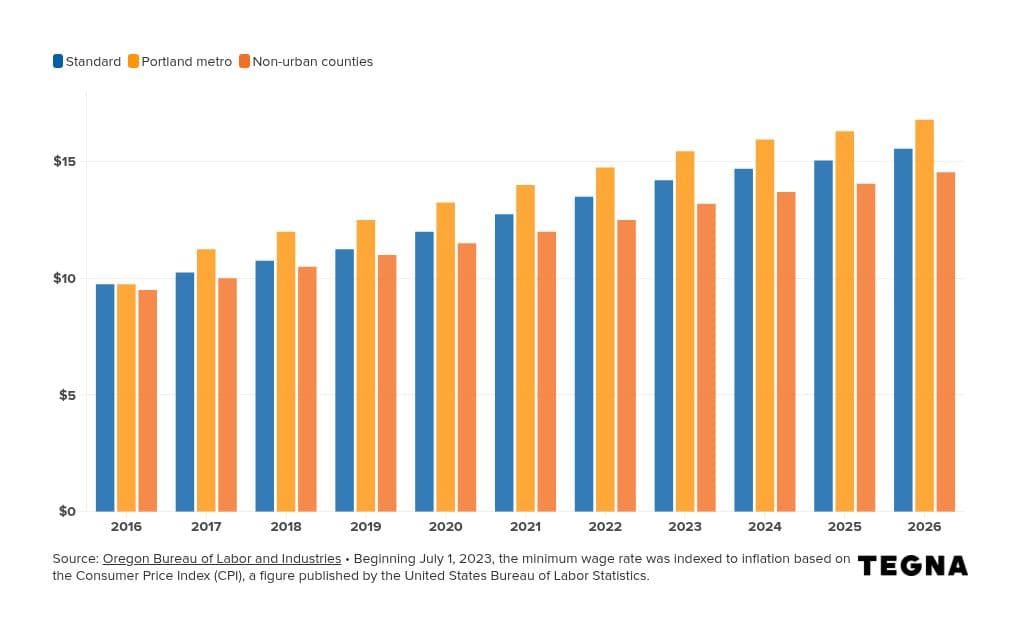
McDonald’s said its 2025 operating environment was shaped by inflation, tighter labor markets and evolving trade dynamics, along with weaker sentiment among lower-income consumers. Those pressures help explain why the company keeps linking value, execution and operational discipline. They also explain why the people side of the business has become so central, especially in an era shaped by the Fight for $15, minimum wage fights and a labor market where restaurants have had to work harder to hire, keep and train people.
That is also where the technology piece comes in. McDonald’s now gives information technology its own executive seat, which tells you digital systems are not just support tools anymore. In a restaurant business where kiosks, app orders, labor scheduling tools and automation keep expanding, tech decisions can affect how many hands are needed at a shift, how fast training happens and what tasks are still human-only. The company is not saying machines replace the crew across the board, but it is clearly treating technology as part of the operating model, not a side project.
McDonald’s has also been explicit that it wants restaurant execution, digital systems and people strategy to work together. That matters in a company this size because one policy rarely moves alone. When a change reaches the grill, the lobby or the drive-thru, it often reflects a cross-functional push that started far above store level.
What the latest results say about the priorities
The leadership chart becomes even more useful when you line it up with the company’s recent business results. In the third quarter of 2025, McDonald’s said it was driving momentum through everyday value and affordability, menu innovation and compelling marketing. That combination tells you which teams are driving the message: marketing shapes demand, strategy frames the value position, and operations has to make sure the promise holds up during the rush.
The fourth quarter and full-year 2025 results sharpened that picture. McDonald’s said global comparable sales rose 5.7% in the fourth quarter, full-year global Systemwide sales rose 7% to over $139 billion, and systemwide sales to loyalty members reached nearly $37 billion across 70 loyalty markets. It also said 90-day active loyalty users rose 19% to nearly 210 million. For stores, that means more traffic shaped by digital offers, more pressure on app-linked promotions, and more need for teams to execute fast without losing accuracy.
That is where the org chart stops being abstract. A loyalty push is not just a marketing headline if it changes when guests arrive, what they expect and which crew stations get hit hardest. A value campaign is not just a brand choice if it changes ticket mix and speed targets. And a company that says it is leaning into value, menu innovation and marketing is telling you where the next round of operational pressure is likely to land.
Why the tech moves and U.S. COO change matter
McDonald’s also made leadership moves in U.S. and global technology on June 17, 2025, another sign that it sees tech leadership as a core operational issue. Then in June 2026, McDonald’s USA created a chief operating officer role for Skye Anderson, bringing together U.S. National Operations, Restaurant Development, McOpCo, U.S. Supply Chain and U.S. Technology into one integrated operations team.
That is the clearest sign yet that the company is reorganizing around execution, not just hierarchy. If you work in a restaurant or run one, it means the people deciding how stores operate are increasingly tied to the people deciding how stores are supplied, built and digitized. It also means the org chart is no longer just a portrait of who reports to whom. It is the blueprint for how McDonald’s wants the next change to reach the floor, and why it is trying to make that path shorter.
This article was produced by Prism’s automated news system from verified source data, official records, and press releases, then run through automated quality and moderation checks before publishing. The system is built and supervised by the people who set the standards it runs under. Read our full AI policy.
Did this article answer your question?