McDonald's leans on limited-time offers to drive traffic and value
McDonald’s is using limited-time offers to sell value, but each new build can mean faster training, tighter line control, and more pressure on crews.
Limited-time offers are becoming a line-level test
McDonald’s is leaning harder on limited-time offers because the company needs traffic, and crews are the ones who have to make that strategy work without letting service slip. What looks like a simple promotion from the lobby can mean a new build, a new prep rhythm, a new rush pattern, and a fresh round of customer questions for the people on the line.
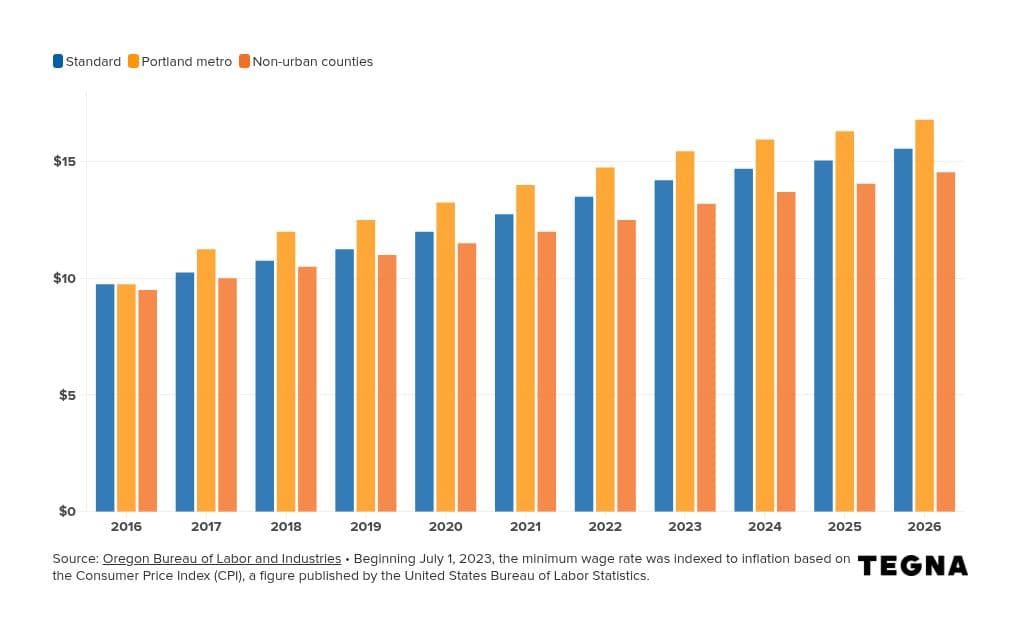
That matters in a workplace already shaped by value wars, tighter labor, and constant pressure to move quickly. In a labor market still influenced by Fight for $15 campaigns, minimum wage fights, and growing interest in automation, every new menu item raises the same old question for workers: does the system make the job easier to execute, or does it just add another layer of complexity to an already busy shift?
Why McDonald’s keeps turning to LTOs
The broader restaurant business is using limited-time offers as more than seasonal marketing. Restaurant Dive described the trend as a response to consumers who want healthier options, novelty, and a clear value proposition, while also pointing to GLP-1s, international crises, and changing habits that are pushing brands to keep the menu feeling fresh. In that frame, the LTO is not a stunt. It is a traffic tool, a demand test, and a way to stay visible when diners are pickier about where they spend.
McDonald’s has made the same logic central to its own playbook. In February 2025, Chris Kempczinski said the company was focused on “outstanding value, exciting menu innovation and culturally relevant marketing,” while McDonald’s reported global systemwide sales of over $130 billion in 2024, loyalty-member sales of about $30 billion, and more than 175 million 90-day active loyalty users across 60 loyalty markets. By the third quarter of 2025, Kempczinski said the chain was “fueling momentum” with everyday value and affordability, menu innovation, and marketing that keeps customers coming through the door.
For workers, that corporate language translates into a practical reality: McDonald’s is trying to win on both value and novelty at the same time. That usually means more promotions, more product resets, and more pressure to make each launch look seamless even when the kitchen is absorbing another change.
What a new item means on the shift
Every LTO has a backstage cost. New ingredients have to be stored, rotated, and tracked. New assembly steps have to be taught quickly enough that the item can move at peak volume without wrecking the ticket flow. New promotion timing can also create demand spikes that hit the line all at once, especially when customers hear about a return item and show up immediately.
That is why these launches can feel deceptively simple from the outside and disruptive on the inside. A crew member may need to learn a new build in days rather than weeks. A manager has to keep inventory aligned, make sure the team is communicating on line, and prevent the excitement of a promotion from turning into a scramble during lunch or dinner rush.
McDonald’s annual report gives that strain a wider business context. The company said persistent inflation, tighter labor markets, geopolitical tensions, and broader uncertainty were weighing on consumers, especially lower-income households. In that environment, value offers are not just nice to have. They are part of the company’s effort to keep traffic up while customers are watching every dollar.
Value, not just novelty, is the point
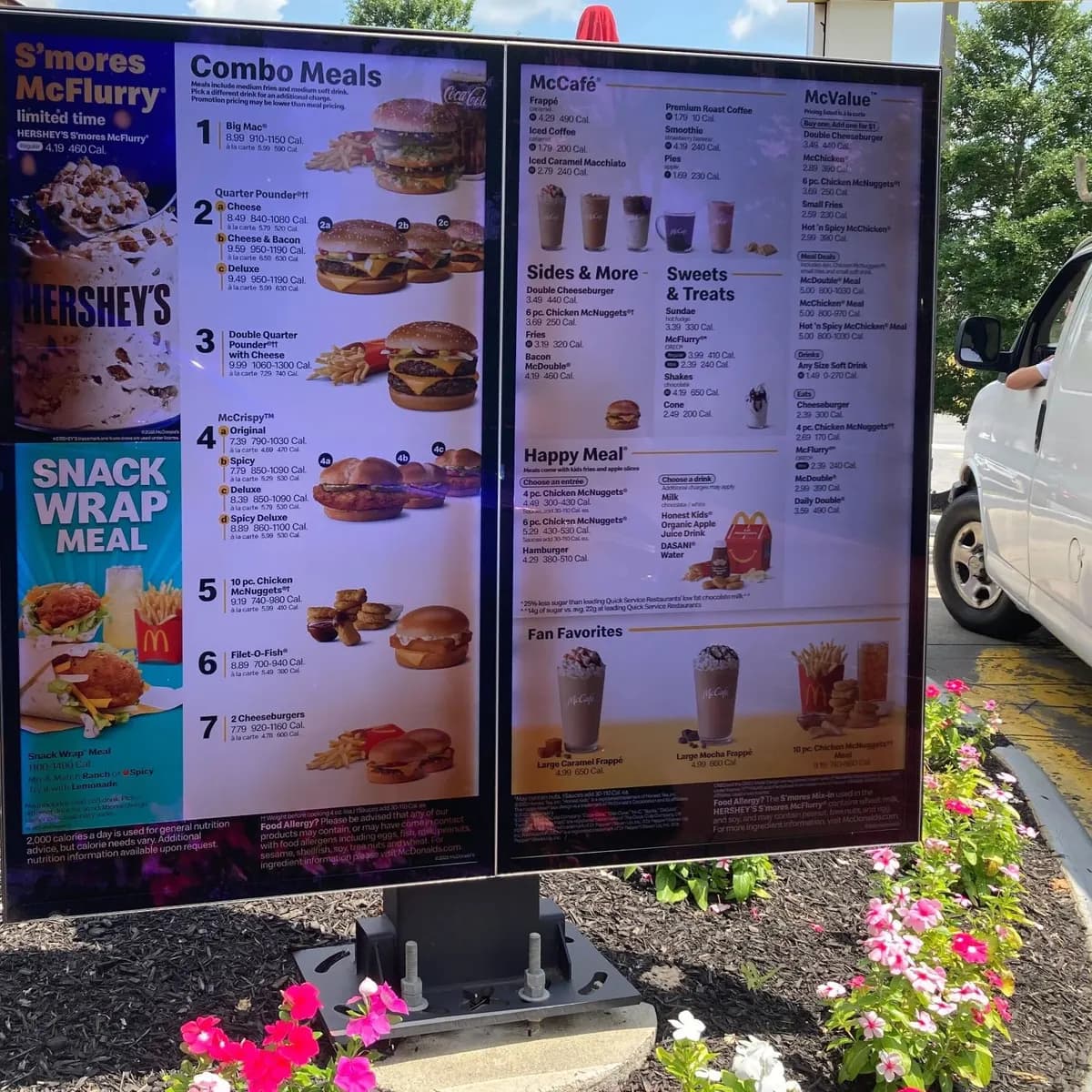
McDonald’s is not relying on hype alone. The company launched McValue early in 2025 as an everyday value platform in the United States, then brought back Extra Value Meals in September 2025 to reinforce that message. In the company’s own framing, value is now a standing part of the business, not a side lane.
That creates a specific kind of pressure for restaurants. Value items are supposed to be easy for customers to understand and fast for crews to execute. But when value is paired with rotating novelty, the workload changes quickly. Workers have to memorize offers, explain them clearly, and keep the build consistent while still moving volume.
The result is a workplace where the menu may look familiar on paper but feels more complicated at the counter. The company is trying to make the offer straightforward for guests, yet the burden of making it feel smooth falls to the shift.
The return of fan favorites tells the story
McDonald’s has also leaned into nostalgia as a traffic driver. On June 3, 2025, the company said the Snack Wrap would return to U.S. restaurants on July 10, a move that showed how strongly a long-missed item can still pull customers back in. The message was clear: fan demand can be turned into traffic, and the return of a familiar product can be as powerful as a brand-new one.
The same pattern shows up in McDonald’s seasonal playbook. The company said the Shamrock Shake would be sold from February 10 to March 23, 2025, at participating U.S. restaurants, with 25 cents from every shake sold donated to Ronald McDonald House Charities and local chapters. McDonald’s also noted that fans once created a website just to track Shamrock Shake availability before the company later made it easier to find through its app. That is what a successful LTO looks like when it breaks out of a promo cycle and becomes part of the brand’s culture.
McDonald’s also said in 2026 that it was launching new specialty drinks, building on fan interest in returning beverages such as Hi-C Orange Lavaburst. The pattern is consistent: return items, seasonal items, and specialty drinks are all being used to keep the menu lively enough to generate urgency.
Why the franchise system makes execution harder
McDonald’s says about 95% of its more than 44,000 restaurants in over 100 countries are owned and operated by independent local business owners. That matters because an LTO is never just a corporate idea. It has to be executed by franchisees, managers, and crews who may be dealing with different labor pressures, staffing levels, and supply chain realities from market to market.
That structure can sharpen the gap between corporate ambition and store-level capacity. A campaign that looks efficient in Chicago can still create friction at store level if a franchise is short-staffed, if a shift leader is training new hires, or if a region is dealing with uneven product flow. The company can frame the promotion as simple and customer-friendly, but the real test is whether the people on the line have enough time, staffing, and repetition to absorb it.
For employees, that is the real takeaway from McDonald’s current strategy. The company is not treating limited-time items as occasional distractions anymore. It is using them as a core traffic engine, alongside value platforms and marketing. That means more menu churn is likely to remain part of the job, and the question for workers is whether the systems around them are built to carry that churn, or whether the stress keeps getting passed down to the shift.
This article was produced by Prism’s automated news system from verified source data, official records, and press releases, then run through automated quality and moderation checks before publishing. The system is built and supervised by the people who set the standards it runs under. Read our full AI policy.
Did this article answer your question?