McDonald's managers weigh Gen Z training tactics for faster onboarding
McDonald’s is learning that younger crew members need training that looks like the job: short, visual, and mobile, or they will quit before the rush.
At McCormick Place in Chicago, managers were talking about a problem every McDonald’s shift leader recognizes: how to teach a new hire fast enough that the lunch rush does not expose the gap. A May 17 panel at the National Restaurant Association Show put Gen Z training front and center, and the lesson was blunt: younger workers are far less patient with long, text-heavy onboarding than the old restaurant playbook assumes.
Why the old training model is losing its grip
The panel’s core message was simple. Gen Z workers, who are digital natives, expect training to feel fast, visual, and relevant, not like a lecture before the real work starts. Qdoba’s approach, which organizers described as resembling a social feed, lets employees scroll through videos the way they would on TikTok. First Watch took a different tack, telling trainers to think like a line cook and strip out unnecessary backstory so the lesson gets to the point.
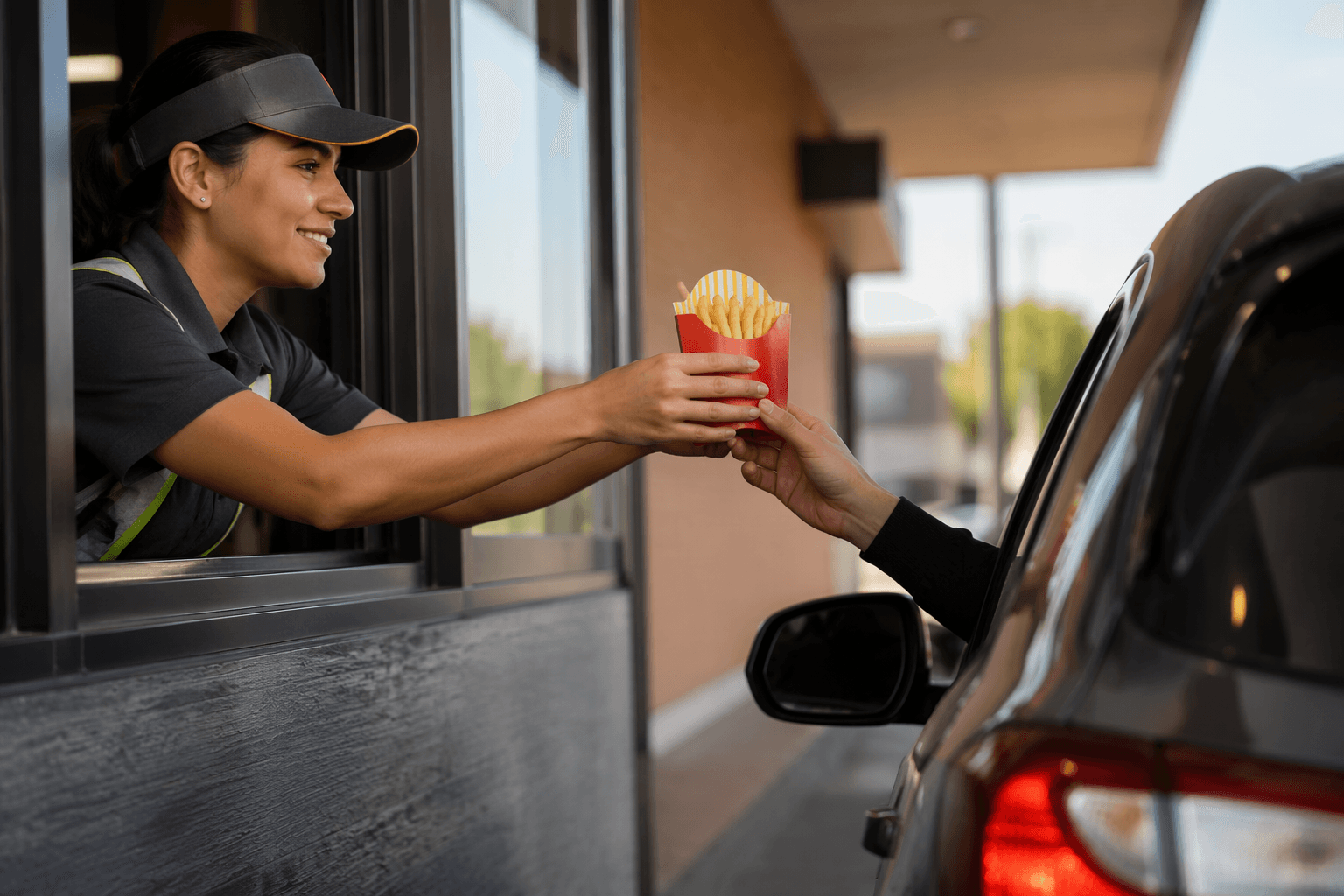
That matters because training is not just a compliance box for a brand like McDonald’s. It determines how quickly a hire can fry, assemble, take orders, handle a drive-thru surge, and avoid mistakes that slow down the whole line. When training drifts into long passages of explanation, it competes with the reality of restaurant work, where someone is expected to learn while hearing timers, holding a headset, and watching a screen fill with orders.
The Gen Z piece is not a sideshow either. One-third of the global workforce is projected to be Gen Z by 2030, which means the habits these workers bring with them will shape how fast restaurant operations can build reliable teams. In a business where turnover is always expensive, any training format that gets a new hire comfortable sooner has a direct effect on retention, safety, and the odds that the shift does not unravel during a rush.
What actually works on the floor
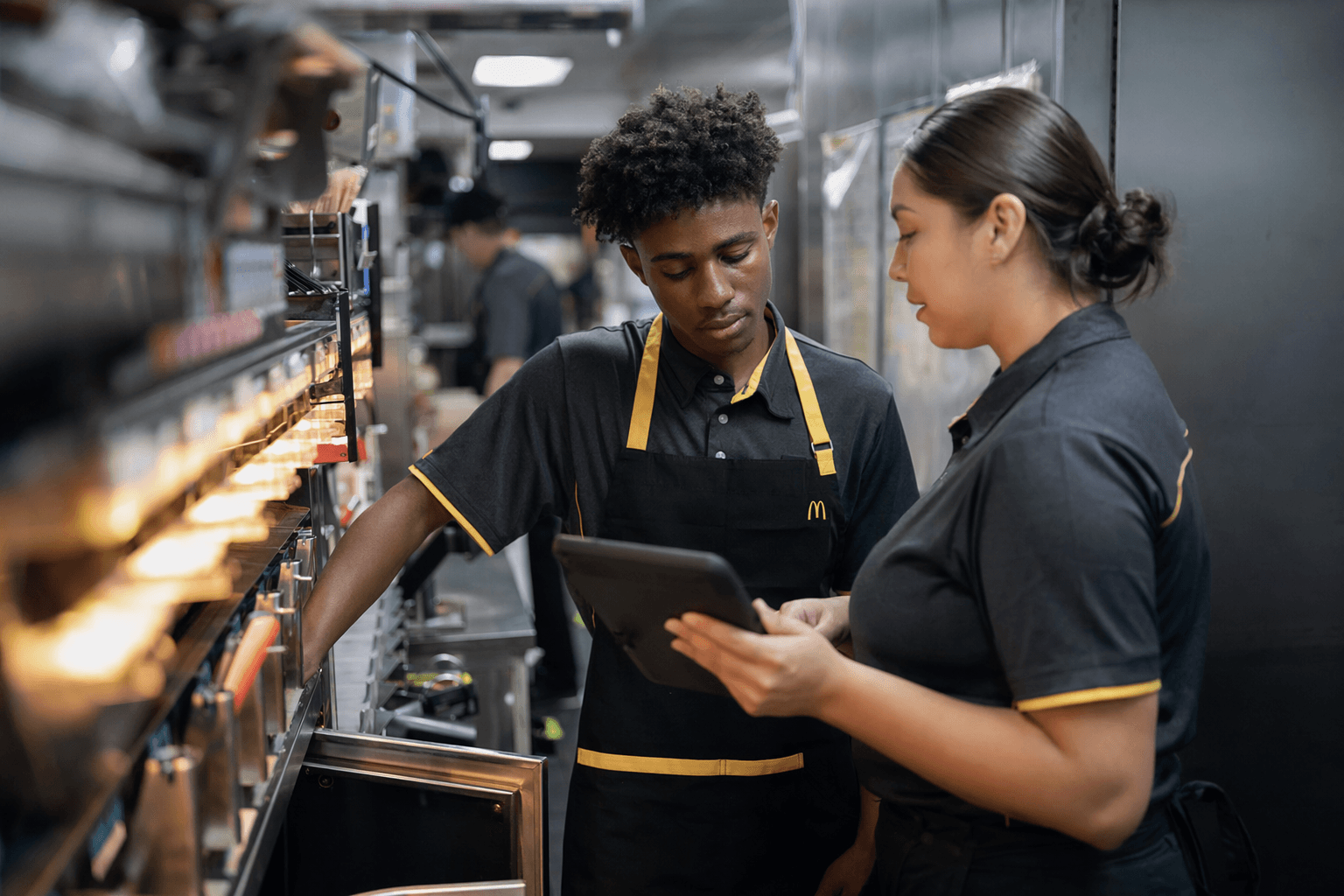
The best ideas from the panel are not flashy. They are practical. Short-form video works because it matches how many younger workers already process information. Peer coaching works because restaurant jobs are physical and immediate, and a new crew member often learns faster by watching a seasoned trainer do the task once, then repeating it with corrections. Mobile-first modules work because a worker can revisit the lesson on a phone in the break room or before a shift, instead of trying to remember a classroom packet from last week.
Gamified feedback can also help, but only if it measures something real. In a kitchen or at the counter, that means showing progress on tasks that matter: speed at the grill, accuracy at assembly, clean handoffs at service, or the ability to move through order taking without getting flustered. The point is not to turn restaurant work into a game. It is to give new hires a visible sign that they are getting better at the actual job.
For McDonald’s managers, that translates into a simple design rule: show the task, then practice the task, then check the task again later. The more the training looks like the shift itself, the less likely it is to break down when the store gets busy. That is especially important for first-time workers, part-time employees, and people who have never worked in a kitchen before.
Why McDonald’s cannot afford slow onboarding
McDonald’s is not a small test case. In its 2024 annual report, the company said the McDonald’s System includes over two million employees and crew, and global systemwide sales exceeded $130 billion. At year-end 2024, the company said it had more than 150,000 corporate employees worldwide, with about 70% based outside the United States. That scale makes every training decision bigger than it looks on paper.
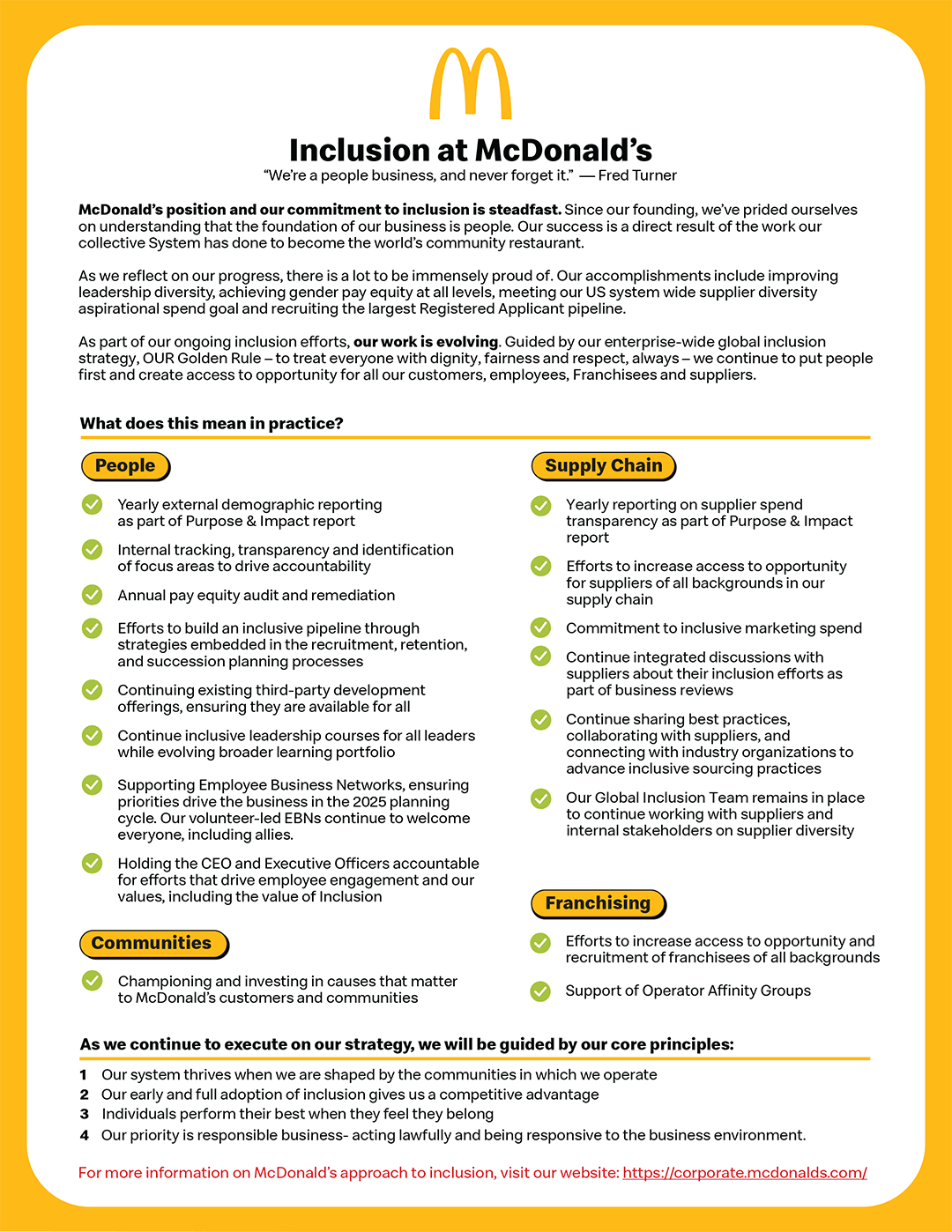
The company has also already said where it wants to go. McDonald’s says it is transitioning talent processes to a digital format as part of creating a seamless, personalized employee experience, and it says a best-in-class employee experience, where people are given opportunities to learn and develop, is a business imperative. That language sounds corporate, but the operational meaning is plain: if training is clunky, the store feels it first.
McDonald’s own crew trainer and coach resources show how operational that training has to be. The station-specific guides cover fries, fryer, grilling, breakfast, beverages, desserts, assembly, food safety, service, and order taking. That is not abstract learning. It is the work of getting a new person reliable enough that a shift manager can trust them when the line is full and the headset will not stop buzzing.
There is also a long arc here. McDonald’s opened its first restaurant in Des Plaines, Illinois, in April 1955, and the brand has spent decades refining how it teaches people to do repetitive work at massive scale. The question now is whether the next generation of crew will tolerate the old format long enough to stick around.
The bigger labor pressure behind the training debate
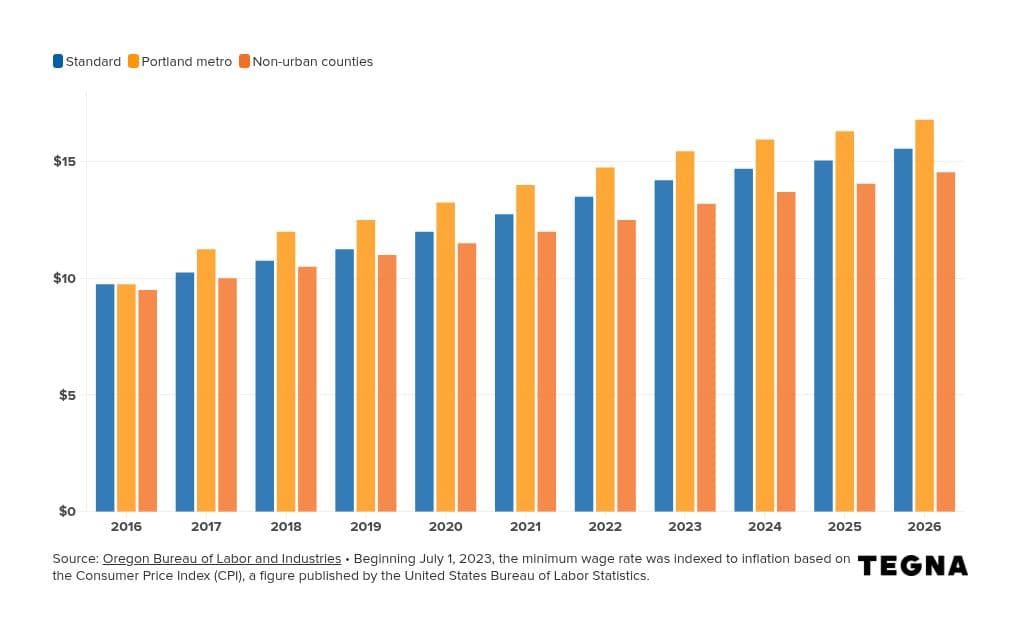
This is not just about style. It sits inside a labor market that has been shaped by the Fight for $15, minimum wage fights, and growing pressure on employers to show that entry-level jobs can lead somewhere. If a worker is going to stay through the grind of a restaurant shift, training has to do more than explain rules. It has to make the job feel learnable, and the path to competence has to feel short enough to matter.
That is also why McDonald’s has been pushing digital learning for years. In 2022, the Aspen Institute said the company was using technology to improve customer service and “democratize learning” across its workforce, with Bethany Tate Cornell part of that discussion. In December 2023, McDonald’s and Accenture said Accenture would help train and support McDonald’s global workforce through learning-and-development programs, online courses, and boot camps aimed at building AI, data, and edge-computing skills.
Taken together, the message is clear. McDonald’s is already moving its talent systems toward a more digital model, but the real test is whether that digital layer helps a crew member become dependable faster on a real shift. The brands that win will be the ones that stop treating onboarding like paperwork and start treating it like the first tool of retention, safety, and service speed.
This article was produced by Prism’s automated news system from verified source data, official records, and press releases, then run through automated quality and moderation checks before publishing. The system is built and supervised by the people who set the standards it runs under. Read our full AI policy.
Did this article answer your question?