McDonald’s Next design teases modern remodels, bigger play areas
McDonald’s Next puts a larger enclosed playplace and new pickup points into future remodels, reshaping crew traffic, cleaning and staffing on the floor.
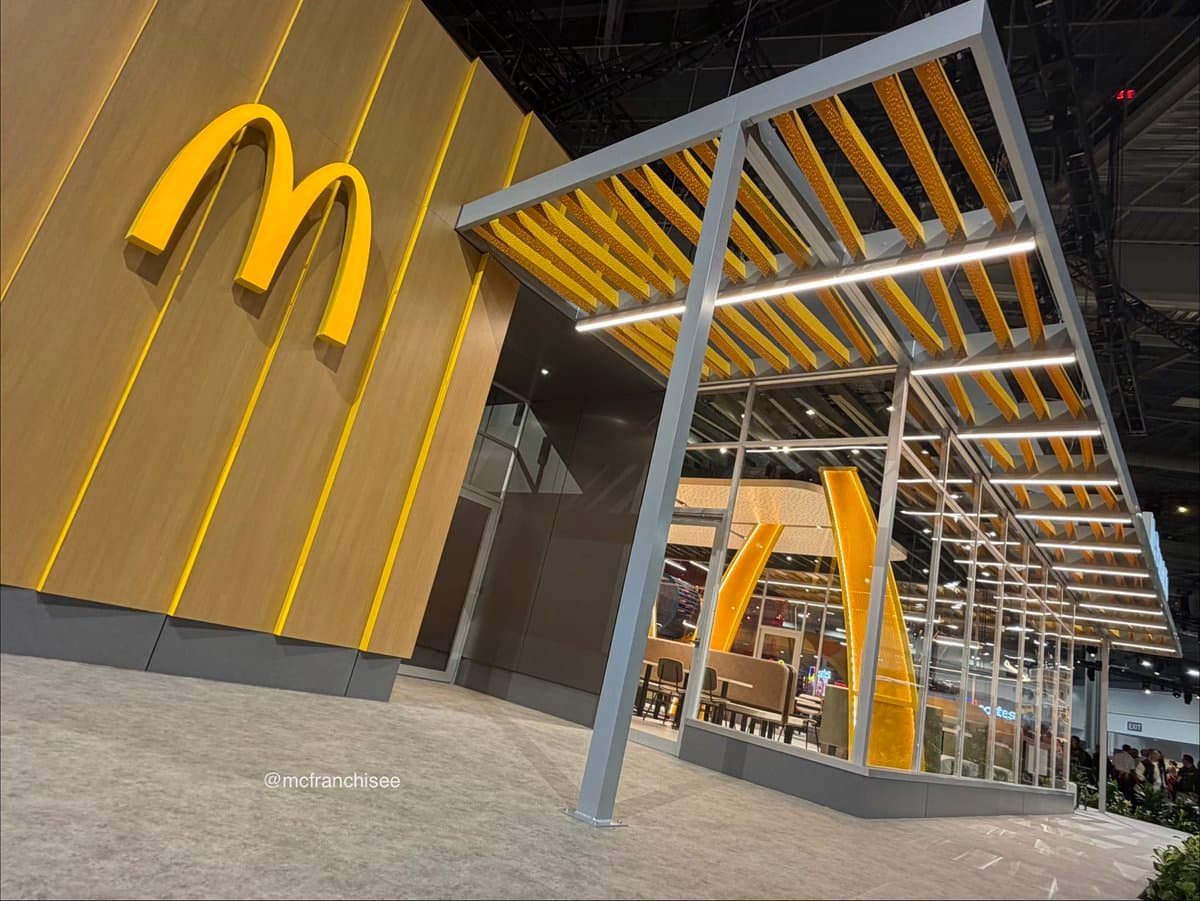
McDonald’s is putting play space back at the center of its remodel plans, and that change reaches far beyond the dining room decor. The new McDonald’s Next prototype pairs a large enclosed playplace visible from the dining room with expanded seating, self-service pickup stations, outdoor dining and digital ordering, a setup that will change how crews move through the store and how managers staff it.
The company unveiled the design at its Worldwide Convention for franchisees in Las Vegas on June 1, 2026, where it framed McDonald’s > NEXT as the strategy for its next era of growth and productivity. McDonald’s says the plan rests on four pillars: menu, consumer, restaurant and people/hospitality. In practical terms, the new restaurant design is meant to show up in future remodels alongside menu upgrades, technology changes and customer-service shifts.

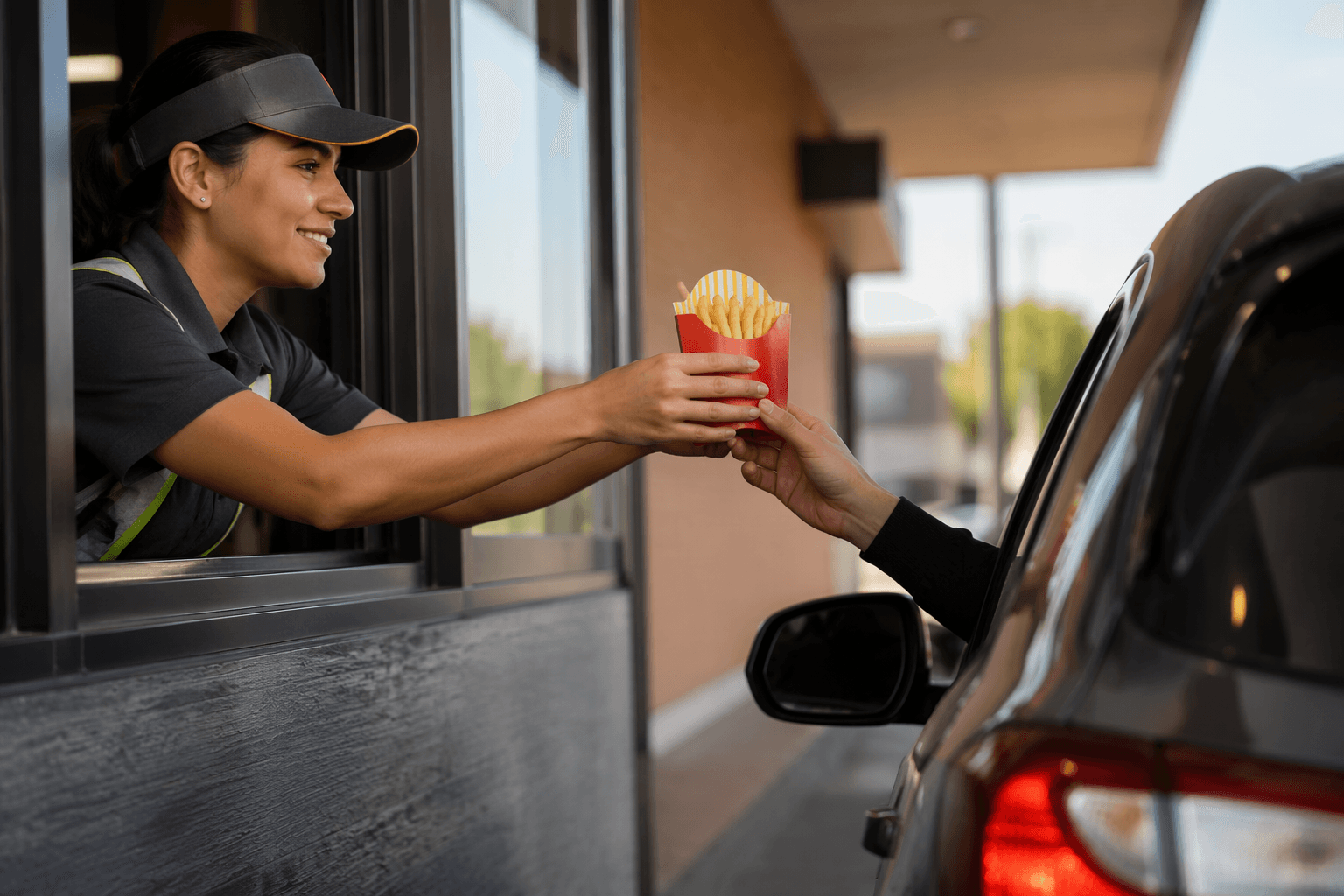
For workers, the most immediate effect of that layout may be on the rhythm of the shift. A bigger enclosed play area visible from the dining room adds another zone that needs monitoring, cleaning and upkeep, especially during lunch and dinner rushes when children are moving between tables and the play space. Self-service pickup stations and digital ordering can cut some counter traffic, but they also create new handoff points that can become congestion spots if stores are short on labor or if orders stack up.
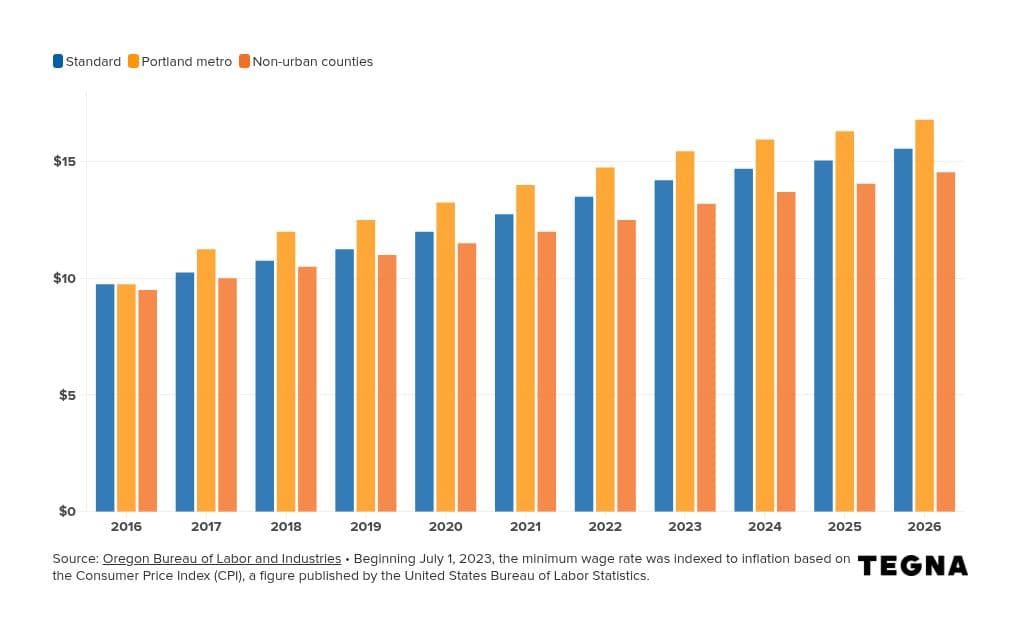
That matters in a system where McDonald’s says more than 38,000 restaurants in 120 countries are mostly run by independent franchisees, with about 14,000 in the United States. About 95% of the chain’s restaurants worldwide are owned and operated by local business owners, which means the cost and staffing decisions around a remodel will largely be made by operators who have to balance brand standards with wages, maintenance and labor availability. In a labor market still shaped by Fight for $15 campaigns and minimum wage fights, any redesign that adds work without adding hours can quickly become a pressure point on the floor.
McDonald’s has been modernizing for years under its Experience of the Future program, saying more than 11,620 U.S. restaurants had been remodeled since 2010 in one development brochure. The company’s broader message is that it wants customers to get both hospitality and speed, and both taste and convenience. The new prototype suggests McDonald’s still sees family dining, not just drive-thru and app orders, as part of that equation.
This article was produced by Prism’s automated news system from verified source data, official records, and press releases, then run through automated quality and moderation checks before publishing. The system is built and supervised by the people who set the standards it runs under. Read our full AI policy.
Did this article answer your question?