McDonald’s nostalgia menu items drive summer traffic and store pressure
McDonald’s nostalgia drops can lift traffic fast, but they also tighten the screws on crews, stock and speed. The return of Fried Apple Pie is the latest test.

McDonald’s has turned nostalgia into a summer traffic strategy, and crews feel the effects the moment customers start showing up already wanting the item. The company’s returning favorites now sit in the same lane as limited-time offers and national marketing pushes, which means a “throwback” launch is never just a menu story. It is a labor story, a stock story and a speed story.
That is the real takeaway from the June 17 fast-food roundup that put McDonald’s alongside Dairy Queen, Burger King and Pizza Hut in a broader ’90s nostalgia wave. When guests are primed before they arrive, stores get more questions, more urgency and more pressure to execute the promotion cleanly across drive-thru, front counter and delivery. For crew members, that can mean a shift that looks ordinary on the schedule and feels anything but ordinary once the item is back in the news.
Why nostalgia items matter on the floor
Throwback promotions can be deceptively simple. The item is familiar, which can make it seem like the hardest part is over, but limited-time offers are often where operations get squeezed. Supplies can be tight, instructions can change fast and guests tend to arrive with expectations already set by social media, TV coverage or app messaging.
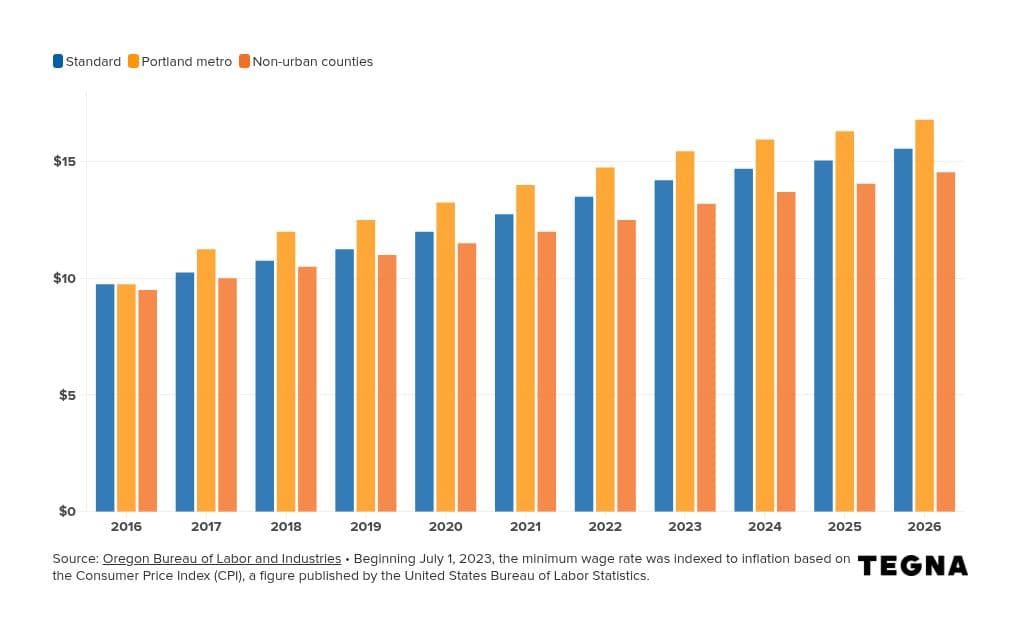
That leaves frontline teams to absorb the practical fallout. Crew members need quick answers on whether the item is available, managers need to stay on top of inventory and franchisees need to know whether they are dealing with a local test, a national promotion or a while-supplies-last push. In a business already balancing labor pressure, minimum wage debates and the slow creep of automation into service work, nostalgia can become one more demand layered onto the shift rather than a break from the usual grind.
McDonald’s has been building this playbook for a while. Its official U.S. menu-spotter page frames new items, returning favorites and limited-time offers as part of the company’s standing menu-news operation, which tells you how central this has become to the brand. The message to the public is that these items are fun comebacks. The message to the restaurant is that every comeback has to be staffed, stocked and served at speed.
McDonald’s has already tested the appetite for returns
The company’s 2025 nostalgia runs showed how powerful the formula can be. McDonald’s brought back the Snack Wrap to U.S. restaurants on July 10, 2025, after fans had pushed for its return for years. A month earlier, the company launched McDonaldland with a Signature Meal and specialty shake on August 12, 2025, leaning into characters it described as “legendary, timeless and cherished by McDonald’s fans across generations.”
Those launches were not just branding exercises. They were traffic plays aimed at turning memory into visits, and visits into bigger checks. When a customer wants a product badly enough to come in specifically for it, the store can pick up extra add-ons, but it can also get hit with a rush that exposes weak spots in staffing or prep. That is where the gap between corporate messaging and store reality opens up: headquarters gets the nostalgic halo, while the crew has to keep the line moving.
The Fried Apple Pie return raises the stakes again
The newest example is the Fried Apple Pie, announced June 16, 2026, to return June 23 for a limited time. McDonald’s is pairing the launch with a 35-foot Fried Apple Pie display tied to America’s 250th birthday celebrations, making it clear the company wants more than a product relaunch. It wants an event.
For restaurants, that kind of promotion is a double-edged sword. A familiar dessert can be a clean upsell and a reason for customers to tack on fries, drinks or a full meal. But if the product sells faster than expected, stores can run into the same problems that haunt any high-demand limited-time item: uneven supply, slower assembly, guest disappointment and extra pressure on the manager trying to explain why a promised item is not ready.
McDonald’s first-quarter 2026 results help explain why the company keeps leaning on this playbook. The company said global systemwide sales grew 6%, and it pointed to value leadership, breakthrough marketing and menu innovation as central to performance. In other words, nostalgia is not being treated as side entertainment. It is part of the sales engine.
What this means for franchisees and corporate stores
The operational burden does not land evenly. Franchise operators have to reconcile national marketing with local staffing and supply realities, and corporate stores have the same execution problem with less room to improvise. A nostalgia launch can boost sales targets, but only if the restaurant can keep pace when the item starts moving faster than the schedule predicted.
Managers should treat these promotions like a real event, not a casual add-on to the shift. That means checking inventory early, making sure the crew knows the exact product rules and getting ahead of the questions that always come when a returning favorite hits the news. The more the company leans into familiarity, the less patience guests tend to have for confusion at the window.
- Know whether the item is national, local, app-only or limited by supply.
- Refresh the team on prep steps before the rush starts.
- Watch for add-on sales that can slow the line if the store is understaffed.
- Keep the messaging consistent so guests are not hearing three different answers from three different people.
These launches also sit inside a broader McDonald’s labor conversation. When the company drives traffic with limited-time items while simultaneously investing in automation and looking for efficiency in the back and front of house, crews are left to absorb the friction of both trends at once. That is why nostalgia can feel like a win from the boardroom and a scramble on the floor.
Burger King is using the same summer logic
McDonald’s is not alone in this approach. Burger King brought back Crown Nuggets on June 2, 2026 as a limited-time item available while supplies last, selling them as an 8-piece order and as part of a $3.99 King Jr. Meal. Burger King’s summer menu release also described the lineup as mixing bold and nostalgic flavors, which shows how broadly this strategy is being used across the category.
That matters because it confirms this is not a one-off McDonald’s stunt. Fast-food chains are reaching for the same emotional trigger at the same time, and that puts a premium on execution. If guests are chasing memory, then the restaurants serving them need to be ready for the traffic that memory creates.
For McDonald’s crews and franchisees, the lesson is straightforward: nostalgia sells best when the operation can keep up. If the item returns cleanly, it can lift traffic and baskets. If the store is not ready, it becomes another reminder that in fast food, the hardest part of a “simple” promotion is often everything around the product itself.
This article was produced by Prism’s automated news system from verified source data, official records, and press releases, then run through automated quality and moderation checks before publishing. The system is built and supervised by the people who set the standards it runs under. Read our full AI policy.
Did this article answer your question?