McDonald’s operators brace for July 1 wage hikes across multiple states
July 1 wage hikes will force McDonald’s operators in Alaska, D.C. and other markets to reset pay, tipped-wage math and hiring ads store by store.

McDonald’s operators in Alaska, Washington, D.C., Oregon and other wage-sensitive markets will have to reset pay scales before July 1, when a new round of state and local minimum wage increases takes effect. For crew members, that can mean a fresh posted wage range, a tighter gap between new hires and veteran shift leaders, and, in tipped markets, a different take-home calculation on the schedule and payroll side.
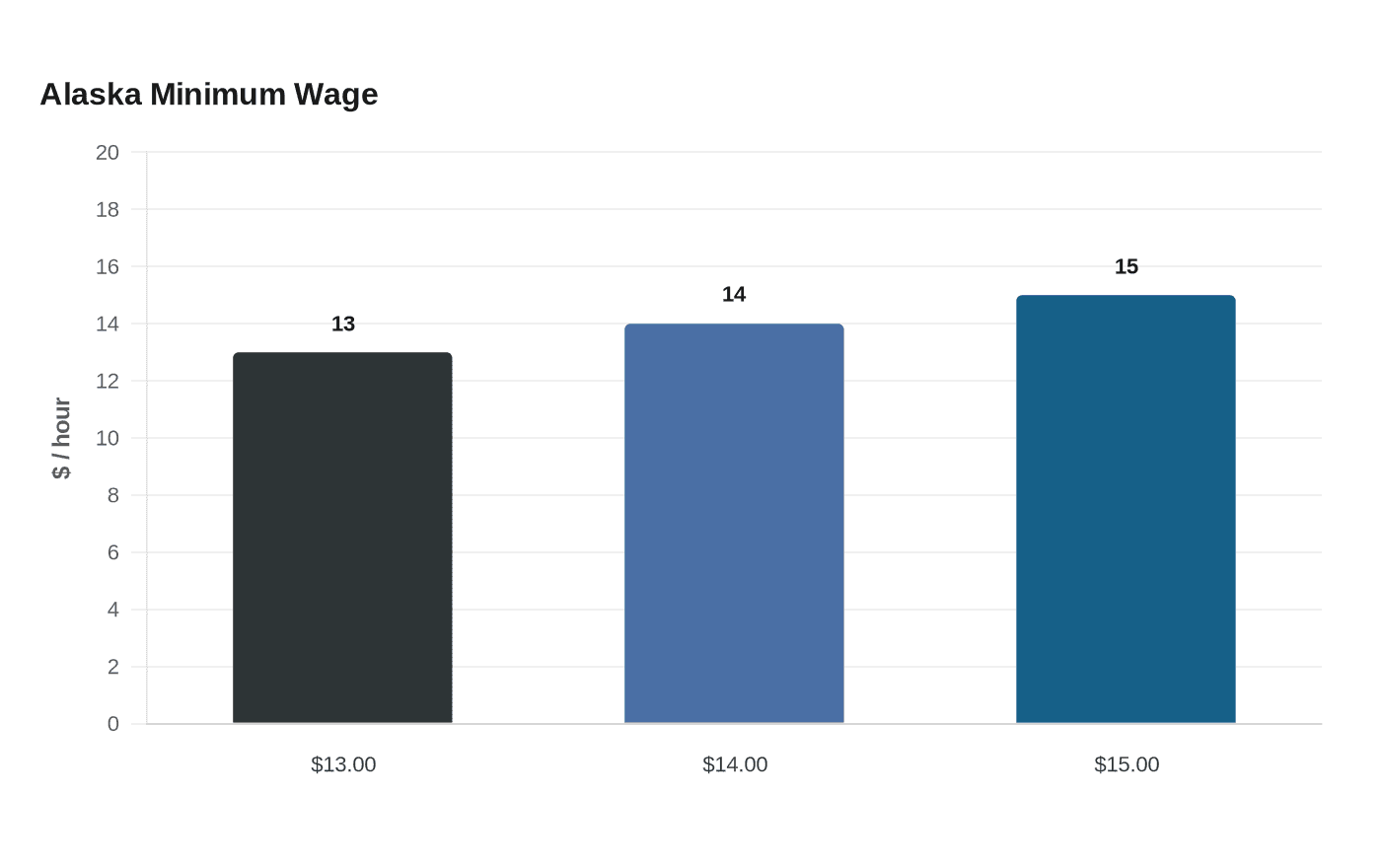
The sharpest reset will come in Alaska, where the minimum wage will rise from $13.00 to $14.00 an hour on July 1, then to $15.00 on July 1, 2027 before inflation indexing resumes in 2028. The Alaska Department of Labor and Workforce Development says the law applies to all hours worked in a pay period regardless of how the employee is paid, which means operators cannot treat the increase as a simple menu-line edit. In Washington, D.C., the standard minimum wage will rise to $18.40 an hour and the tipped minimum wage will rise to $10.30, with employers required to make up any shortfall if tips plus base pay do not reach the full minimum wage.

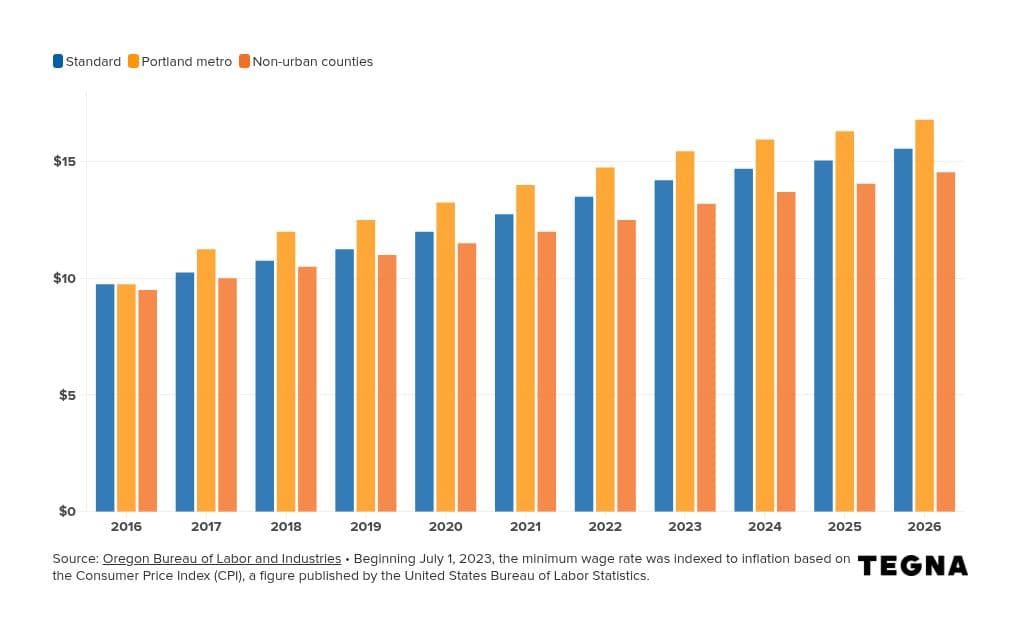
Oregon will also move on the same date, after the Bureau of Labor and Industries announced its 2026 rates in April under the state’s CPI-based annual formula. The District of Columbia Department of Employment Services said the tipped wage change follows a 2.4% increase in the Consumer Price Index in 2025. National Law Review said the July 1 round also reaches multiple California localities, Florida, Illinois, Maryland and other jurisdictions, including related changes in the minimum cash wage for tipped workers where applicable.
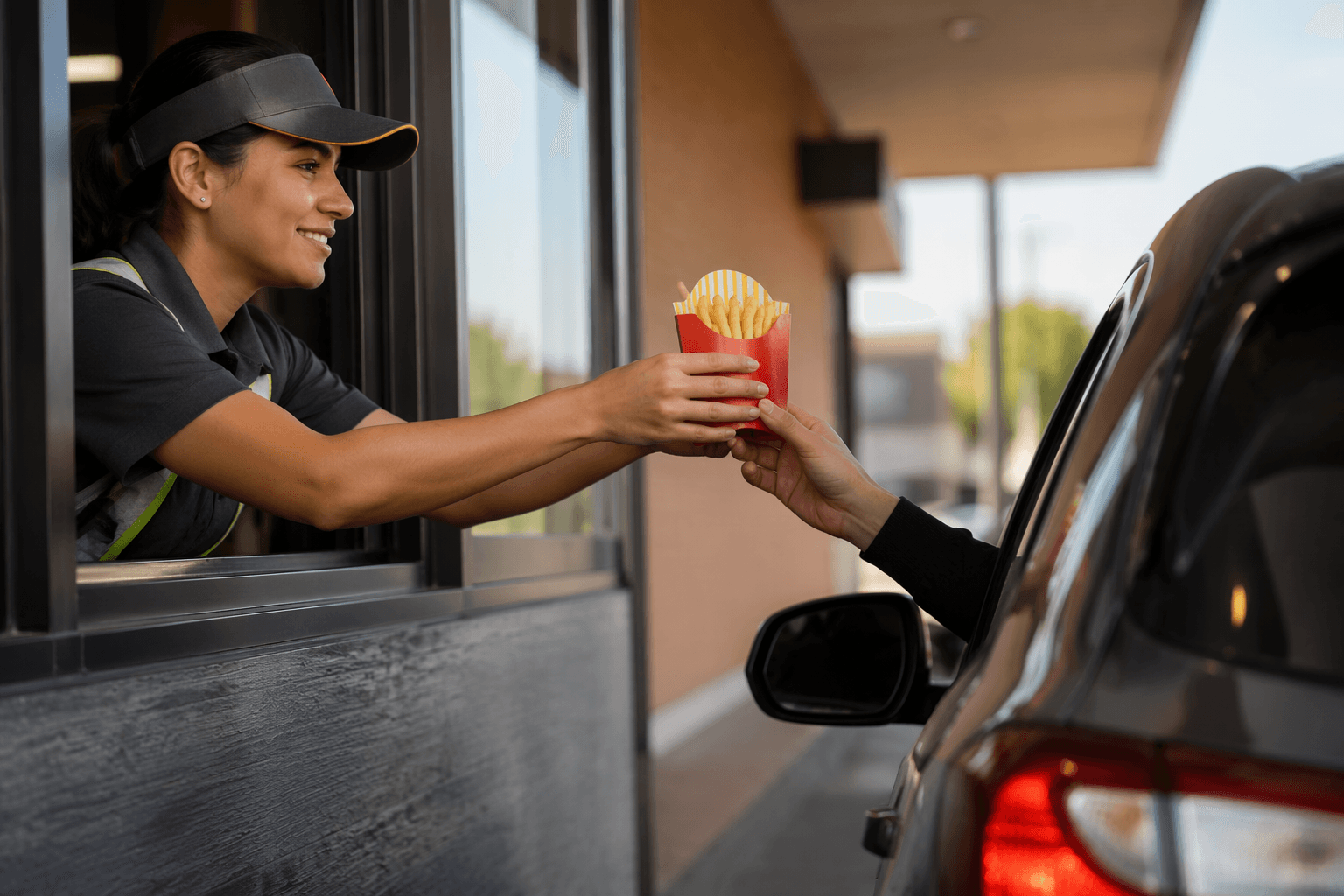
For McDonald’s, the challenge is not just the number on the poster. The company does not use a single company-wide minimum wage; franchise operators and corporate-owned restaurants set pay separately, and most locations already pay at or slightly above local and state minimums. That makes July 1 a store-by-store payroll event, not a national one, and it can create pay compression when new hires move up while long-timers see only a smaller adjustment. Managers will have to revisit shift budgets, hiring ads, posted wage ranges and scheduling assumptions quickly, especially in metro areas where a crew member at one store may earn more or less than a worker at a nearby location.
The fight over fast-food pay has been building since the Fight for $15 era, but these changes will land in the most immediate place possible: the clock-in sheet, the crew room and the next paycheck. For operators, the question is no longer whether wages are moving, but how fast each store can keep pace without losing people to the restaurant down the road.
This article was produced by Prism’s automated news system from verified source data, official records, and press releases, then run through automated quality and moderation checks before publishing. The system is built and supervised by the people who set the standards it runs under. Read our full AI policy.
Did this article answer your question?