McDonald's operators weigh immigration's impact on labor, traffic, sales
At the restaurant industry’s biggest trade show, operators framed immigration as a staffing and sales problem that can leave shifts open and traffic softer.

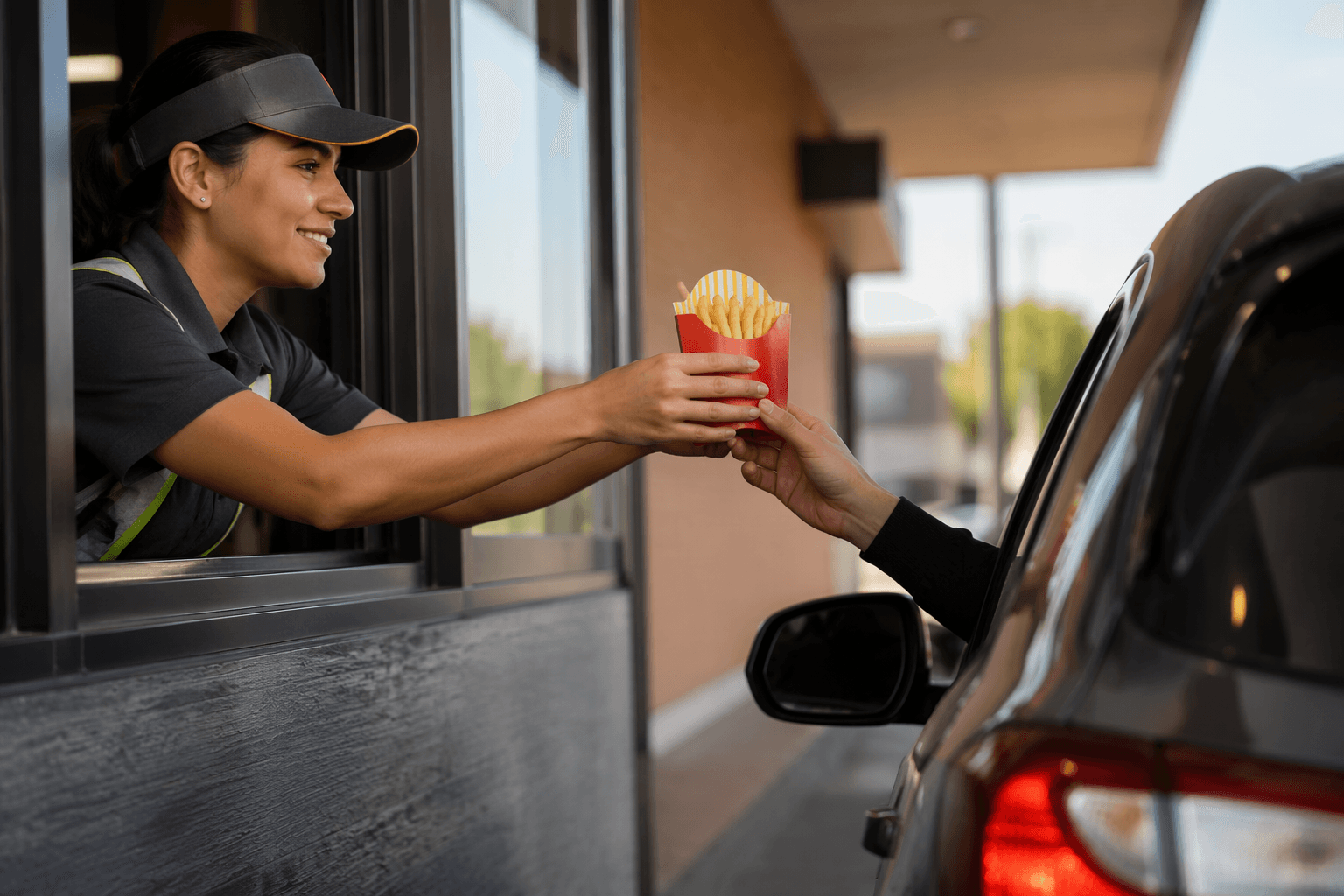
Operators at the National Restaurant Association Show treated immigration less like a political talking point than a day-to-day operating risk, one that can ripple from the farm field to the fry station. Panelists said immigrant labor runs through the full foodservice chain, including planting and picking, packaging, shipping and preparation, which means any shock to labor supply can show up as open shifts, slower onboarding and more strain on managers trying to keep service steady.
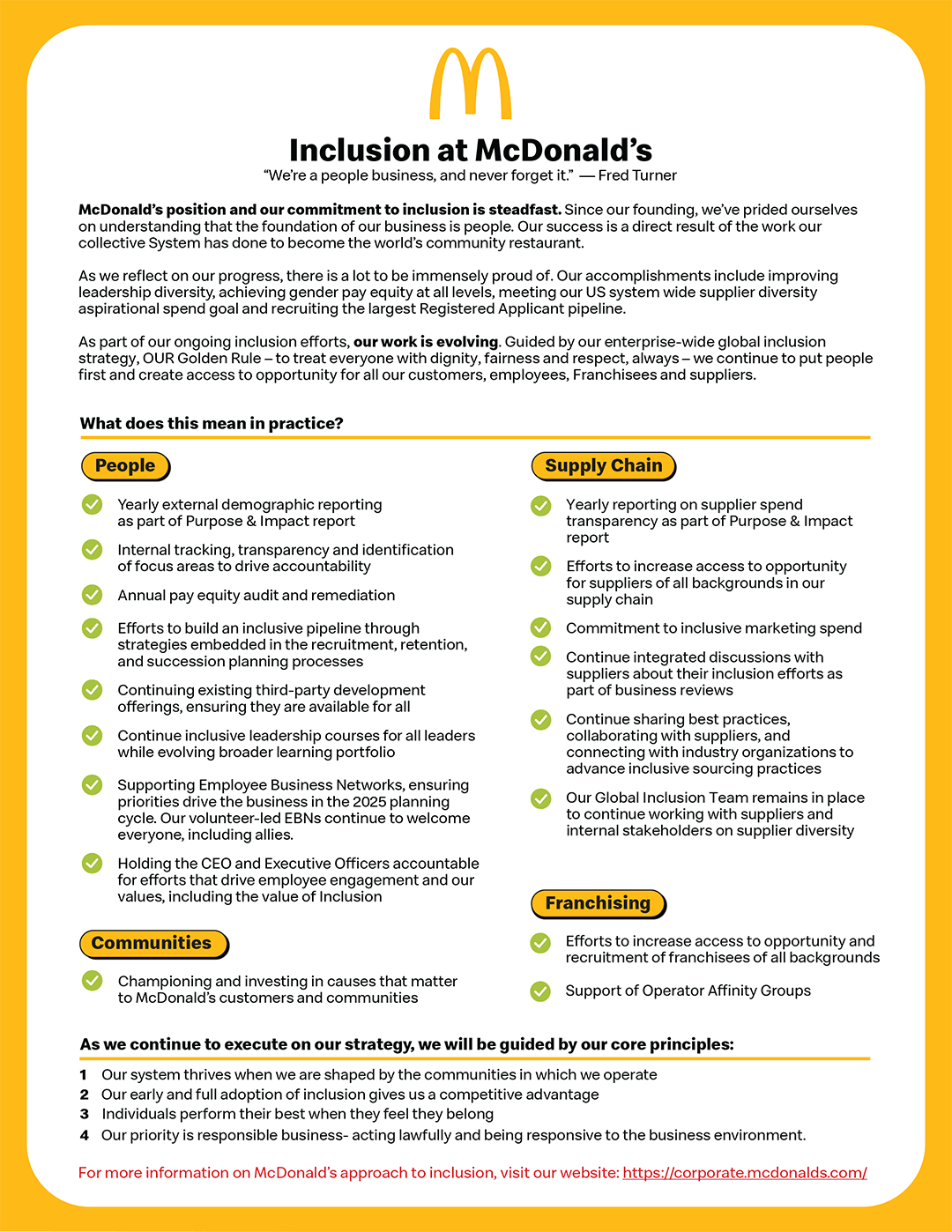
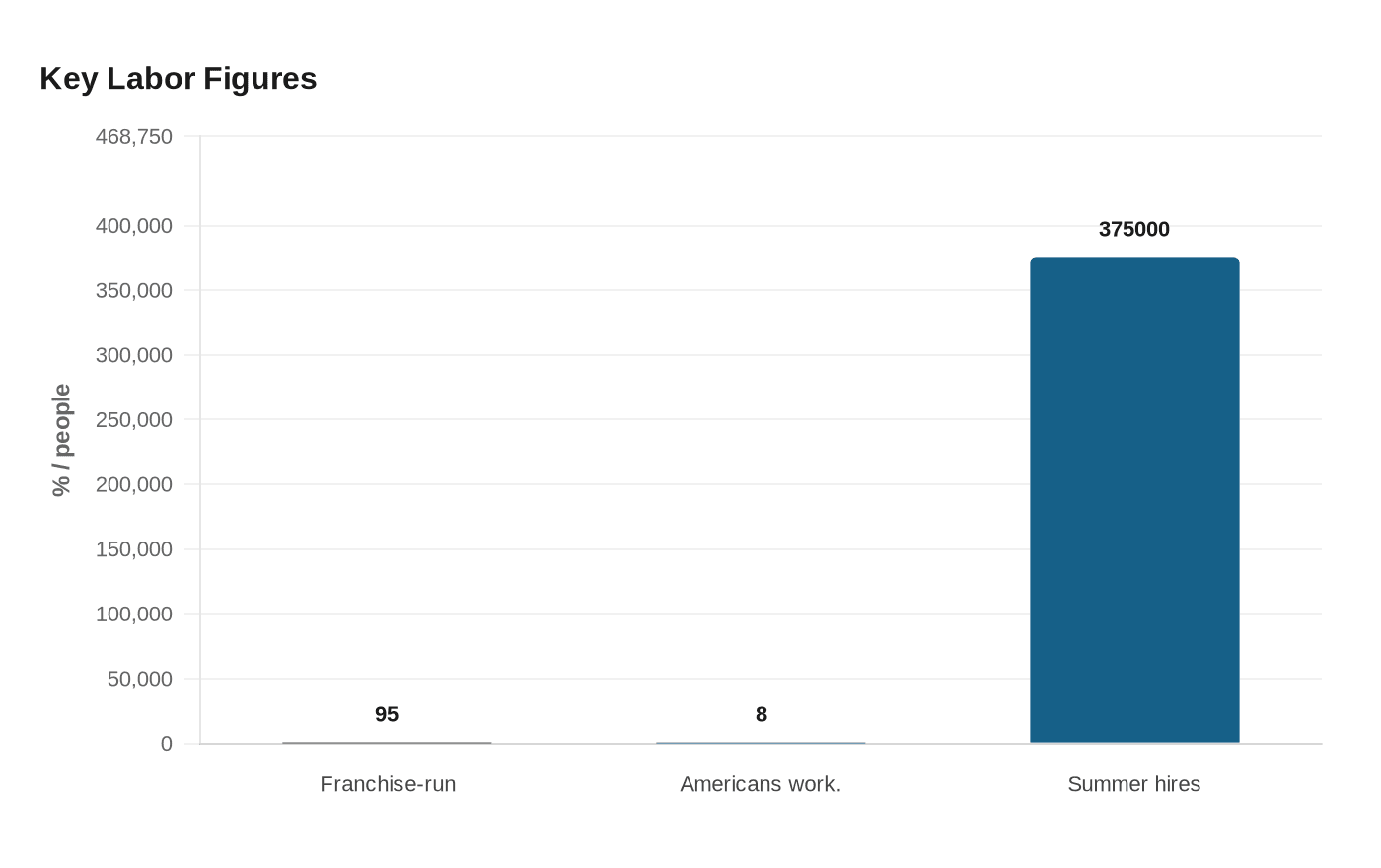
For McDonald’s, the stakes are especially high because the company says 95% of its roughly 13,500 U.S. restaurants are owned and run by independent franchisees. McDonald’s also says 1 in 8 Americans have worked at one of its restaurants, a reminder that the brand still relies on a huge revolving pool of entry-level workers. The company has described itself as “America’s Best First Job” and says it offers optional recruitment and retention workshops to franchisees, a sign that staffing stability remains a systemwide concern, not just a store-level headache.
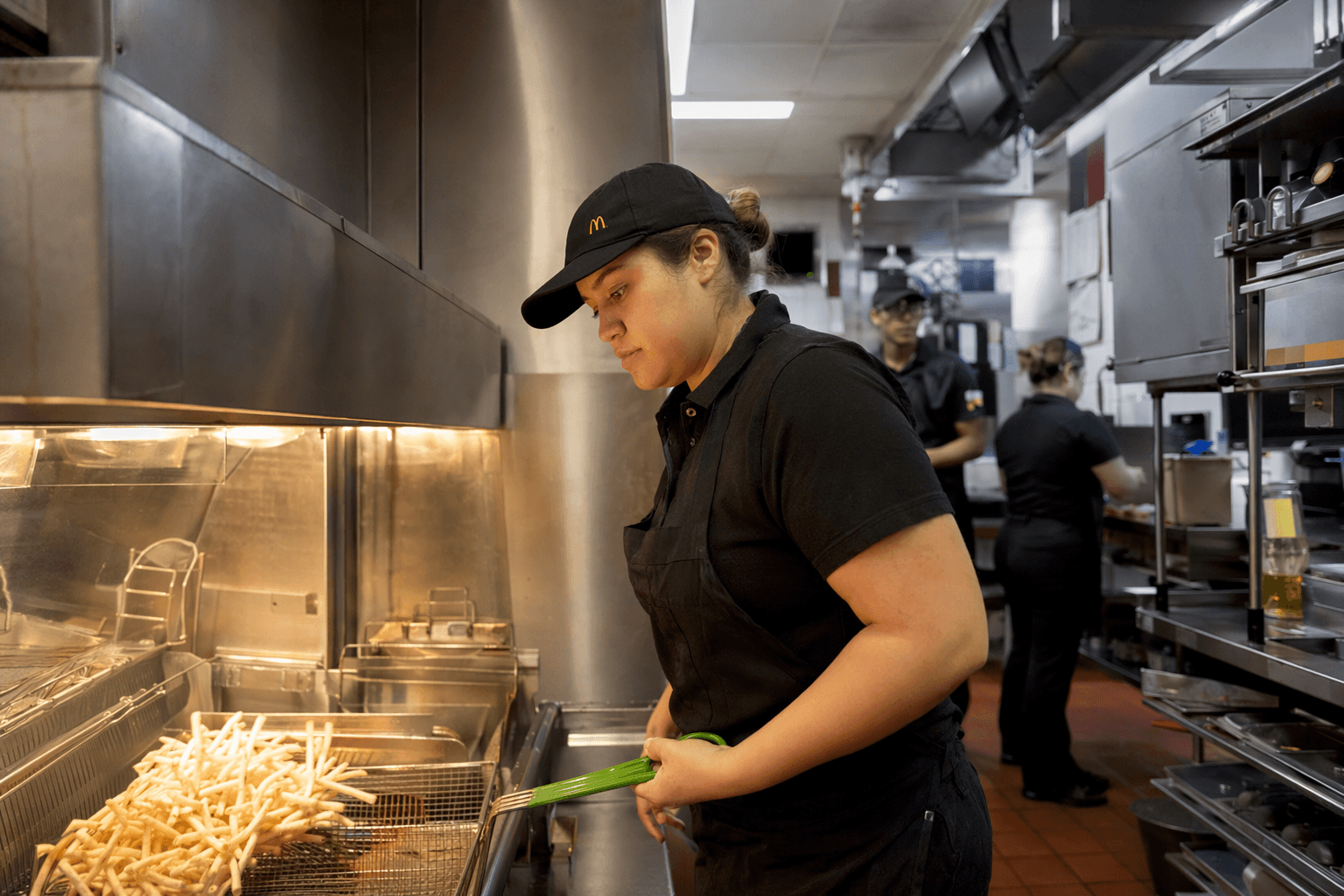
That matters because a tighter labor market does not just make hiring harder. It can leave managers covering gaps, force more cross-training and stretch the same crew across breakfast rushes, lunch peaks and late-night cleanups. McDonald’s and its franchisees said in May 2025 that they expected to hire up to 375,000 employees across U.S. restaurants that summer, showing how much recurring labor the system needs just to keep doors open and shifts covered. When those hires do not materialize quickly, the pressure lands on existing crew members and shift leaders.
The demand side is part of the same equation. One speaker warned that sales and traffic can fall in communities with large Hispanic populations, and Restaurant Business Online reported that Black Box Intelligence found traffic in ZIP codes where 40% or more of the population originates from Mexico weakened before the 2024 presidential election and had not recovered. For quick-service chains built on volume, even a small dip in customer counts can force tougher scheduling decisions and raise the odds of overstaffing one day and being short the next.
The broader industry has been open about the issue for years. The National Restaurant Association says immigrants are an important part of the restaurant business and backs comprehensive immigration reform that protects long-serving employees and modernizes the system. McDonald’s own Responsible and Ethical Recruitment Principles say no migrant worker should have to pay recruitment fees or related costs to secure a job. Put together, the message from operators is blunt: immigration policy is not just a Washington fight, it is a staffing, training and sales issue that shows up every day at the restaurant level.
This article was produced by Prism’s automated news system from verified source data, official records, and press releases, then run through automated quality and moderation checks before publishing. The system is built and supervised by the people who set the standards it runs under. Read our full AI policy.
Did this article answer your question?