McDonald's outlines franchise requirements, funding and training steps
McDonald’s franchise gate is built for operators with cash, discipline and relocation flexibility. The process shows how much control the company expects over restaurants that still feel local.

McDonald’s does not present franchise ownership as a brand-loyalty prize. It treats it as a test of capital, discipline and people management, with a path that starts in an inquiry form and runs through interviews, training and a final decision over where a candidate may land. For crew members and managers, that matters because the person signing the franchise agreement helps shape the day-to-day reality of scheduling, staffing, equipment and promotion.
What McDonald’s is really screening for
The company’s franchising materials make clear that it wants operators, not passive investors. Domestic candidates are expected to divest existing business interests before training begins, commit to daily operation and management, and bring at least $750,000 in non-borrowed, unencumbered personal funds. McDonald’s also recommends at least $100,000 in working capital per restaurant and $75,000 for relocation, which signals that the company expects owners to have enough cushion to absorb the real costs of running stores, not just the sticker price of entry.
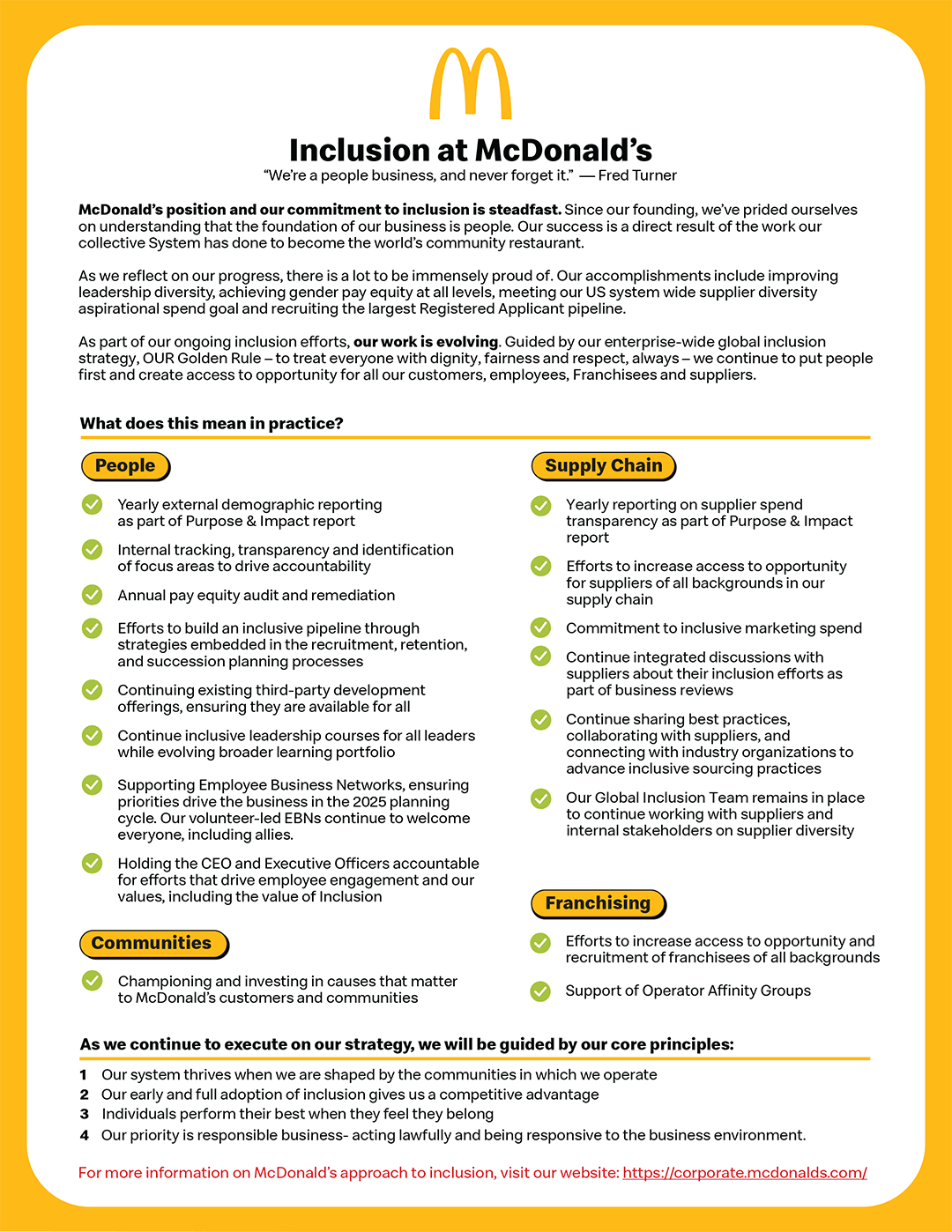
That screening tells you what kind of operator McDonald’s wants to reproduce. The company says franchisees should be able to run multiple functions, manage money and operate inside its values of service, inclusion, integrity, community and family. In practice, that is a high bar for consistency: the brand is trying to separate the people who can handle labor, inventory, maintenance and customer pressure from those who only like the logo.
The path to ownership is structured, not open-ended
McDonald’s U.S. process is deliberately sequenced. Candidates start with an inquiry form, move to an application, then go through two rounds of interviews before entering a candidate program. Training lasts 6 to 12 months and combines practical and classroom experience, which means the company is not just teaching menu systems or food safety. It is trying to imprint the operating style of the chain before anyone controls a restaurant.
Placement comes later, and not on a candidate’s terms. McDonald’s says applicants may be asked to rank their top 10 states because restaurant opportunities depend on availability after training, and flexibility to relocate may be required. That is a reminder that McDonald’s ownership is not a fixed local purchase; it is an assignment within a system where the company keeps the final say over where operators fit.
For workers, that structure is not abstract. A franchisee who is still being molded by corporate training may lean harder into standardization, while one with more local experience may be more willing to improvise around labor shortages, school schedules or neighborhood traffic patterns. Either way, the system is built to produce a manager who can run a store the McDonald’s way first, and the local way second.
Why the franchise system shapes the workplace
McDonald’s says roughly 95% of its more than 40,000 restaurants worldwide are owned and operated by independent local franchisees. That means the daily workplace experience for most employees is not created by headquarters alone, even though the brand image is one corporate face to the public. The company’s 2024 filing put the system at 43,477 restaurants worldwide at year-end 2024, including 13,557 in the United States, with global systemwide sales exceeding $130 billion and more than two million employees and crew across the system.
Those numbers explain why franchise rules matter beyond ownership circles. A change in financing, a remodel decision or a staffing philosophy in one restaurant can affect a single neighborhood of workers while still fitting inside a giant global machine. It also helps explain the long-running tension workers know well: headquarters sets the playbook, but the person controlling schedules, overtime, equipment repairs and local hiring is often the franchisee in the store.
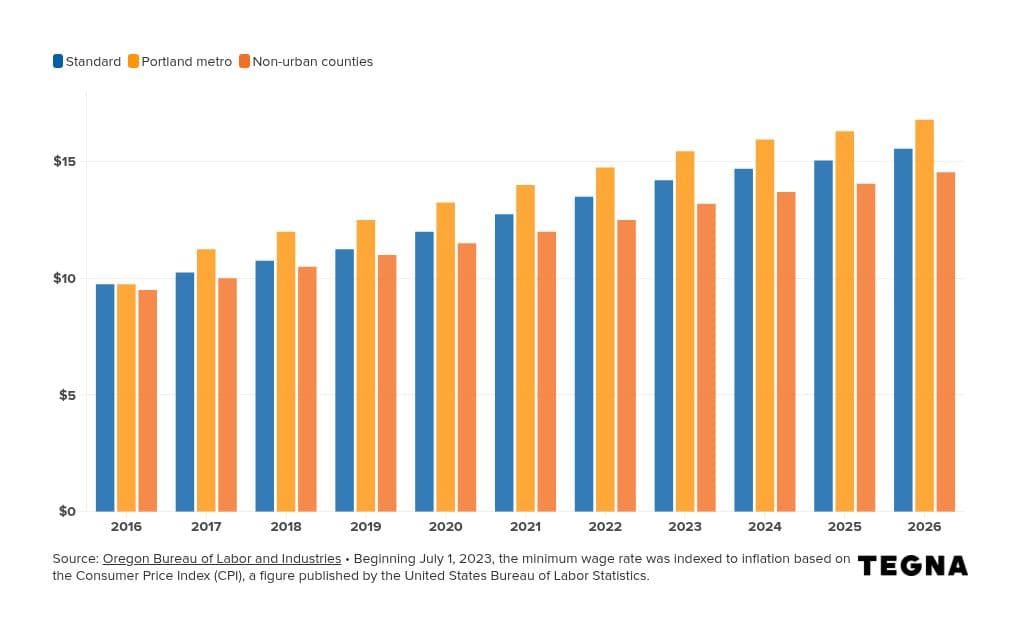
That tension has shown up for years in labor fights, from Fight for $15 campaigns to minimum wage debates, because crew members experience the chain less as a single company than as a mix of corporate rules and local management. Add in AI ordering tools, self-service kiosks and automation aimed at trimming labor, and the pressure on crews becomes even more dependent on how aggressively a franchisee chooses to adopt those systems and how many people stay on the floor.
The community story is part of the ownership pitch
McDonald’s also frames franchisees as local civic actors, not just operators of fryers and registers. Its franchising guide describes owners donating backpacks, serving first responders, sponsoring youth sports and providing scholarships, and it points to the Hispanic Owner/Operators Association as the group that launched the HACER scholarship program in 1985. That is not window dressing: it shows how McDonald’s wants franchisees to function as embedded local institutions while still conforming to a national operating system.
The company’s own “three-legged stool” model, which links company, franchisees and suppliers, reinforces that balance of local discretion and systemwide control. The operator gets autonomy inside a framework that is still shaped by McDonald’s standards, purchasing relationships and brand expectations. For employees, that can mean different experiences from store to store even when the golden arches look identical from the parking lot.
What the requirements say about the job beneath the badge
The franchise process is ultimately a filter for a specific kind of manager. McDonald’s is asking for cash on hand, willingness to relocate, readiness to give up other businesses and the stamina to spend months inside a candidate program before getting access to a restaurant. That is a bigger ask than many outside the industry realize, and it helps explain why the company often ends up with operators who are highly system-oriented and intensely focused on discipline.
For the people clocking in at the store level, that can translate into steadier training and clearer rules when an operator invests in people and systems, or into tighter labor pressure when a franchisee treats the business like a numbers exercise. The ownership model is not just a finance story. It is the structure that shapes whether McDonald’s feels like a place with a predictable path upward or a place where every shift depends on how the franchisee interprets the same corporate playbook.
This article was produced by Prism’s automated news system from verified source data, official records, and press releases, then run through automated quality and moderation checks before publishing. The system is built and supervised by the people who set the standards it runs under. Read our full AI policy.
Did this article answer your question?