McDonald's pivots menu strategy as beverage tests expand nationwide
McDonald’s is folding CosMc’s-style drinks into its core menu, testing whether crews can absorb more customization without slowing the line.
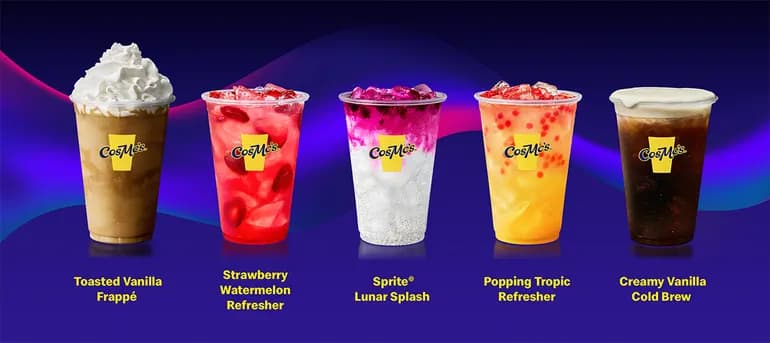
McDonald’s is trying to turn a beverage experiment into a systemwide menu strategy, rolling out three new Refreshers and three crafted sodas across the U.S. while asking whether the drinks can be handled inside regular restaurant routines without adding chaos at the counter.
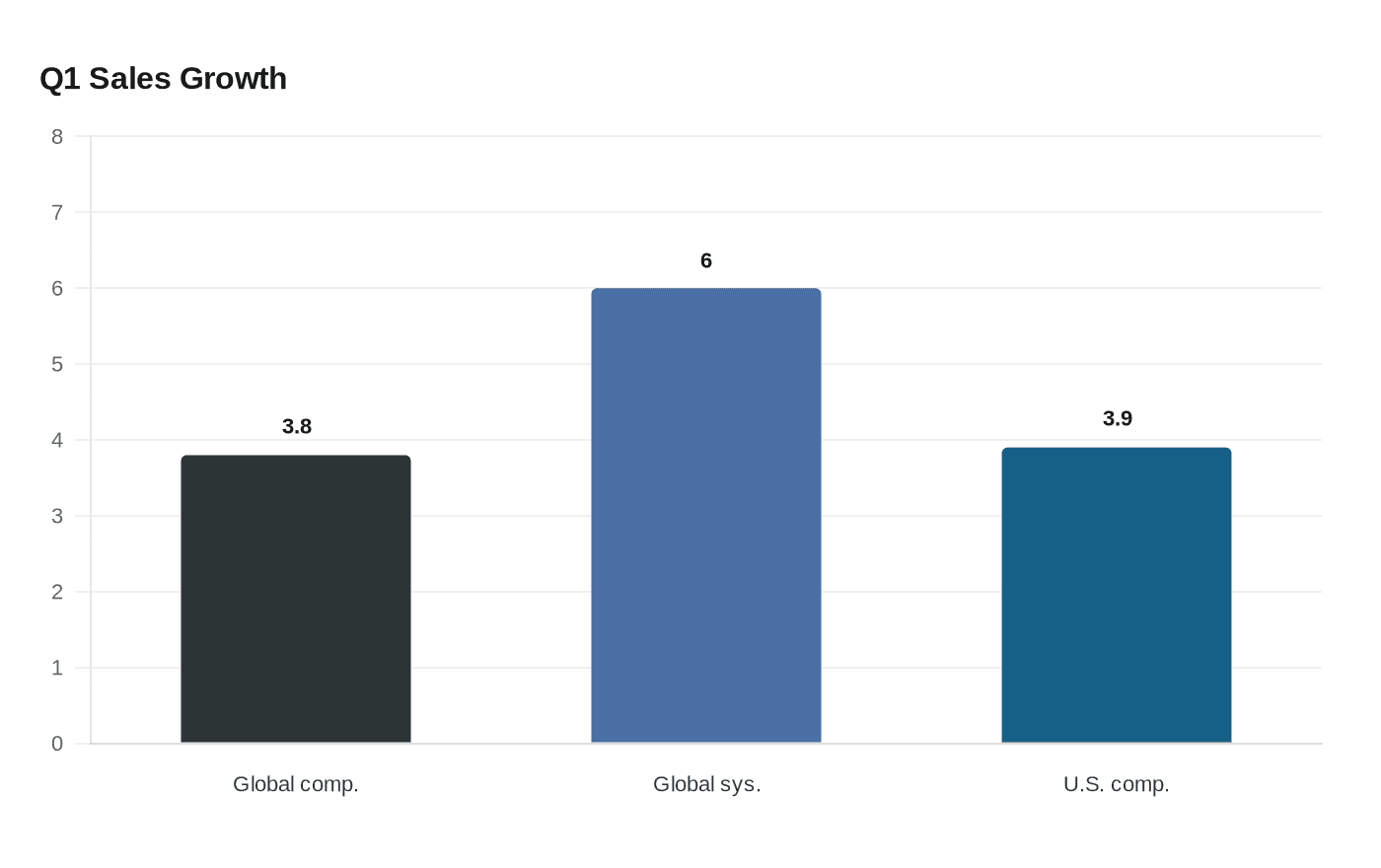
The company launched the six drinks on May 6, a day before executives said the bigger push was part of a broader reset around value, marketing, and menu innovation. Chris Kempczinski called that 2026 operating plan a “three-for-three” playbook, and McDonald’s backed it up with first-quarter numbers that still looked solid: global comparable sales rose 3.8%, global systemwide sales increased 6% in constant currency, and U.S. comparable sales climbed 3.9%.
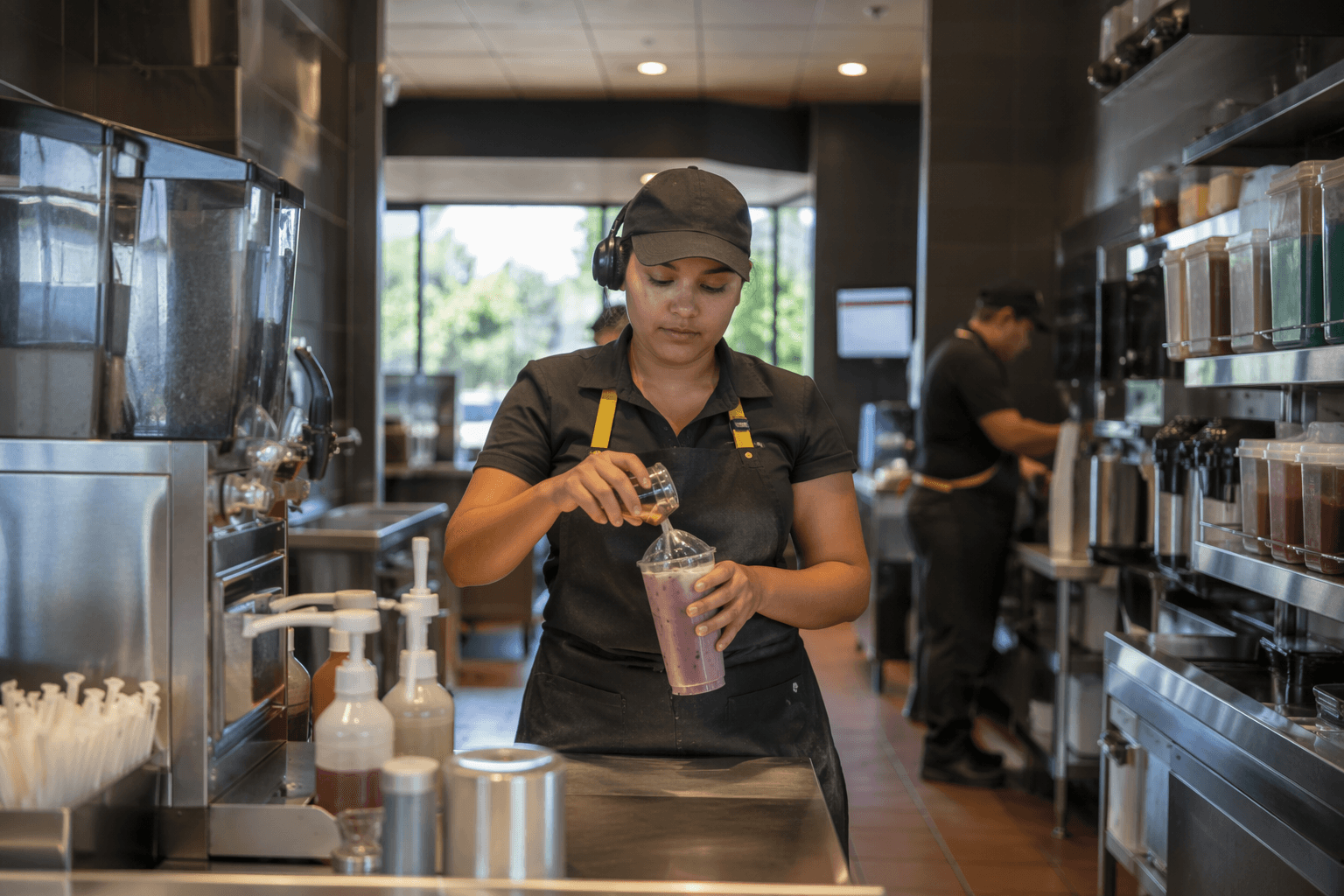
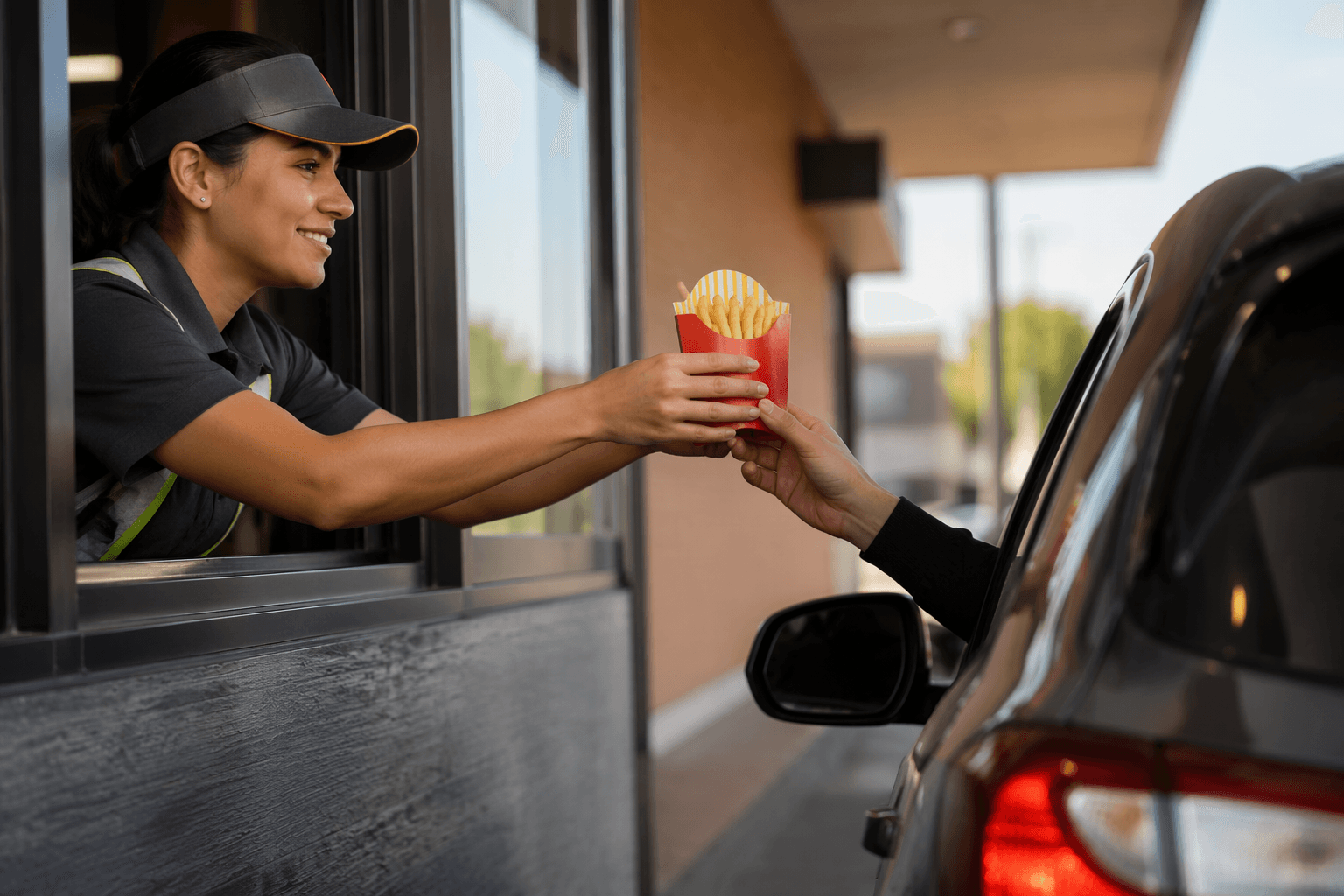
For restaurant workers, the key question is not whether a new drink can sell. It is whether it can be made fast enough during a lunch rush without stacking more steps onto already crowded beverage and drive-thru stations. McDonald’s has said the drinks are aimed at a roughly $100 billion category with better margins, which explains the push. The practical test on the floor is different: whether the company can add another layer of customization while keeping ticket times down and drink errors from piling up.
That challenge is sharper because the new beverages grew out of CosMc’s, the beverage and drive-thru concept McDonald’s used as a test bed before closing all five standalone CosMc’s locations in 2025. McDonald’s said at the time that drinks inspired by the concept would move into traditional restaurants, and it later confirmed the plan would reach hundreds of McDonald’s locations. The company now says those drinks are being pushed into the core system, not treated as a one-off promotion.
That matters in the stores McDonald’s actually runs every day. The chain operates 13,637 regular restaurants, and any menu shift at that scale changes how managers schedule shifts, train new hires, and assign beverage labor. If the rollout works, it could give crews a cleaner, more standardized drinks playbook and give operators another higher-margin sale. If it does not, it becomes another top-down menu reset that adds stress at peak hours and pushes more of the complexity onto the people making the drinks.
McDonald’s also warned that second-quarter comparable sales would likely decelerate meaningfully because of a tough April comparison, a reminder that the company is still trying to protect traffic and market share while it builds a longer-term innovation pipeline. Across 70 loyalty markets, systemwide sales to loyalty members topped $38 billion over the trailing 12 months and more than $9 billion in the quarter, giving the company data to steer what comes next. For crews and managers, the real verdict will come one drink at a time, in the middle of a rush, when the line either keeps moving or starts to bog down.
This article was produced by Prism’s automated news system from verified source data, official records, and press releases, then run through automated quality and moderation checks before publishing. The system is built and supervised by the people who set the standards it runs under. Read our full AI policy.
Did this article answer your question?