McDonald’s pushes franchise ownership, training, and support for operators
McDonald’s promises support, but the franchisee still carries the pressure of running the restaurant. The real deal is a tightly managed brand with local owners taking the daily risk.
The promise and the catch
McDonald’s sells franchise ownership with a simple line: you are in business for yourself, but not by yourself. That is the core of the model, and it is also the catch. The company says it backs operators with training, guidance, and system support, but the local owner still runs the restaurant, makes the day-to-day calls, and absorbs the operational strain when staffing, service, or sales slip.
For anyone inside the system, that matters because McDonald’s is not a loose collection of independent restaurants. It is a tightly managed brand with a lot of structure around the people who hold the franchise. The menu may look the same from store to store, but the way a location feels on the floor can be very different depending on the franchisee, the management style, and the pace they set for crews and shift leaders.
What McDonald’s says it provides
The company’s franchising message centers on support. It says franchisees are not left to figure out the business alone, and that the brand gives operators a framework built around training, guidance, and system support. That is not just a slogan for recruitment. It is McDonald’s telling prospective owners that the business comes with a playbook, and that the playbook is part of the value of buying in.
That support helps explain why McDonald’s can expand through local ownership while still keeping its brand recognizable everywhere. The company’s system creates consistency, but that consistency is not the same thing as freedom. Operators work inside a corporate architecture that defines a lot of what a restaurant should look like, how it should run, and what standards it should meet. The upside is access to a proven system. The tradeoff is less room to improvise than an independent restaurant owner might expect.
Where the franchisee still carries the risk
The hard truth for a prospective operator is that support does not eliminate responsibility. The franchisee is still the one running the restaurant, which means the owner carries the daily burden of labor scheduling, staffing pressure, customer service, and the operational decisions that keep the store moving. If a location is short-handed, has a rough service window, or struggles to keep pace, those problems land on the operator’s desk first.
That separation between brand support and local accountability is one of the most important realities for managers thinking about ownership. McDonald’s can provide the system, but it does not replace the need for judgment on the floor. A franchisee still has to manage people, keep standards in line, and make the business work in real time. In practice, that means the owner gets the upside of owning a McDonald’s, but also the pressure that comes with keeping one of the world’s most recognizable restaurant systems running smoothly.
Why two McDonald’s can feel different
For crew members and managers, one of the most useful things the franchising page reveals is why two stores can feel so similar and still operate differently. The customer sees one brand, one menu, and one familiar layout. The people working inside may see different staffing patterns, different levels of pressure, and different management habits depending on the franchisee behind the counter.
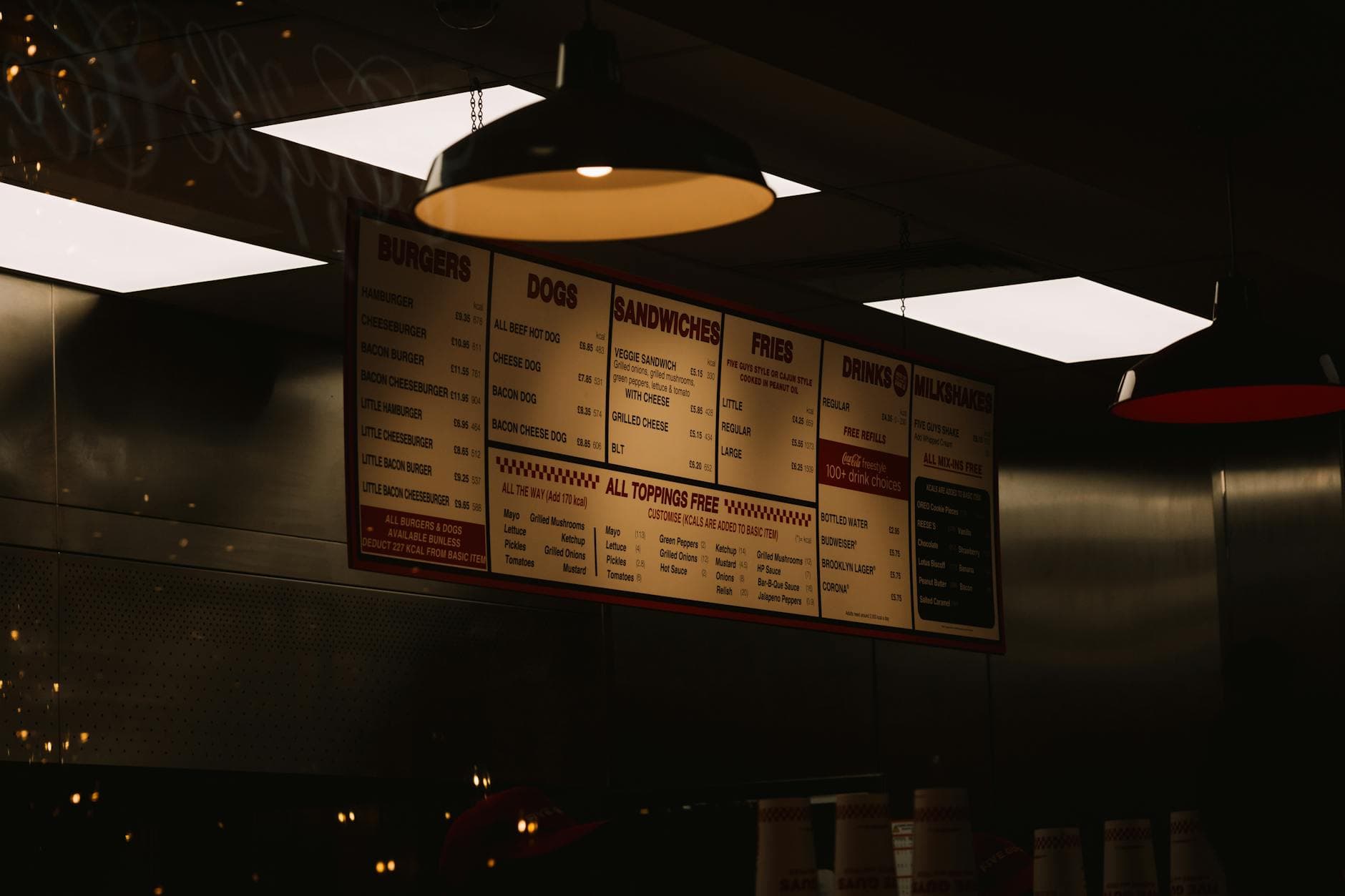
That difference matters on the shift. One location may run with a tighter hand on routines and speed, while another may feel more flexible or more stretched. Those variations are not random; they often come from the local owner’s priorities, leadership style, and ability to execute within McDonald’s system. If you have worked at more than one McDonald’s, you already know this gap between brand uniformity and local reality. The franchising model is a big reason it exists.
Training is not just for owners, it is part of the ladder
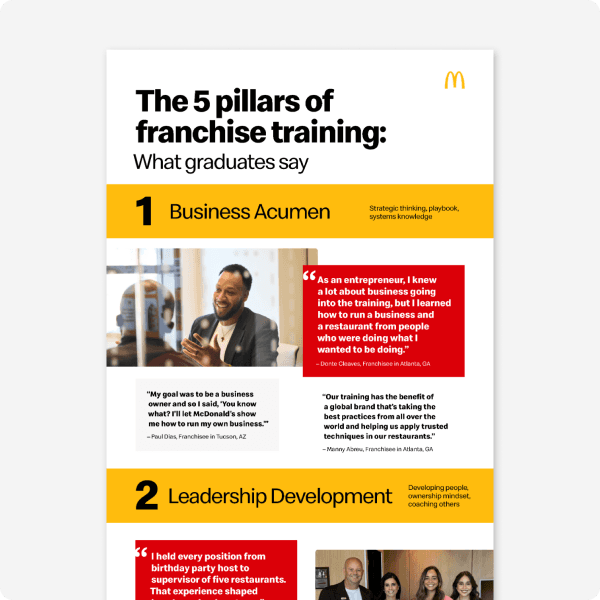
McDonald’s says its franchise training teaches people how to run a business and run a restaurant. That is an important distinction. Running a restaurant is about service, staffing, food safety, and speed. Running a business means understanding labor, costs, people management, and the discipline required to keep a location profitable inside a corporate system.
For managers, that creates a clearer path than many first-time crew members realize. The career ladder does not have to stop at shift lead or general manager. In McDonald’s own framing, it can extend into ownership and business leadership. That does not mean every crew member will become an operator, but it does mean the company is presenting ownership as part of the internal talent pipeline, not just as a club for outside investors with capital to spend.
The diversity push is part of the ownership story
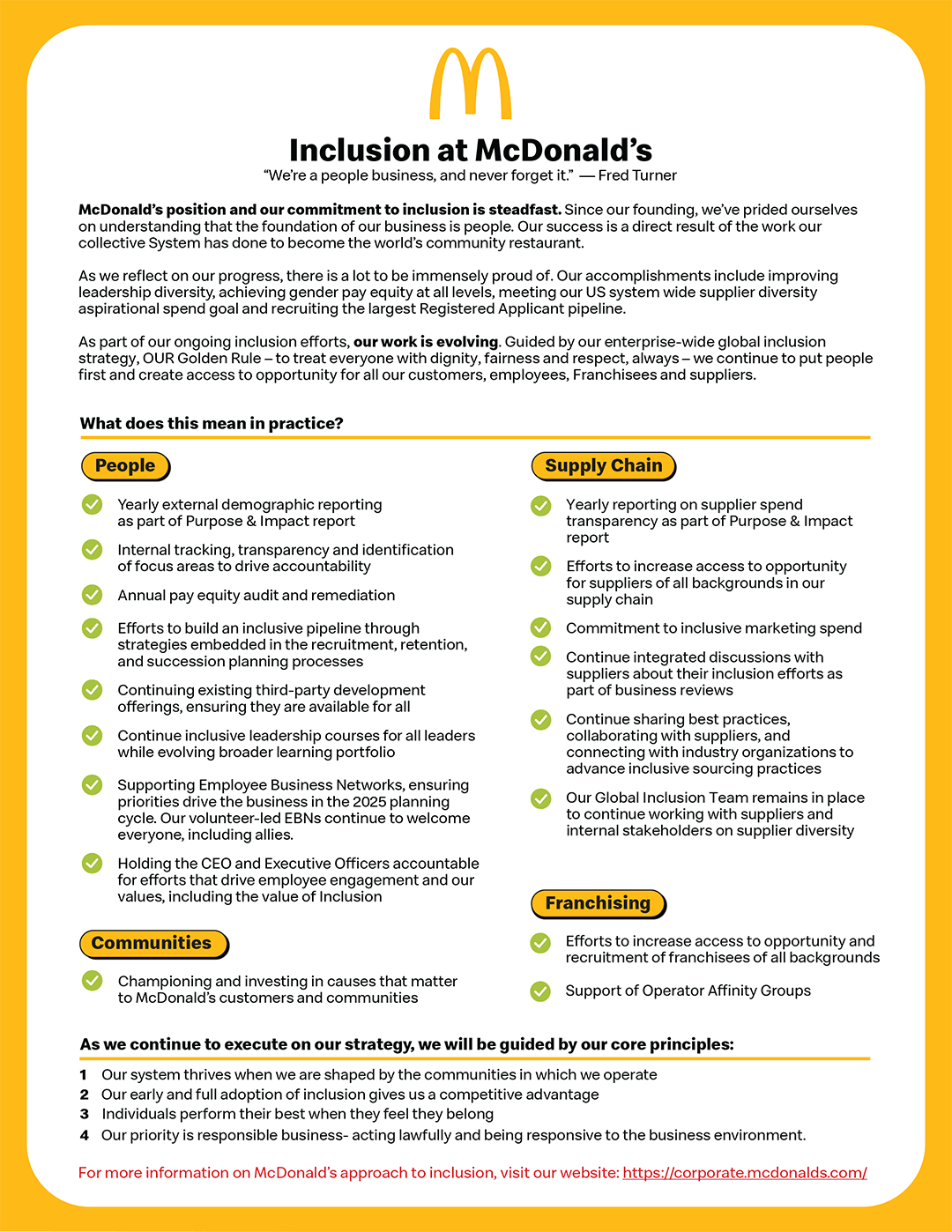
The franchising page also says McDonald’s wants to increase the number of franchisees from historically underrepresented groups. That puts ownership in a broader company strategy, one that goes beyond simply handing out restaurant licenses. McDonald’s is signaling that franchise ownership is part of how it wants to shape its future leadership and its relationship with the communities it serves.
That goal matters because ownership at McDonald’s is not only about money. It is also about access, mentorship, and who gets the chance to move from running shifts to running an enterprise. For workers watching the company from the inside, that makes ownership more than an abstract corporate talking point. It becomes a possible next step in a system that often feels rigid from the crew line.
How to read the model if you work there
If you are a manager trying to understand the operator mindset, or a crew member thinking about a longer future at McDonald’s, the franchising model gives you a useful decision framework. The brand offers structure, training, and a recognizable system. The franchisee gets the local business, but also the burden of making it work under that structure.
That is the real meaning of McDonald’s promise. The company offers a ladder, but it also sets the rails. Independence exists, but within boundaries. For workers and managers alike, that is the most important thing to understand about McDonald’s ownership: the brand is built to support operators, but it is designed so the franchisee still carries the operational risk when the lunch rush hits and the store has to perform.
This article was produced by Prism’s automated news system from verified source data, official records, and press releases, then run through automated quality and moderation checks before publishing. The system is built and supervised by the people who set the standards it runs under. Read our full AI policy.
Did this article answer your question?