McDonald’s restaurant development jobs reshape openings, remodels and staffing
McDonald’s growth is a staffing story as much as a construction story. New builds and remodels can trigger hiring waves, retraining, and layout changes that alter every shift.
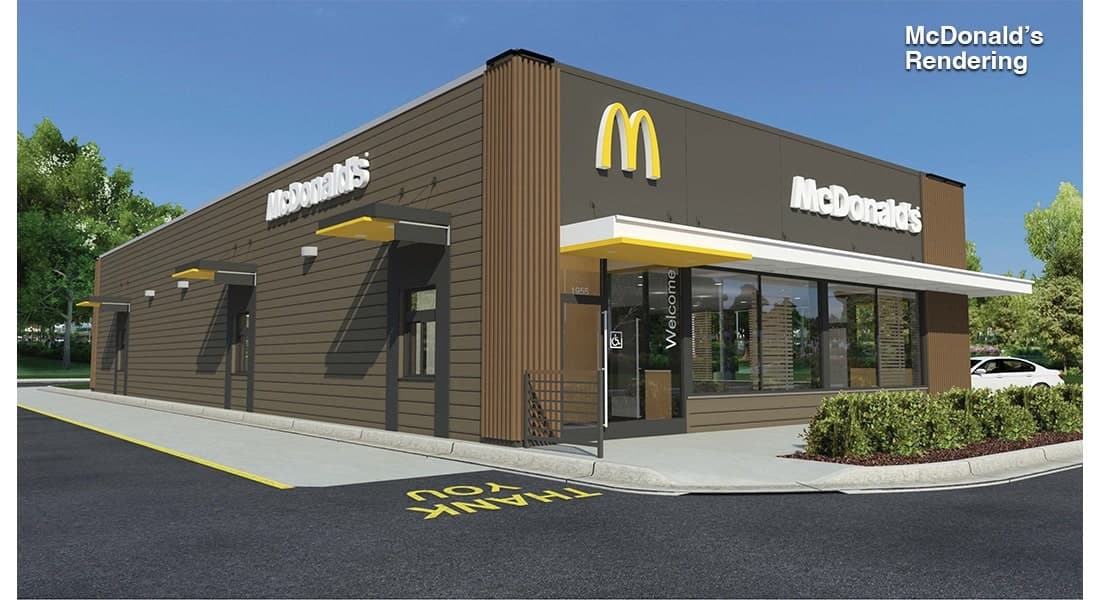
Before a new McDonald’s opens its doors, hiring, training, equipment placement, and line flow are already changing. Growth runs through a separate workflow of site selection, project management, property decisions, and operational setup, and those decisions land directly on crew schedules and manager workload.
Development is the hidden labor engine
McDonald’s keeps restaurant development as a distinct career family, and that is where expansion turns into actual work. Current listings include roles such as supervisor, project management; supervisor, new construction; consultant, asset management; and supervisor, field franchising. That is not just office language. It signals who is responsible for getting a location built, ready, staffed, and opened on time.
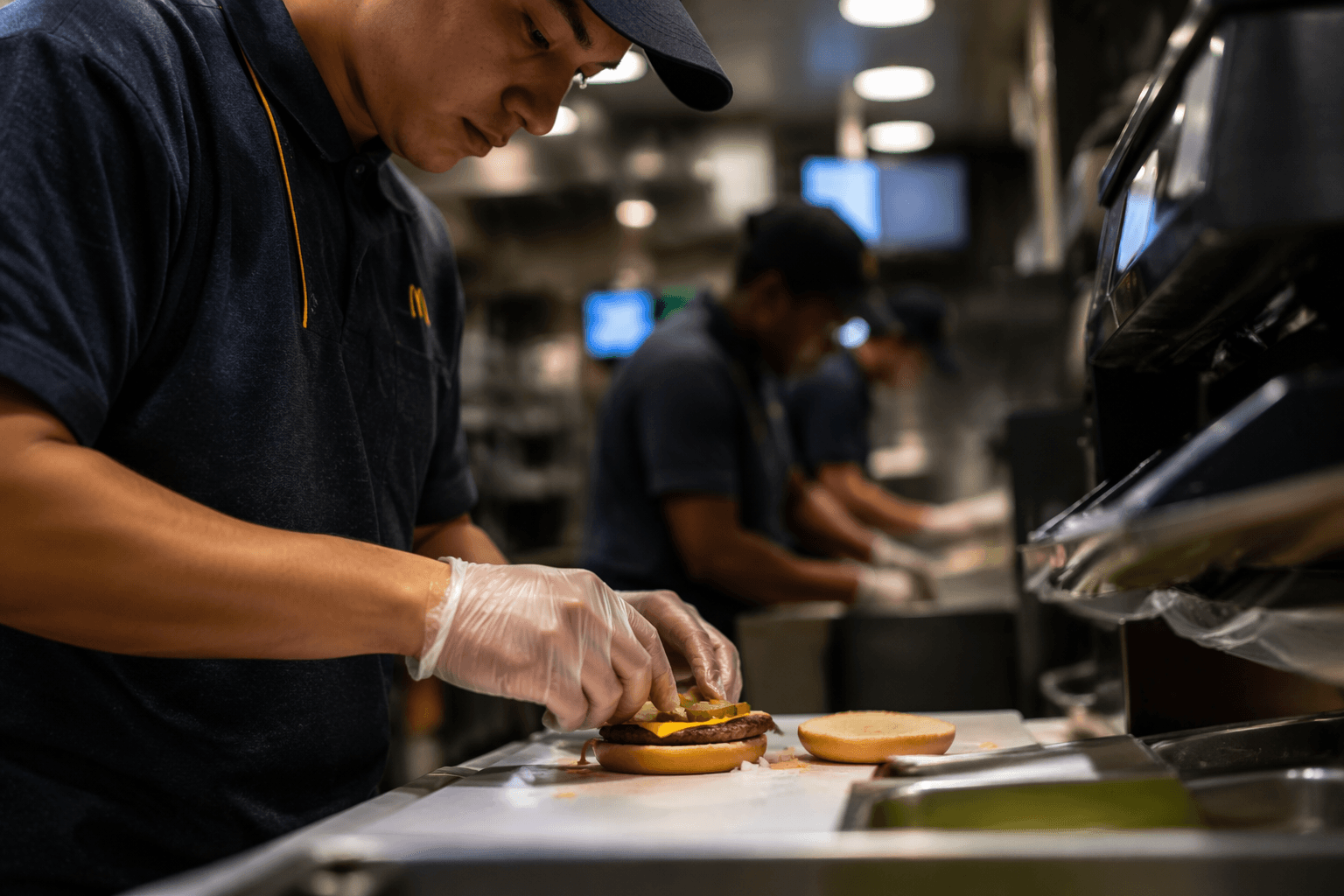
For crew members, development often shows up as a sudden hiring push, temporary training shortages, or a period when veteran workers are pulled in to help launch a location or reset an existing one. For managers, it can mean a restaurant operating with construction nearby, a new floor plan to learn, or a different service flow that forces everyone to adjust.
A franchise system makes every project ripple farther
McDonald’s says it operates more than 45,000 locations in over 100 countries, and about 95% of its restaurants worldwide are owned and operated by independent local business owners. That structure is why development is never just a corporate project. One remodel can involve franchisees, landlords, contractors, suppliers, and the crew that has to keep serving customers while the work is underway.
In the U.S., McDonald’s provides a downloadable list of real-estate contacts for site searches and a separate site-submission form for people interested in selling land. In practice, that means a store opening or relocation can begin long before the first wall goes up, with negotiations and site work already shaping what the eventual kitchen, lobby, and drive-thru will need to handle.
That franchise-heavy model also explains the tension workers know well: corporate growth targets can create pressure on franchise operators to expand quickly, but the labor to make that growth work still comes out of local stores. That is the same friction employees have seen in other McDonald’s fights over pay, scheduling, and labor standards.
How big the buildout is
In its 2025 restaurant count by market document, McDonald’s reported 45,356 systemwide restaurants at year-end 2025, including 13,706 in the United States. McDonald’s also said it expected 2025 capital expenditures of $3.0 billion to $3.2 billion, with the majority directed toward new restaurant unit expansion.
It expected to open about 2,200 restaurants globally in 2025, including about 600 in the U.S. and International Operated Markets segments.
McDonald’s is also continuing to grow by building new restaurants and modernizing existing restaurants in local communities. Remodels often bring the same strain as a new build: a temporary disruption in service, retraining on new equipment or counters, and a reshaped dining room or kitchen that changes how people move through the shift.
What a McDonald’s site is built to do
For a traditional freestanding restaurant, McDonald’s U.S. site criteria list roughly 44,000 square feet of land, with urban exceptions around 25,000 square feet. The typical building size is about 3,700 to 4,500 square feet.
A tighter urban site can mean a different traffic pattern, a smaller footprint, or a more compressed back-of-house layout. A larger freestanding site can make room for drive-thru volume, parking, and service lanes that shape the pace of the store from lunch rush to late night. McDonald’s says its goal is a modern, progressive burger and breakfast restaurant, and remodels are intended to change how the restaurant performs.
For managers, that can mean learning a new service map and teaching it to crews who may already be stretched thin. For crew, it can mean adapting to stations that have moved, equipment that works differently, or a service rhythm that no longer matches the old building.
Why the development roles matter for internal movement
Restaurant development is also a path for employees looking beyond the usual crew-to-manager ladder. A store background can translate into work in logistics, coordination, site readiness, and operational planning, especially for people who already know how a restaurant actually runs under pressure. McDonald’s listings show that the function spans more than real estate alone, reaching into learning and development, field operations, finance, sourcing, cybersecurity, and technology.
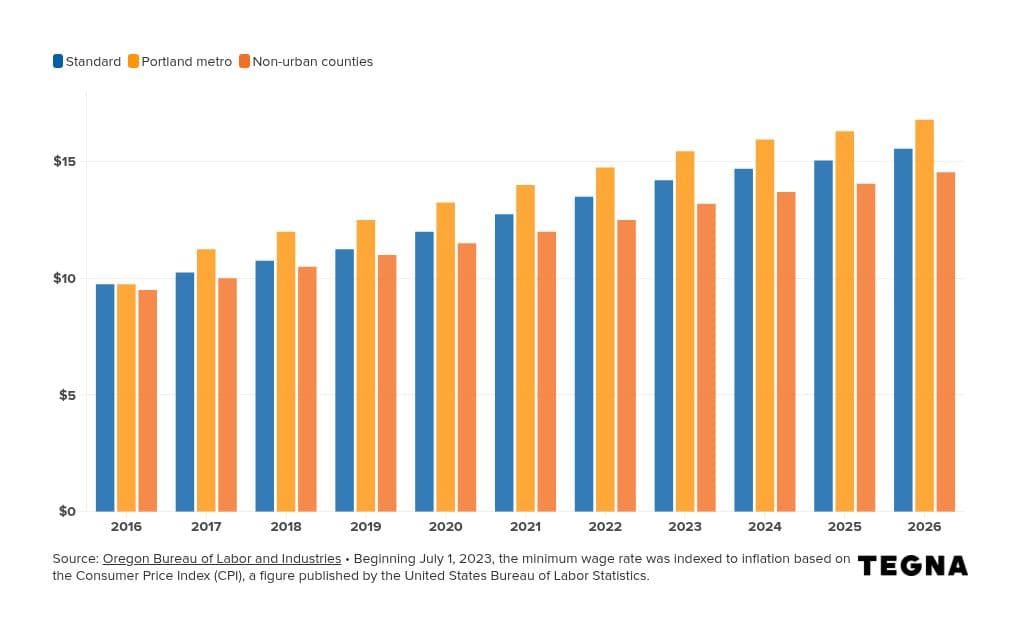
That breadth matters at a time when restaurant work is being squeezed from several directions at once. Minimum wage fights, including the Fight for $15 era, changed how workers think about advancement and compensation. Automation and AI are also taking over more routine tasks, which raises the value of jobs that manage launches, equipment, and systems rather than simply fill shifts.
This article was produced by Prism’s automated news system from verified source data, official records, and press releases, then run through automated quality and moderation checks before publishing. The system is built and supervised by the people who set the standards it runs under. Read our full AI policy.
Did this article answer your question?