McDonald’s restaurant experience helps crew build paths to corporate careers
A shift at McDonald’s can become more than a paycheck when the company pairs frontline skills with education, mentorship, and a visible path upward.
What Natalie Stephenson’s story really shows
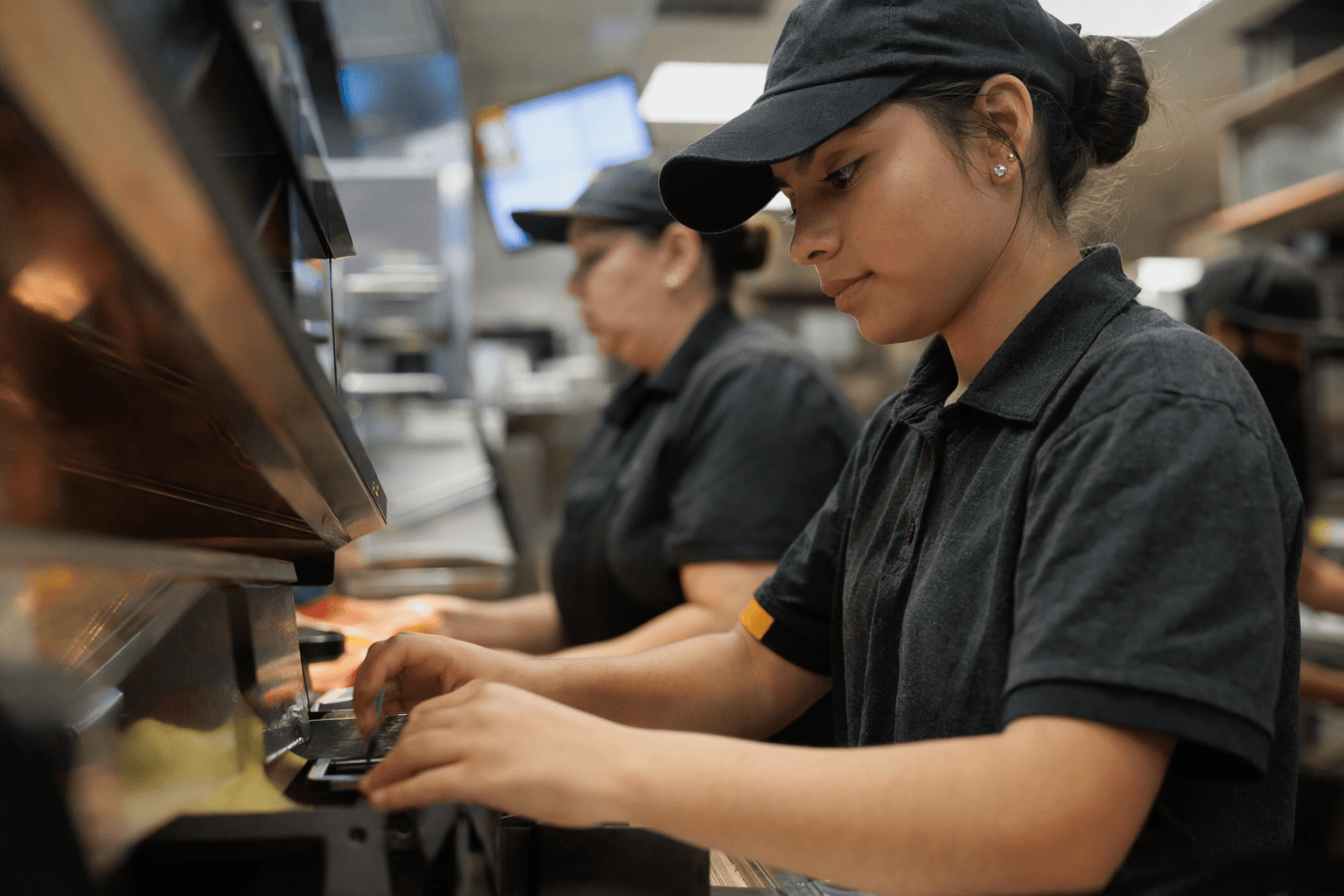
Natalie Stephenson’s climb from managing a McDonald’s restaurant to working as a corporate lawyer is not just a neat career anecdote. It is McDonald’s clearest example of how a restaurant job can become a long-term internal pipeline, if the worker keeps stacking experience, schooling, and responsibility. Stephenson managed full time while finishing college and later law school, and she says the restaurant taught her how to relate to people, handle difficult situations, and understand the work ethic of owners and operators who saw potential in her.
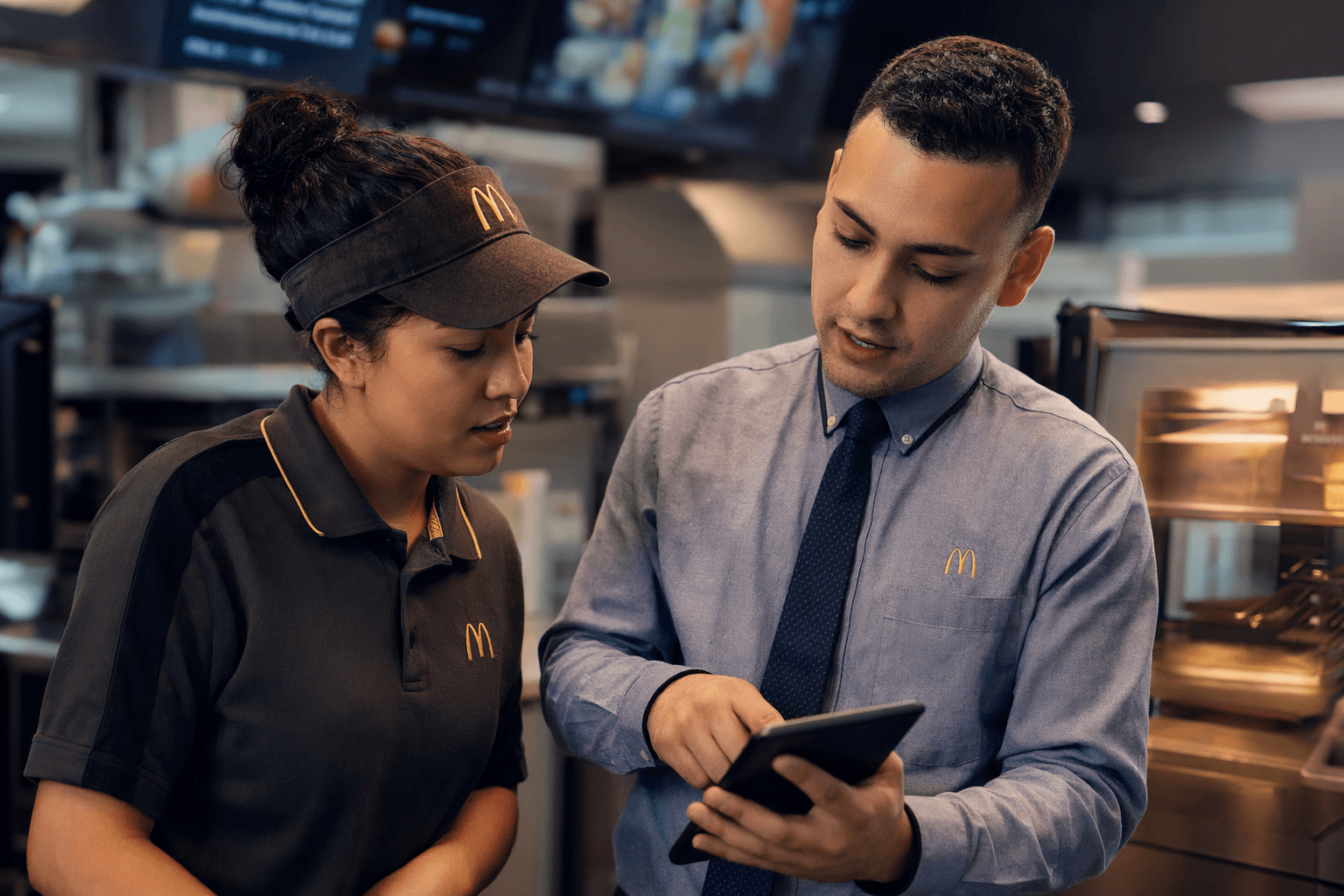
That is the part current crew members can actually copy. The story is not about being discovered, and it is not about luck alone. It is about using daily shift work to build the kind of judgment, communication, and leadership McDonald’s says its first jobs are supposed to develop, then turning that experience into schooling and a more specialized role.
The skills that travel from the grill to headquarters
The transferable skills in Stephenson’s path are ordinary in the best sense. They are the habits crew members build by showing up on time, working through rushes, calming unhappy customers, helping coworkers, and learning how to keep service moving when the shift goes sideways. Those are the soft skills McDonald’s highlights in its “best first job” messaging, along with the idea that 1 in 8 Americans have worked at a McDonald’s restaurant.
Stephenson’s own account points to three especially valuable pieces of restaurant experience: reading people quickly, staying steady in difficult moments, and understanding how operations look from the owner or operator side. For managers, that matters because those are the same instincts that help someone step into training, compliance, human resources, operations, or legal work later on. In other words, the work that can feel repetitive on a bad shift is often the work that builds the exact behaviors a corporate team wants to hire.
The ladder McDonald’s built around the story
McDonald’s did not stop at storytelling. It has tried to wrap the message in programs that make advancement feel concrete, starting with Archways to Opportunity. The program offers English-language learning, a no-cost high school diploma option, college tuition assistance, and career advising, which is the difference between saying “there is a path” and actually handing crew members tools for the next step.
The company put real money behind it in 2018, saying it would allocate $150 million over five years to expand Archways. That expansion tripled tuition assistance, cut eligibility from nine months to 90 days, and reduced the weekly hour requirement from 20 hours to 15. McDonald’s also said the program had helped more than 65,000 managers and crew access education since its 2015 launch, and it said it offered more than $25.8 million in tuition assistance to U.S. restaurant employees in 2024.
Hamburger University is the other piece of the ladder, and it matters for the same reason. McDonald’s says the management-training system has grown to nine campuses globally as of 2023, which signals that the company still sees internal development as part of its operating model, not just a branding exercise. For people who want to move beyond crew work, that matters as much as any public campaign because it shows how promotion, training, and leadership are actually structured inside the system.
How far the path really goes
Stephenson’s route is real, but it is also exceptional. Most crew members will not leave the restaurant floor and land in a corporate legal job. What is realistic is the sequence: learn the basics of managing people, use education benefits, keep stacking responsibilities, and look for adjacent roles in the company that reward restaurant experience rather than ignoring it. That is the part frontline workers can plan around, and it is the part managers should be able to explain to high-potential employees.
McDonald’s now frames that ladder as broader than a single employee’s success story. In its 2024 job-skills survey, the company said the 1-in-8 community includes all current and former crew at McDonald’s-brand restaurants and said being part of that community helps set crew members up for financial stability and career advancement. The same survey footnote says McDonald’s references include both corporate and franchised restaurants, which makes the public-facing skills message systemwide rather than limited to one kind of store.
That distinction matters for franchise versus company-owned workers. McDonald’s is clear that the brand experience belongs to the whole system, not just headquarters, and its 1 in 8 message covers crew across McDonald’s-brand restaurants. For workers, the important question is less whether a store is corporate or franchised in the abstract and more whether the local operation actually gives people room to train, study, and build responsibility while they are there.
Why McDonald’s keeps telling this story
The company has turned this into a broader cultural campaign, not just an HR pitch. It launched a first-ever Homecoming celebration in New York City for the 1 in 8 community, with mentorships, reunions, and career advice, and it has featured former crew and notable alumni in public storytelling that includes people such as Chris Redd and Ana Iris. Tiffanie Boyd, McDonald’s global chief people officer, has described the effort as a way to help current and former crew keep growing and building their networks.
That is the larger point beneath Stephenson’s story. In a labor market where low-wage work is often treated as disposable, and where workers have spent years fighting for better pay and more stable schedules, McDonald’s is trying to sell a different promise: the restaurant can be a starting line if it comes with real training, real credentials, and a believable next step. The promise only matters if crew can actually use it, but the blueprint is there, and Stephenson’s path shows how a shift schedule can become a career map.
This article was produced by Prism’s automated news system from verified source data, official records, and press releases, then run through automated quality and moderation checks before publishing. The system is built and supervised by the people who set the standards it runs under. Read our full AI policy.
Did this article answer your question?