McDonald's sets systemwide safety standards for all restaurant workers
A crew member, manager or cashier now has a clearer corporate baseline: McDonald’s says one safety standard applies in every restaurant, company-run or franchised.
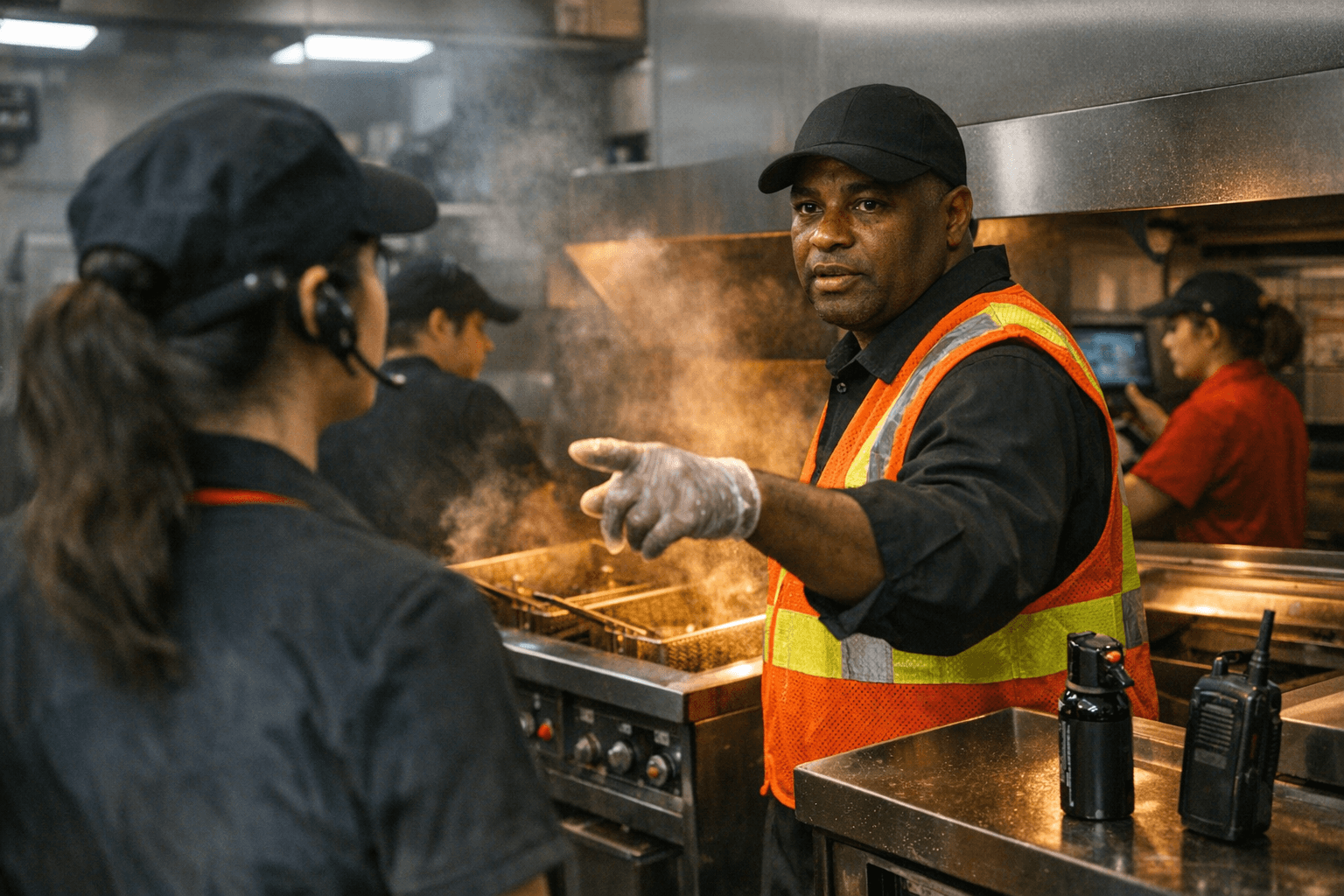
A crew member who is harassed on the fryer line, a shift lead who shrugs off a complaint, or a customer who turns abusive at the counter now runs into McDonald’s clearest public line on workplace conduct. The company says its Safe & Respectful Workplaces standards are meant to protect both the physical and psychological safety of restaurant workers, and that the rules apply in company-owned restaurants and franchised restaurants alike.
That matters on the floor because McDonald’s is not limiting the expectation to corporate offices or a handful of company-run locations. It is presenting the baseline as systemwide, across a business that says it has more than two million employees and crew and a global restaurant system of more than 43,000 locations. In practical terms, the company is telling workers and operators that harassment prevention, discrimination, retaliation and violence reduction are part of the job, not optional add-ons.
The current standards grew out of McDonald’s Global Brand Standards, which the company said were implemented in 2021 and would be evaluated beginning in January 2022. Those standards focused on four areas: harassment, discrimination and retaliation prevention; workplace violence prevention; restaurant employee feedback; and health and safety. For workers, that combination is important because it stretches beyond the obvious risk of a physical altercation and into the everyday realities of restaurant life, including whether a manager can ignore complaints, retaliate after a report, or create a climate where people keep quiet.
McDonald’s also draws a line between where it has direct control and where it does not. Its Purpose & Impact materials say company employees and company-owned restaurants fall within McDonald’s direct sphere of control, while franchisees are independent business owners who maintain core brand standards. That distinction is exactly where many restaurant workers live day to day, especially in franchised stores where the crew may be wearing the same uniform and serving the same menu but reporting through a different operator.
The company’s own review process suggests the issue remains central. McDonald’s said its civil rights audit stretched across roughly 18 months, drawing interviews and document review from employees, franchisees, suppliers, external organizations and investors. The auditors recommended that the company keep prioritizing managerial skills and accountability, and deepen engagement with outside groups.
McDonald’s has also kept tying workplace culture to broader inclusion goals. In a January 6, 2025 message to owner/operators, employees and suppliers worldwide, the company said more than 30% of U.S. leaders came from underrepresented groups and that it had reached gender pay equity at all levels and in every market. Its human-rights materials also frame freedom from discrimination and harassment, equal opportunity, and a safe and healthy workplace as core rights. For restaurant workers, the message is plain: the company is putting a public standard behind what crews should be able to expect when the line gets hot and the dining room gets tense.
Know something we missed? Have a correction or additional information?
Submit a Tip