McDonald’s shareholders back board, approve pay, keep leadership intact
Shareholders kept McDonald’s leadership in place, backing all 12 directors and executive pay. For crew and managers, that points to more of the same on value, digital, and execution.
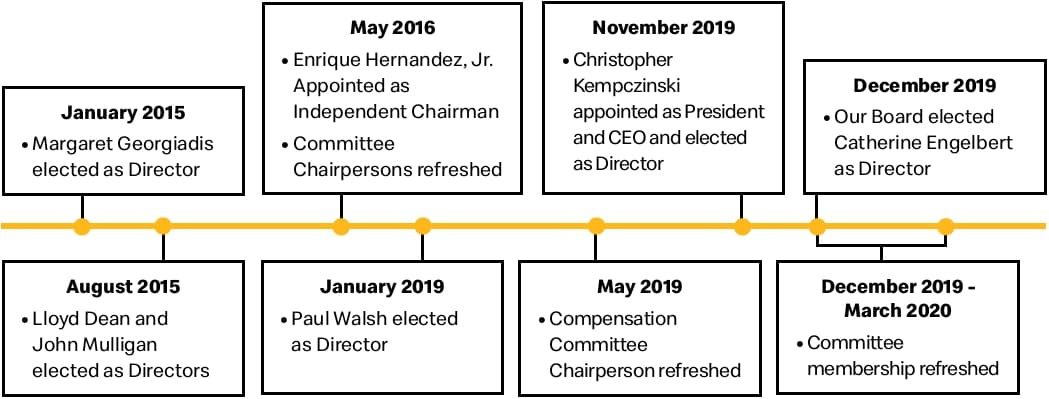
McDonald’s shareholders gave the company’s top team a clean vote of confidence on May 20, re-electing all 12 board nominees, approving executive compensation and ratifying the independent auditor. The vote, certified by Broadridge Financial Solutions, Inc. as inspector of election, keeps each director in place until the 2027 Annual Shareholders’ Meeting and leaves Chris Kempczinski’s leadership structure untouched for now.
For restaurant workers, the result matters less as a boardroom scorecard than as a signal of what comes next in the stores. When McDonald’s keeps the same directors, the same chairman and CEO, and the same compensation framework, the company is usually betting on continuity in the places employees feel it most: staffing levels, training expectations, drive-thru speed targets, menu changes, digital ordering, and the pressure franchise operators face to deliver it all. In a system built on franchising, that kind of continuity can make the playbook more predictable, but it also means unresolved tensions around workload and franchise relations are likely to stay inside the same strategic lane.
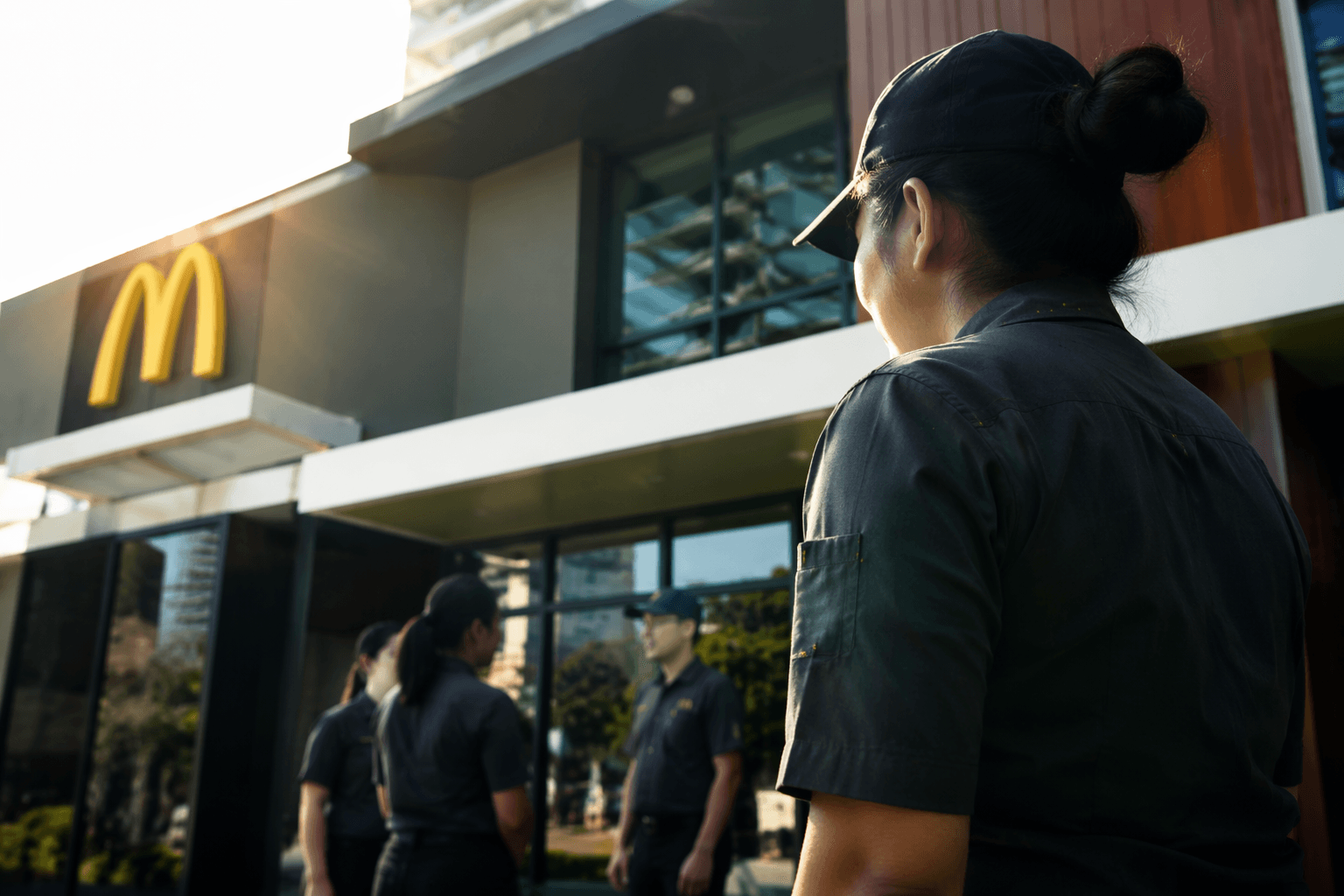
The 2026 proxy materials show management was asking for that continuity deliberately. The board unanimously recommended re-electing all 12 nominees, up from 11 at the 2025 annual meeting, and the company said the materials were mailed beginning on or about April 7 to shareholders of record as of March 23. The larger slate did not produce a reset. Instead, shareholders kept the existing structure in place, including the combined chair and CEO setup under Kempczinski, even as a shareholder proposal for an independent chair policy kept governance debate alive during the proxy season.
McDonald’s has been presenting that stability as disciplined execution rather than stasis. Its 2026 proxy materials said the company was making progress toward 50,000 restaurants by the end of 2027 and 250 million loyalty app users by the end of 2027. It also kept pressing what it calls “three for three” in value, breakthrough marketing and menu innovation, while highlighting a Global Restaurant Experience function meant to move ideas into restaurants faster and improve the tools crews rely on during peak periods. For workers on the floor, that usually translates into more standardized systems and faster rollouts, not necessarily less pressure.
The vote does not settle the labor questions around McDonald’s, from staffing and advancement to the way technology and automation are reshaping frontline jobs. But it does tell crew members, shift managers and franchise operators something important: the people setting the pace for those changes are still the same ones, and the company’s next phase will be built around execution, not reinvention.
This article was produced by Prism’s automated news system from verified source data, official records, and press releases, then run through automated quality and moderation checks before publishing. The system is built and supervised by the people who set the standards it runs under. Read our full AI policy.
Did this article answer your question?