McDonald’s Troy, Texas restaurant closes after carbon dioxide leak sickens workers
A soda fountain leak at a Troy McDonald’s sent workers to the hospital and shut the store down, exposing a hidden hazard crews may face on any shift.
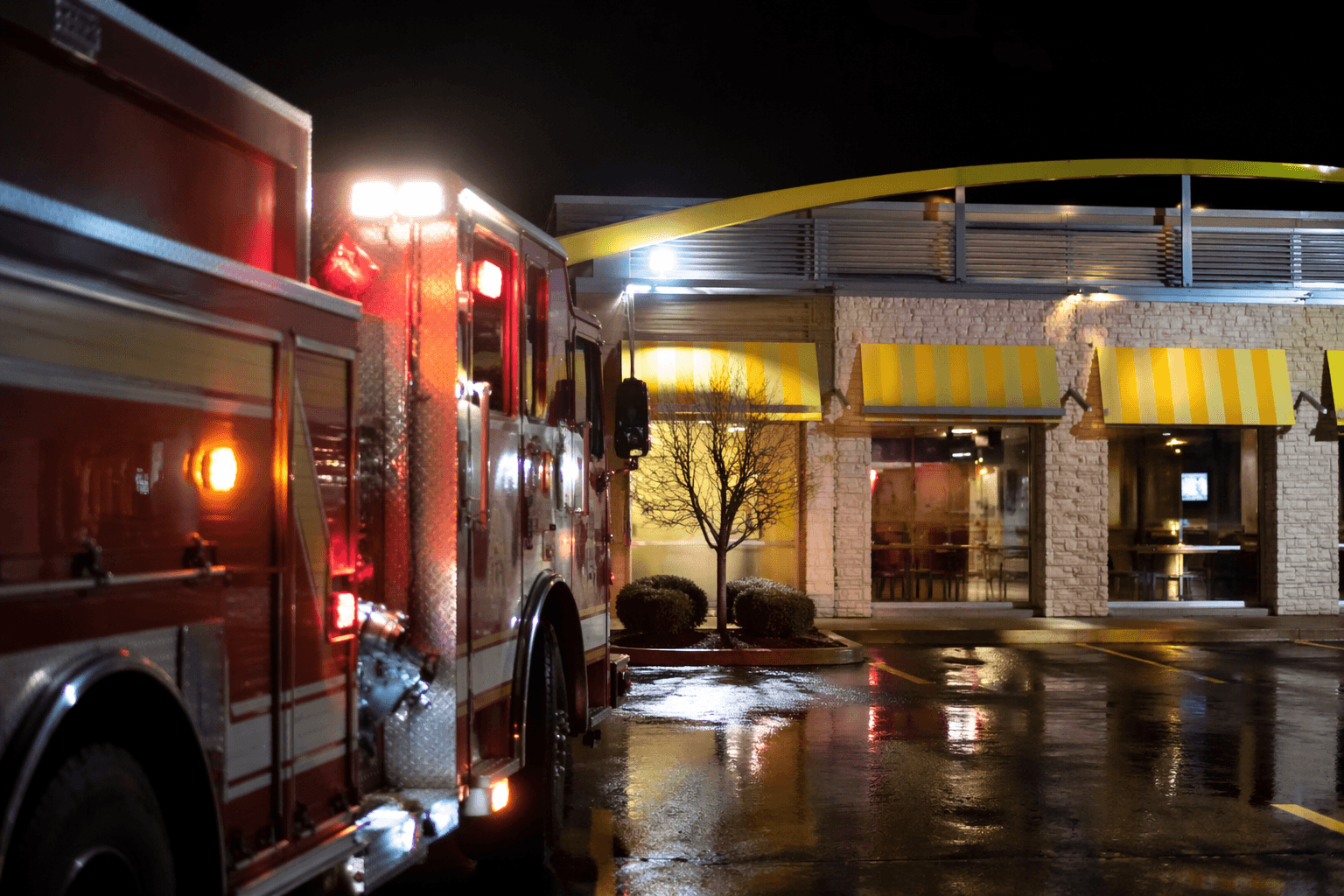
A carbon dioxide leak at McDonald’s on Cotton Gin Road in Troy, Texas, sent employees to medical care and forced the restaurant to close the same evening. The Bell County Public Health District confirmed the gas came from a soda fountain machine at 1610 Cotton Gin Rd., turning a routine beverage-system failure into a workplace emergency.
Troy Volunteer Fire Department officials said crews responded to three calls for service at the restaurant that night. Two employees were transported by ambulance at 7:11 p.m., and three more were taken at 8:43 p.m., after workers reported dizziness, nausea and trouble breathing. The Bell County Public Health District later said six employees ultimately sought medical care, while employees told KCEN 6 News the number hospitalized may have been at least 10.
The restaurant voluntarily closed around 8:30 p.m. as maintenance crews repaired the problem and reopened about 10:30 a.m. the next day. Some employees said they shared videos showing a flashing carbon dioxide warning detector before they became ill, a detail that points to how quickly a beverage-line problem can move from a warning light to ambulance transport on a busy shift.
The incident is a sharp reminder that carbon dioxide is not just a behind-the-scenes ingredient in fountain drinks. OSHA has warned that beverage-dispensing CO2 systems can create an asphyxiation hazard if gas accumulates, and that severe concentrations can displace oxygen and cause death in less than 15 minutes. OSHA’s workplace guidance lists dizziness, headache, sleepiness, dyspnea and increased respiratory rate as symptoms of exposure.
NIOSH lists carbon dioxide as a colorless, odorless gas and sets a revised immediately dangerous to life or health level at 40,000 parts per million. OSHA’s workplace method sets an 8-hour exposure limit of 5,000 parts per million and a short-term limit of 30,000 parts per million. For restaurant crews and shift managers, that means a malfunctioning soda system is not a minor service issue. It is a gas event that can require evacuation, medical evaluation, incident reporting and a fast decision on who has the authority to shut down an area.
The Bell County Public Health District later closed its investigation, but the Troy case leaves a blunt lesson for fast-food kitchens: the most dangerous problems are often the ones nobody can see until workers start feeling sick.
This article was produced by Prism’s automated news system from verified source data, official records, and press releases, then run through automated quality and moderation checks before publishing. The system is built and supervised by the people who set the standards it runs under. Read our full AI policy.
Know something we missed? Have a correction or additional information?
Submit a Tip