McDonald’s U.S. restaurant count rises, franchised system drives growth
McDonald’s added 147 U.S. restaurants in 2025, and that growth could mean more openings, transfers, and promotions, but also more franchise-level control.
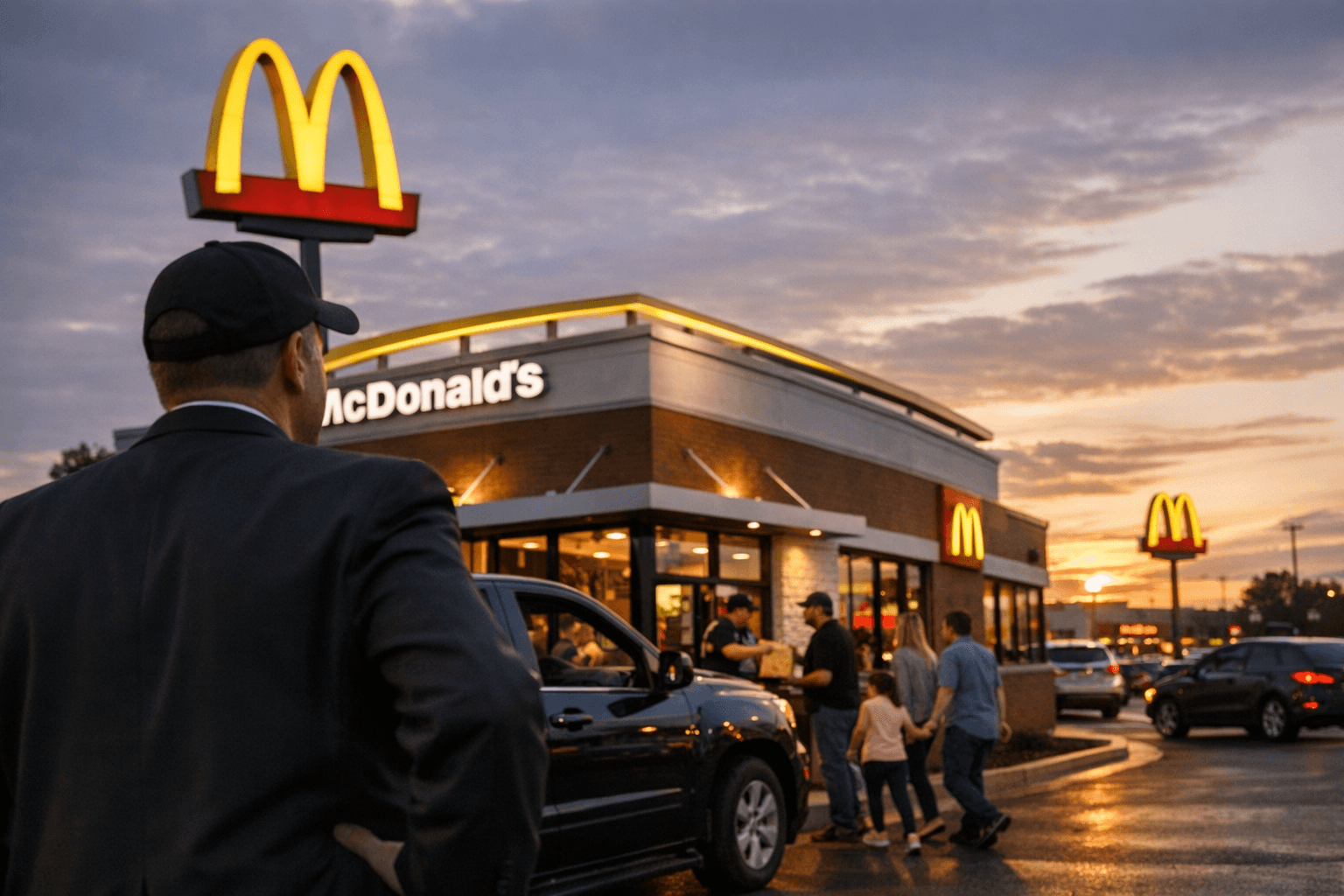
McDonald’s U.S. footprint is growing again, and for crew members and managers that means more than a bigger map of golden arches. The chain finished 2025 with 13,706 U.S. restaurants, up 147 from a year earlier, its strongest domestic net gain since 2001-2002. With about 750 more U.S. openings expected in 2026, the company is signaling a period of expansion that could create more jobs, more shift leader promotions, and more chances to transfer between stores, while also putting more pressure on operators to keep staffing and service consistent.
The numbers show how large the machine has become. McDonald’s ended fiscal 2025 with 43,356 restaurants worldwide, and its U.S. system was 13,062 franchised stores and 644 company-owned locations at year-end. That mix matters on the floor: when a system is more than 95 percent franchised, hiring rules, scheduling, discipline, local pay practices, and even restaurant culture can vary more from one owner to the next, despite the same brand on the sign. For workers, the expansion can open doors, but it can also mean that the rules of the job depend more on the local franchisee than on McDonald’s corporate headquarters in Chicago.
McDonald’s expects about 2,600 restaurant openings in 2026, including roughly 750 in the United States, as it works toward a long-term goal of 50,000 restaurants globally by the end of 2027. In its 2025 annual report, the company said it exceeded its development plan for the year with nearly 2,300 gross openings. It also said its global systemwide sales rose 7% in 2025 to more than $139 billion, while sales to loyalty members climbed 20% to nearly $37 billion and 90-day active loyalty users reached nearly 210 million. Those are investor metrics, but on the restaurant side they translate into more kitchens to staff, more service windows to cover, and more managers needed to train the next wave of crews.
The growth story is not just about new stores. It is also about who gets to control them. Some franchisees have pushed back against McDonald’s value-pricing focus, and the National Owners Association has adopted a Franchisee Bill of Rights centered on pricing autonomy, according to February 2026 reporting. That tension matters to workers because expansion does not automatically mean better jobs or steadier schedules. It can mean more opportunity, but it can also mean more layers of control, with franchise owners deciding how much of the brand’s growth reaches the people running the lunch rush.
Know something we missed? Have a correction or additional information?
Submit a Tip