McDonald’s workers demand ICE response plans after San Jose walkout
A San Jose McDonald’s walkout turned ICE fears into a staffing crisis, forcing crews to ask who protects the shift if agents show up.
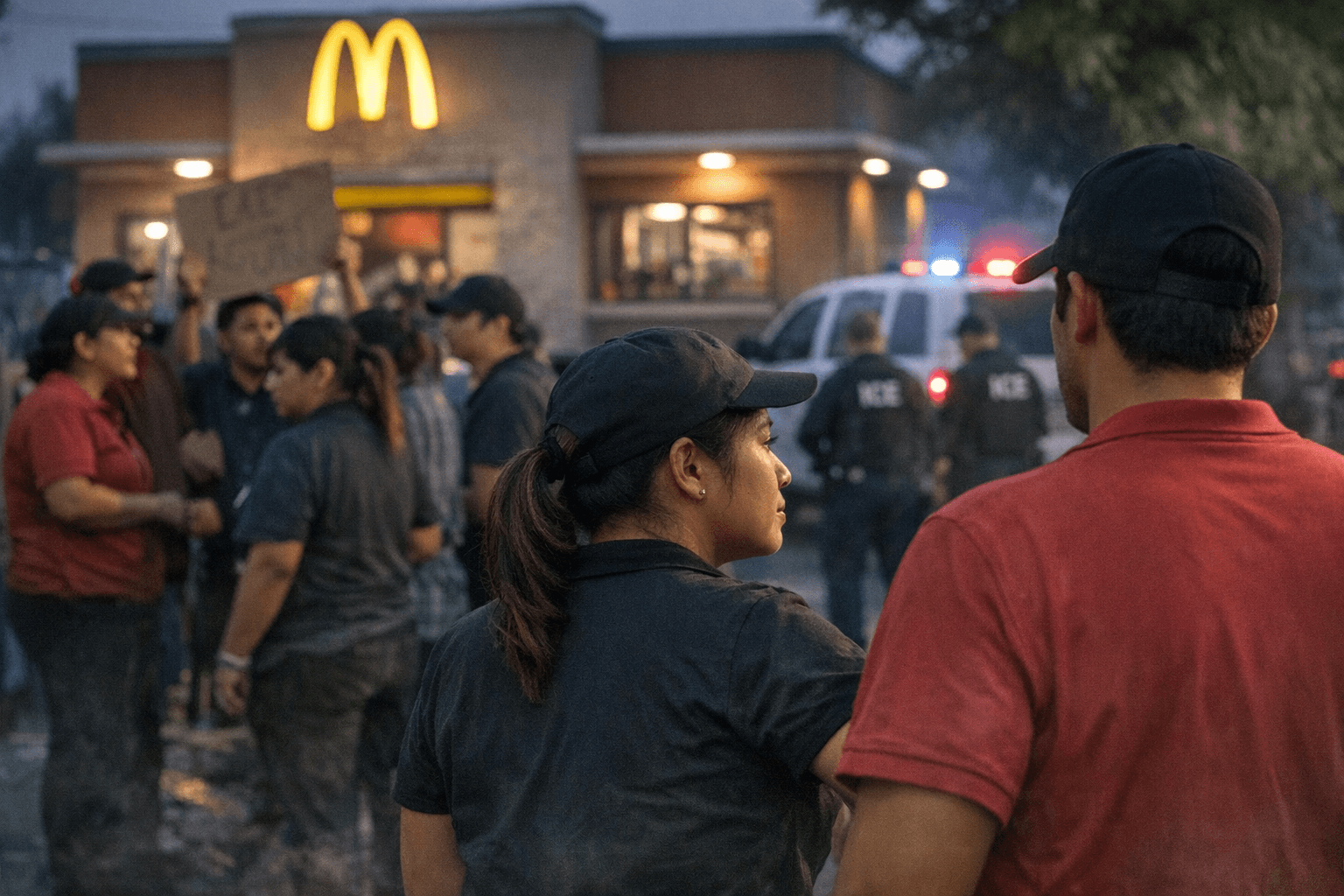
Workers at a San Jose McDonald’s walked off the job after management would not say whether it would support employees if ICE arrived. For crews already juggling thin staffing and constant turnover, the dispute was not about politics in the abstract. It was about whether the store had a plan, whether managers knew the law, and whether people felt safe enough to clock in.
The demand now spreading among California fast-food workers is simple on paper and complicated in practice: employers should sign an ICE-response pledge and train managers on what to do if agents appear. That means knowing that California law does not allow voluntary consent for immigration agents to enter nonpublic areas without a judicial warrant, that workers must be notified within 72 hours if the company receives notice of an immigration inspection of I-9 forms or other records, and that employees can designate an emergency contact if they are arrested or detained at work. The California Labor Commissioner says violations of those rules can bring penalties of up to $10,000 per violation.
That legal framework matters because the fast-food workforce in California is especially exposed. A UCLA Labor Center report cited in the worker organizing effort found that about 60% of California fast-food workers are Latino, nearly two-thirds are women and more than a quarter are immigrants. In that setting, a rumor about enforcement can hit the schedule as hard as any labor shortage. Workers have said the fear of ICE has made some people hesitant to come in at all, turning immigration enforcement into an immediate staffing and safety issue for restaurants that run on speed, predictability and trust.
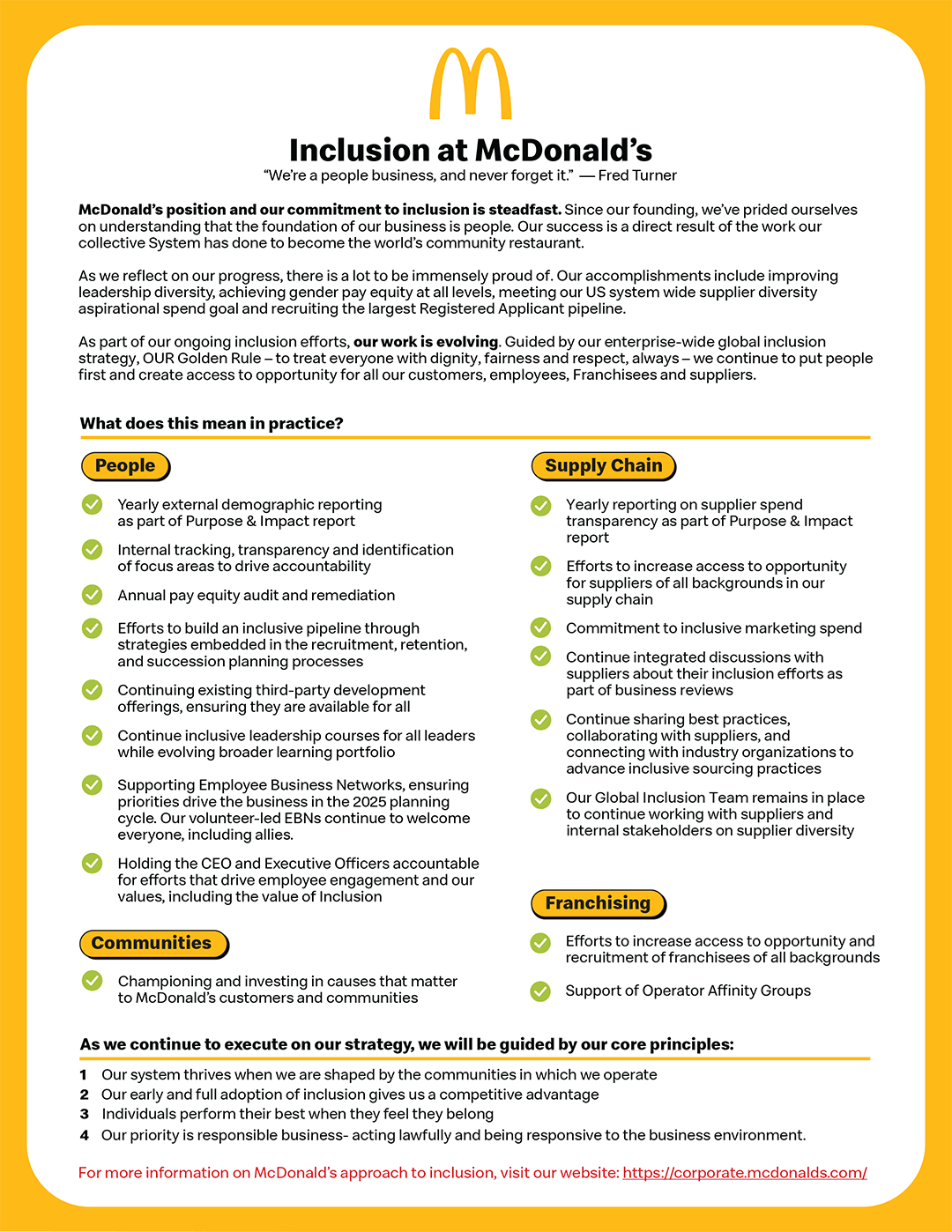
McDonald’s says its People Brand Standards apply across company-owned and franchised restaurants, and that the standards are meant to promote safe, respectful, inclusive workplaces and prevent harassment, discrimination and retaliation. The San Jose walkout showed how fragile that promise can feel on the floor of a franchise restaurant, where crew members often look first to local management for answers. The company’s franchise system means those answers can vary store by store, even when the brand says the standards are universal.
The sensitivity is not new. In May 2022, the Justice Department reached a settlement with Sutherland Management Company, a California McDonald’s franchisee with four San Diego-area restaurants, after investigators said it had demanded specific immigration documents from non-U.S. citizens instead of letting workers choose valid documents. That history still hangs over how immigrant employees interpret manager behavior.
San José has already acknowledged the strain on immigrant households, approving at least $1 million in June 2025 for legal defense, community support during raids and financial relief for families after arrests. For McDonald’s operators, the lesson is direct: if crews think a store has no response plan, attendance, morale and retention can fall fast, and the next walkout may come with far less warning.
This article was produced by Prism’s automated news system from verified source data, official records, and press releases, then run through automated quality and moderation checks before publishing. The system is built and supervised by the people who set the standards it runs under. Read our full AI policy.
Did this article answer your question?