McDonald's weighs more franchising as company-owned margins slide
McDonald’s is reviewing more refranchising after U.S. company-store margins fell 25%, a move that could shift pay, scheduling and HR control for 641 stores.
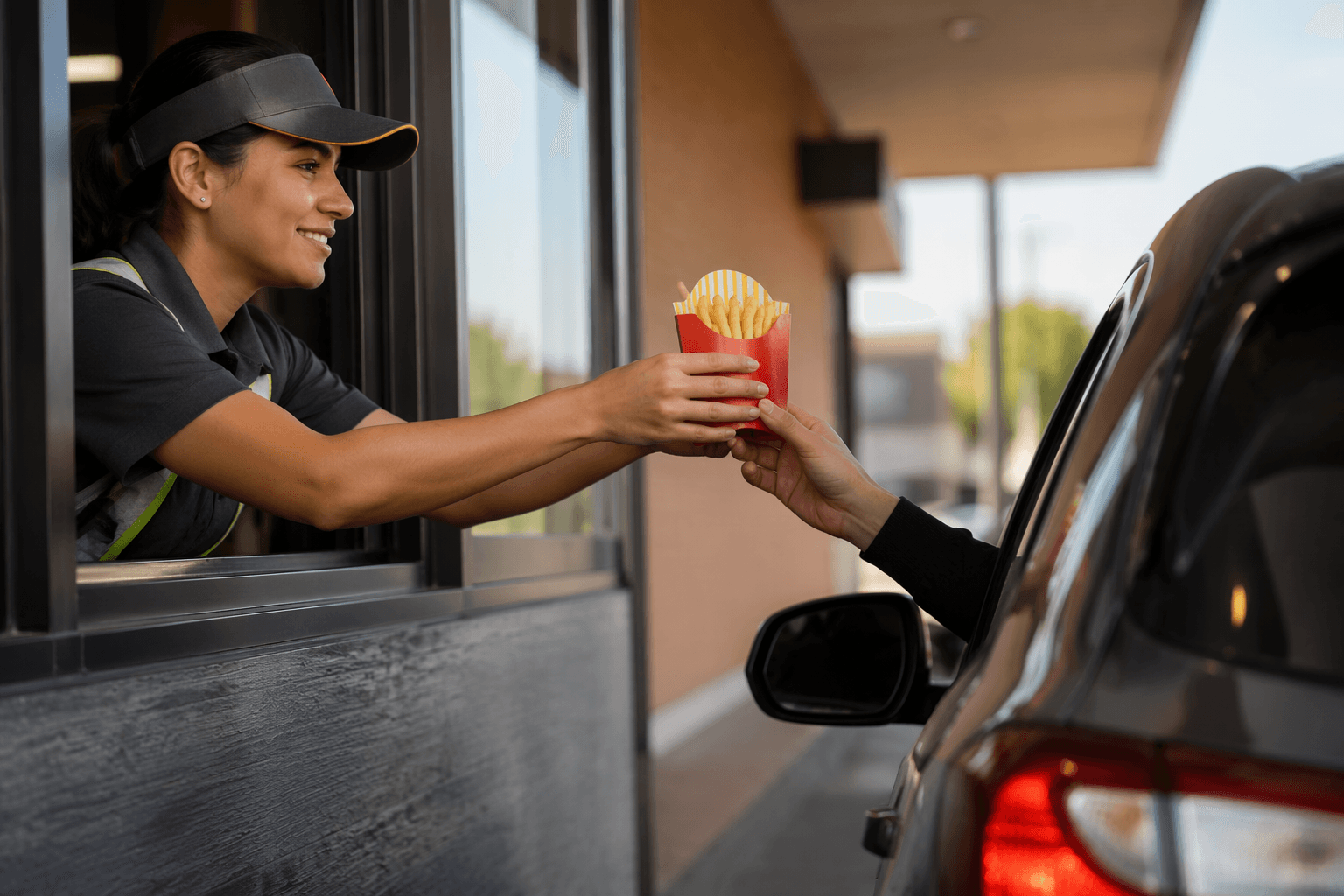
When McDonald’s weighs selling more company-run restaurants to franchisees, the change is not just about margins in Chicago. It can decide who approves hours, which HR system handles a worker’s complaint, and whether crew members report to a corporate manager or an independent operator.
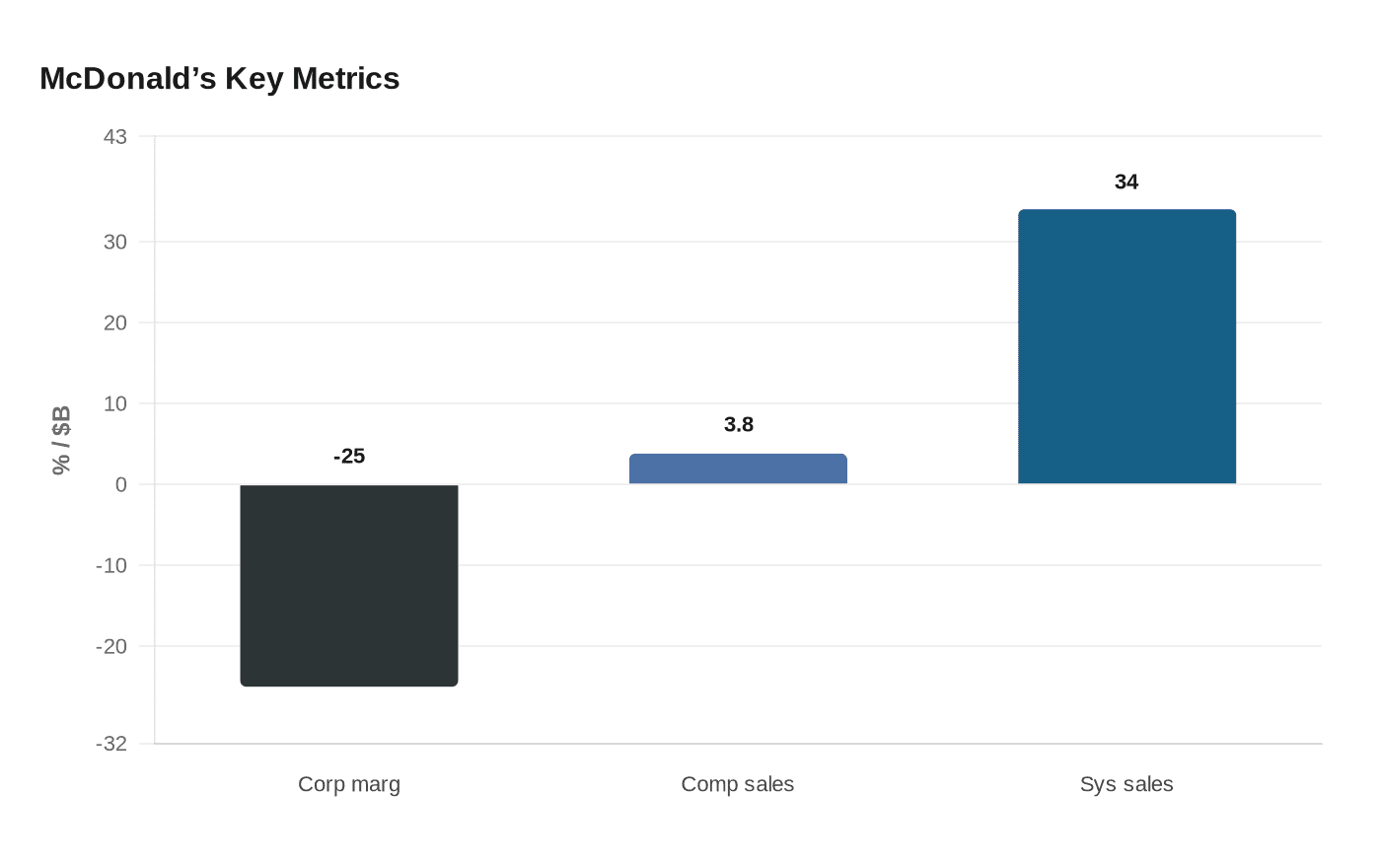
That is the pressure point now inside McDonald’s. On May 7, the company said U.S. company-operated margins were “not acceptable,” and CFO Ian Borden said McDonald’s was reviewing whether some restaurants would be better in franchise hands. Corporate store margins fell 25% year over year in the first quarter, a sharp reminder that the restaurants McDonald’s owns outright are under strain even as the broader system keeps growing.

The company ended the quarter with 641 company-owned U.S. restaurants out of 13,728 U.S. locations. Those are the stores most likely to feel any new refranchising first. If McDonald’s shifts them to franchisees, employees may keep the same uniforms, grills and menu boards, but the practical rules can change fast: payroll may move, scheduling may be set by a different manager, training may follow a different operator’s playbook, and benefit access can vary depending on the franchise organization that takes over.

McDonald’s is already a heavily franchised system. It says about 95% of its more than 44,000 restaurants in over 100 countries are owned and operated by independent local business owners. That means more franchising would extend an existing model, not invent a new one. But the company has been trying to tighten the guardrails. In December 2025, it said it was enhancing global franchising standards, effective January 1, 2026, with pricing decisions more closely reviewed to make sure they deliver value.
That matters because pricing, labor and execution have become linked inside the system. McDonald’s first-quarter 2026 results showed global comparable sales up 3.8% and global systemwide sales up 11% to more than $34 billion, so the pressure is not about a weak brand. It is about which ownership mix can deliver stronger returns without squeezing stores that need more labor, more training and better day-to-day support.
The franchise side is not standing still either. In January 2026, the National Owners Association approved a 15-point bill of rights that included a right to set prices, a sign that operators want more say over local economics. McDonald’s has been down this road before, saying in 2017 that it aimed to refranchise about 4,000 restaurants by the end of that year. The latest move suggests the same old debate is back, with workers once again stuck in the middle of a fight over who controls the store.
This article was produced by Prism’s automated news system from verified source data, official records, and press releases, then run through automated quality and moderation checks before publishing. The system is built and supervised by the people who set the standards it runs under. Read our full AI policy.
Did this article answer your question?