McDonald’s, Wendy’s sued over burger ads that exaggerated portion sizes
A federal judge tossed burger-size claims against McDonald’s and Wendy’s, but the case spotlighted how menu photos can make a sandwich look 15% to 20% bigger.
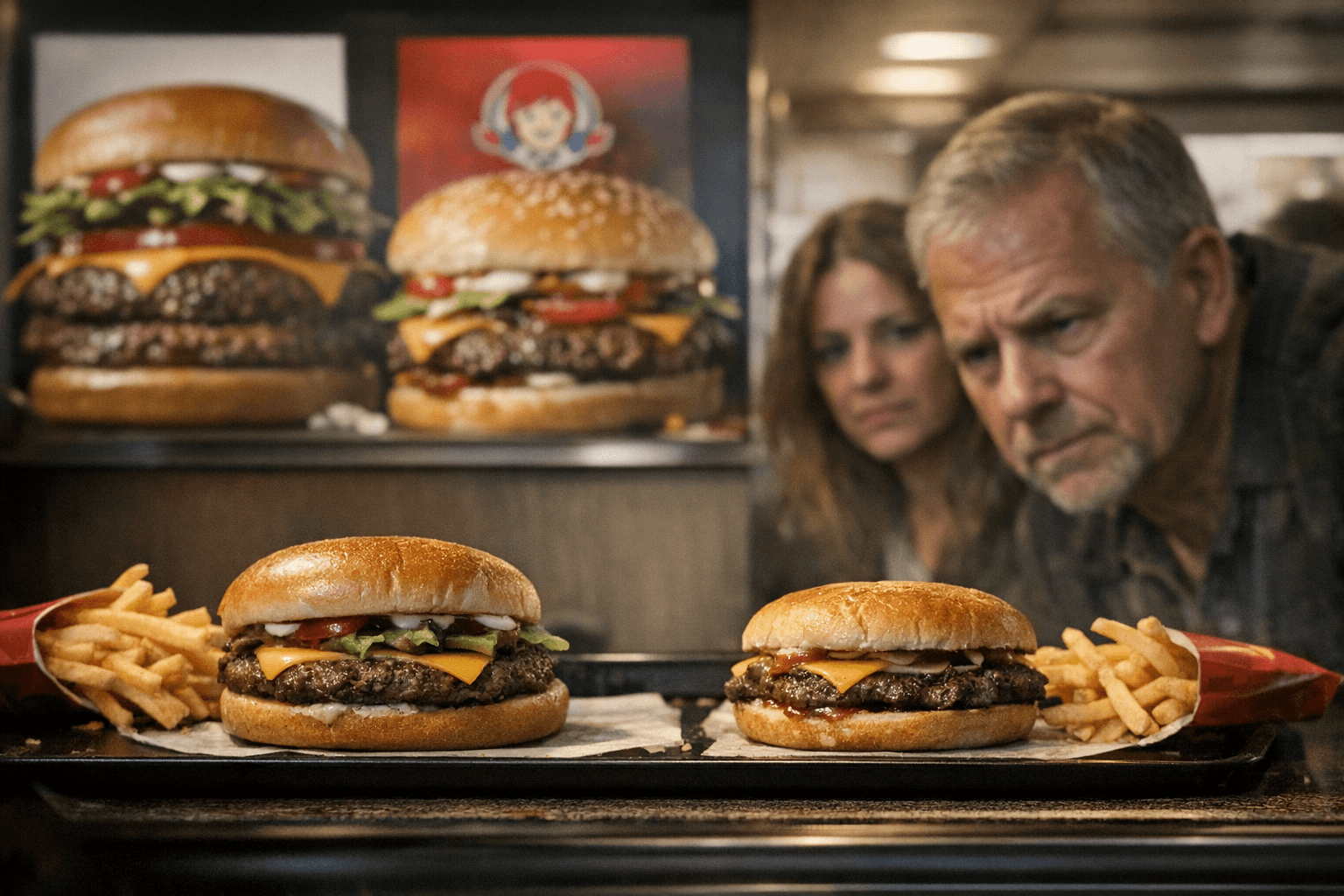
A federal judge threw out a proposed class action that accused McDonald’s and Wendy’s of making their burgers look bigger in ads than they were in customers’ hands, but the case kept alive a familiar fast-food fight over visual trust.
The lawsuit, filed in May 2022 in the U.S. District Court for the Eastern District of New York by Suffolk County resident Justin Chimienti, targeted Wendy’s Dave’s Single and Bourbon Bacon Cheeseburger, along with McDonald’s cheeseburger advertising. Chimienti alleged the chains used images that showed partially cooked patties and made the burgers appear about 15% to 20% larger than the actual products. The complaint said the ads were meant to steer diners away from competitors, turning menu photography into a sales tactic as much as a representation of what was served.
On September 30, 2023, U.S. District Judge Hector Gonzalez dismissed the case. The court found Chimienti had not adequately alleged injury because he did not say he had actually seen the challenged ads. Gonzalez also noted that the companies’ website images included meat weight and calorie counts, which undercut the claim that the marketing was purely deceptive. The case was terminated in early October 2023.
For McDonald’s workers and franchise operators, the dispute reflects a tension that runs through the chain’s culture: corporate marketing sets the expectation, but the crew at the counter is left to answer for what arrives in the box. A Big Mac or cheeseburger may be photographed under controlled lighting and styling, but the customer experiences the sandwich at a local restaurant, where consistency is judged in seconds.
The case also fit into a wider wave of food and fast-food advertising lawsuits, including a similar burger-size challenge against Burger King. That broader pattern is why consumer advocates and plaintiff-side lawyers have kept pressing the issue, even as many of these cases end in dismissal or settlement. The legal bar is high, and plaintiffs have to show more than disappointment. They have to show a real injury tied to the ads themselves.
For workers across the system, from crew members assembling orders to managers handling complaints, the stakes are plain: when national marketing creates a bigger promise than the kitchen can match, the gap can land on the front line.
Know something we missed? Have a correction or additional information?
Submit a Tip