McDonald's workers brace for value-focused diners as consumer sentiment sinks
Value orders are reshaping McDonald’s shifts as low consumer sentiment and higher gas prices push diners to trade down and skip add-ons.

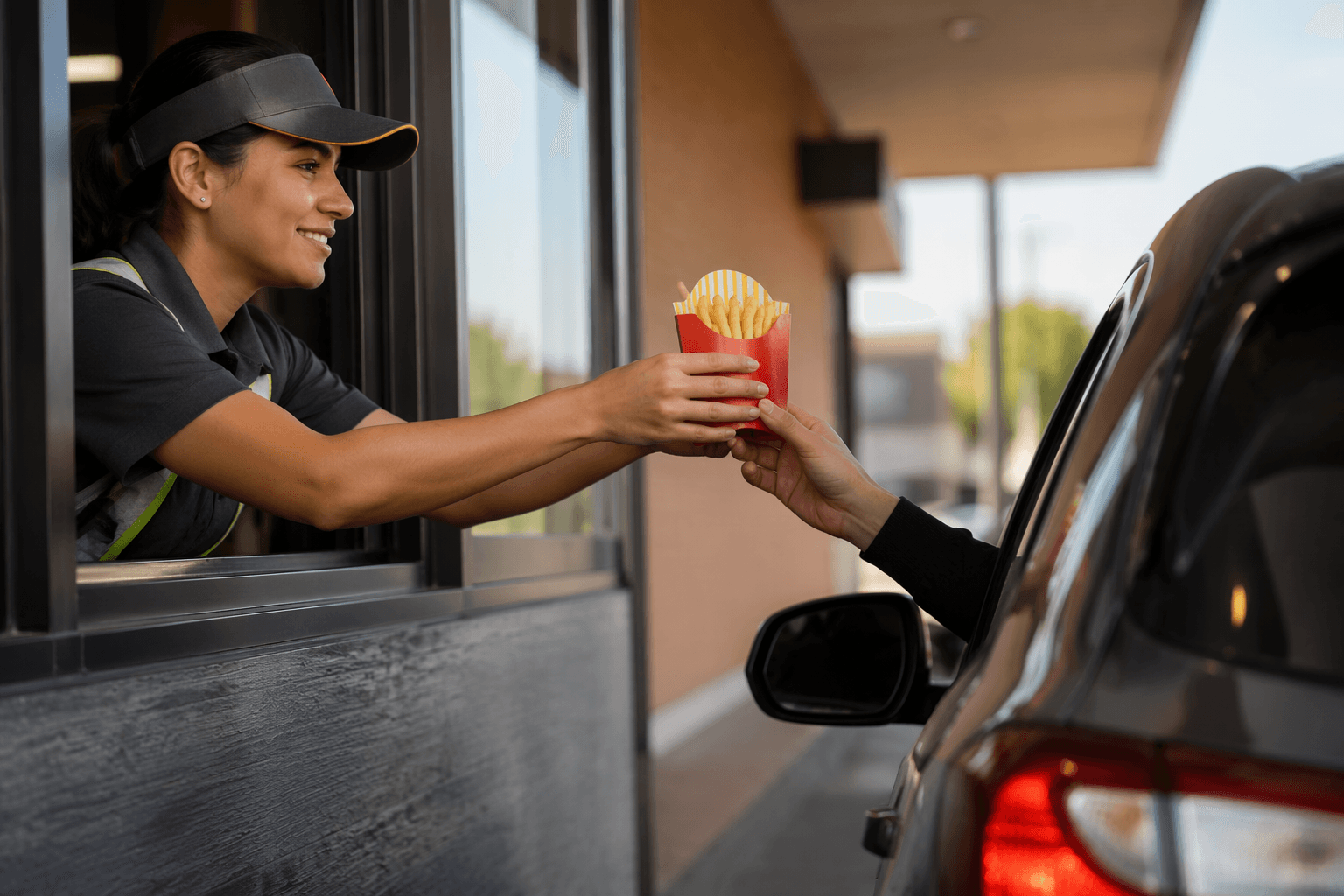
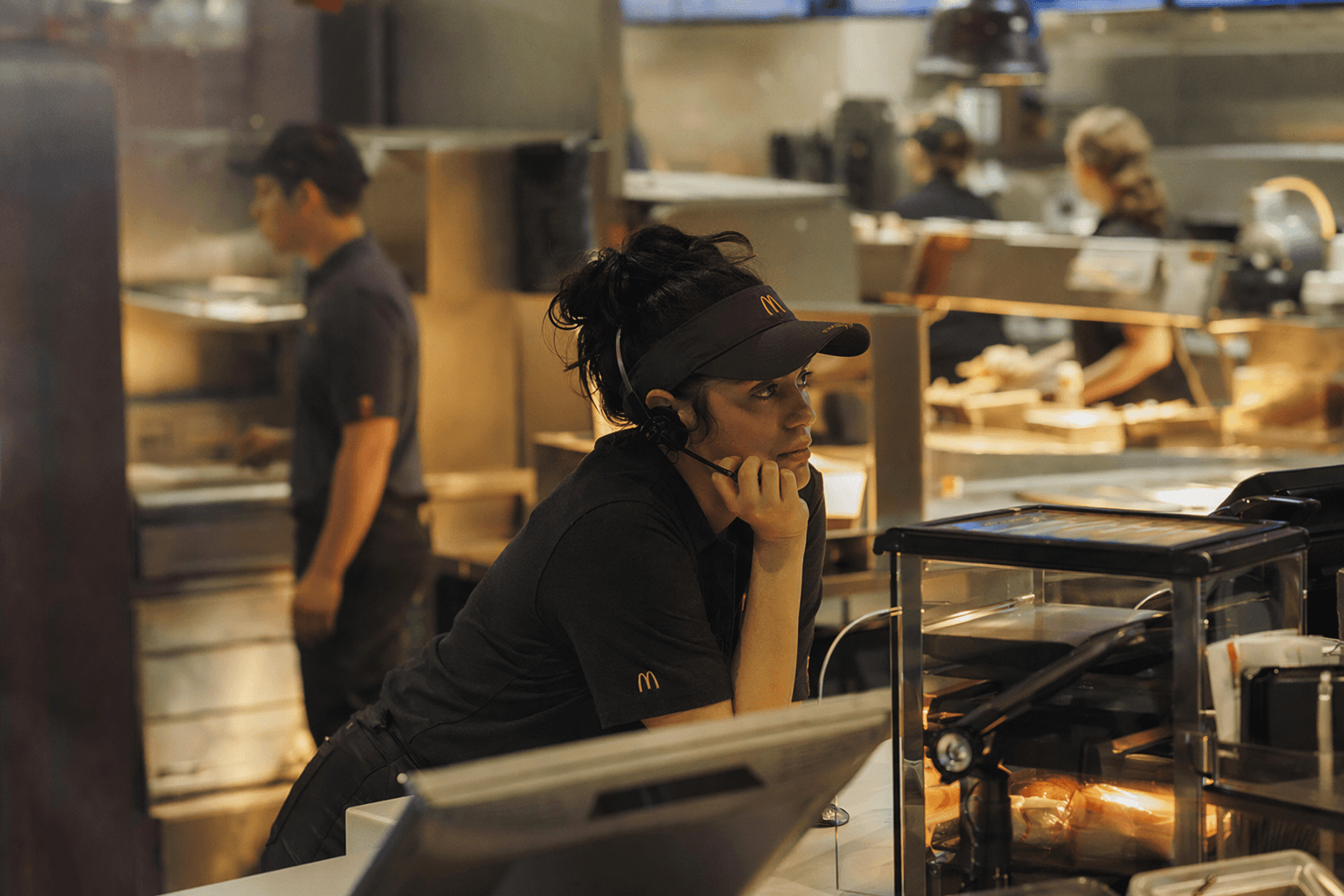
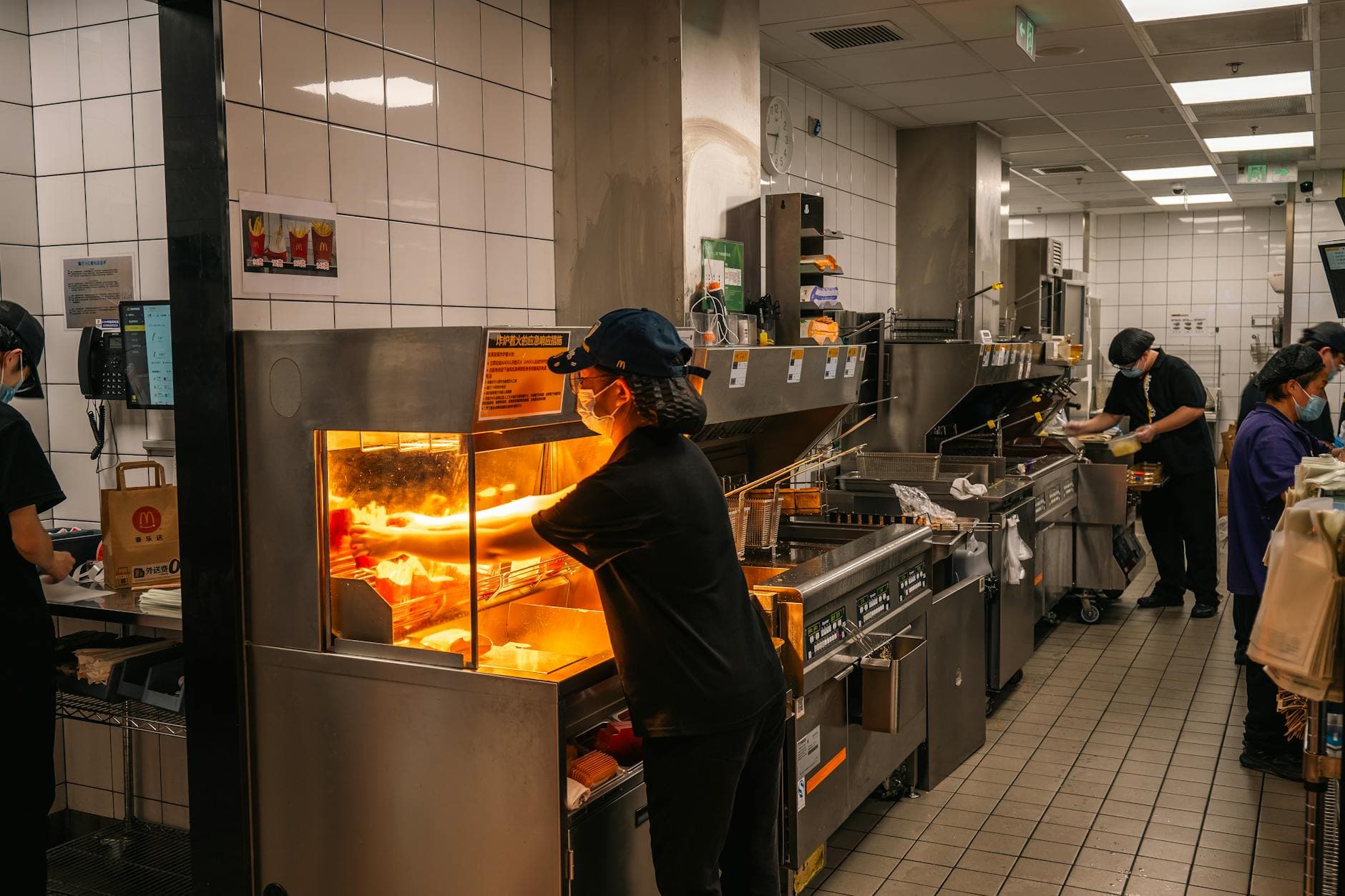
At McDonald’s counters, the pressure is showing up less as a straight drop in traffic than as a cheaper basket. Guests are hunting for discounts, skipping extras and choosing more practical meals, a shift that makes labor planning harder by daypart and puts more weight on the crew member trying to keep the line moving while the order mix keeps changing.
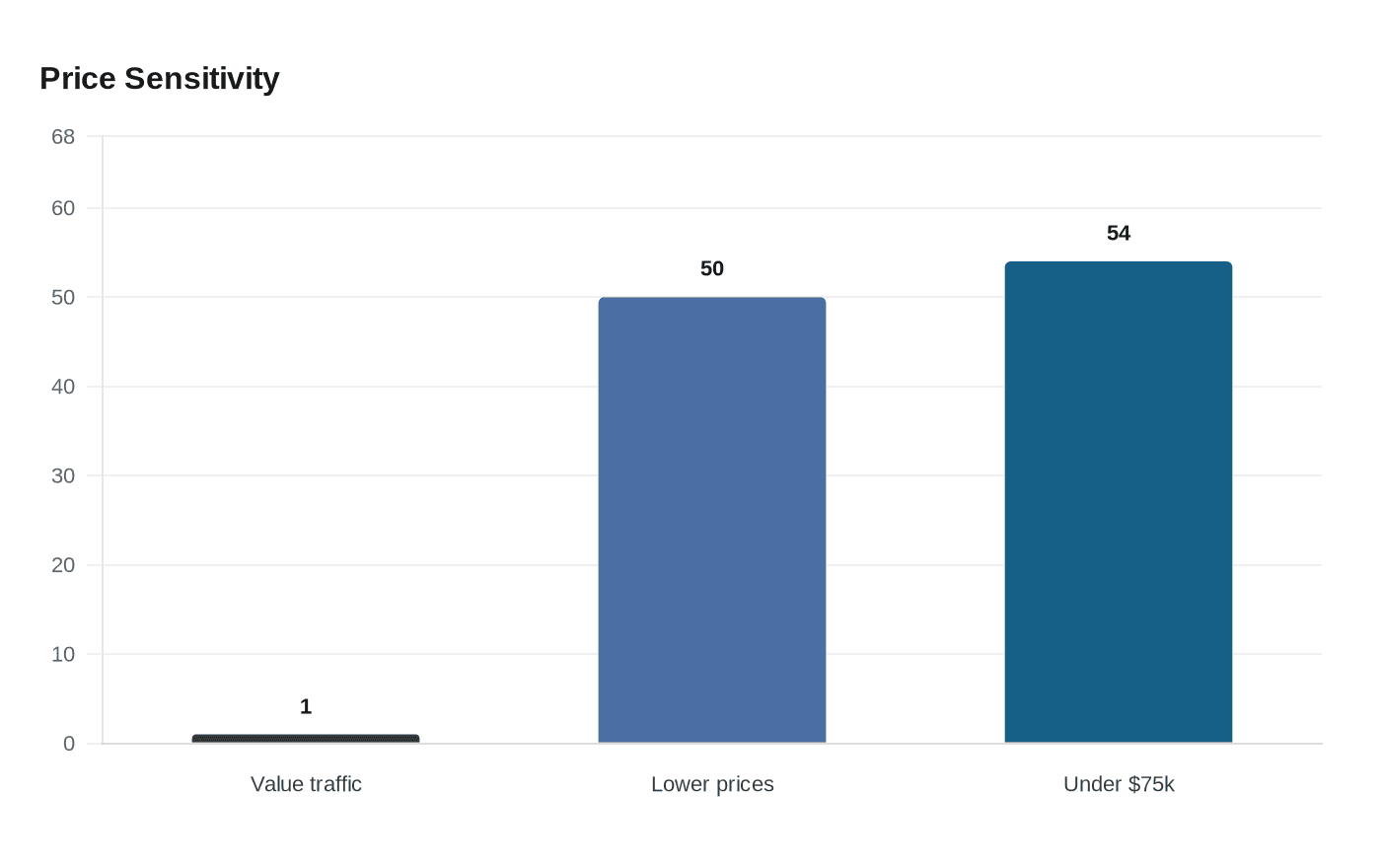
That strain sits on top of an anxious consumer backdrop. Restaurant operators at the National Restaurant Association Show described sentiment as unusually weak, even below some pandemic-era readings, with higher gas prices adding to the squeeze. Circana data cited in the industry showed consumer-perceived value menu traffic rose 1% in the quarter ending June 2025 even as overall traffic fell, and 50% of diners who had not recently eaten out said lower prices would get them back in the door. Among households under $75,000, that figure climbed to 54%.
For McDonald’s, that is not abstract market chatter. It is the core of the business. The chain launched McValue nationwide on January 7, 2025, with offers including Buy One, Add One for $1 and a $5 Meal Deal. On April 2, 2026, it widened the pitch again, saying starting April 21 at participating U.S. restaurants it would add an Under $3 Menu and a $4 Breakfast Meal Deal while continuing $5 and $6 meal deals. The message was clear: make value easier to get, and make it visible.
The company’s latest earnings underscored why that matters. On May 7, McDonald’s said first-quarter global comparable sales rose 3.8%, U.S. comparable sales rose 3.9%, revenue reached $6.52 billion and adjusted diluted earnings per share came to $2.83. But CEO Chris Kempczinski also warned that consumer spending may be “getting a little bit worse,” and said elevated gas prices hit low-income consumers disproportionately.
That split is what crew and shift managers feel first. A slower lunch can turn into an unexpectedly busy late afternoon; a breakfast crowd may look stronger on one day and softer the next. For franchisees, the challenge is to keep restaurants busy without letting value deals hollow out margins. For corporate leadership, the issue is more than pricing. It is whether McDonald’s can make its offers feel useful instead of desperate, while protecting speed, labor hours and the consistency that has always carried the brand when diners start counting every dollar.
This article was produced by Prism’s automated news system from verified source data, official records, and press releases, then run through automated quality and moderation checks before publishing. The system is built and supervised by the people who set the standards it runs under. Read our full AI policy.
Did this article answer your question?