McDonald’s workers, what the Fair Labor Standards Act requires
McDonald’s pay problems usually start with the clock. The FLSA tells you what counts as work, when overtime starts, and what records you should keep when reality and payroll diverge.

What the FLSA means on a McDonald’s shift
A McDonald’s shift can turn on a handful of minutes: clocking in before a breakfast rush, staying late to close, finishing a fry station after your scheduled end time, or cleaning up a drawer shortage you did not create. The Fair Labor Standards Act is the federal rulebook that decides when that time has to be paid, and it still matters even in an era shaped by Fight for $15 campaigns, higher state minimum wages, and more automation on the floor.
The law was enacted in 1938 and has been amended many times since. For most private-sector workers, it sets the baseline for minimum wage, overtime, recordkeeping, and child labor, with stronger state or local rules controlling when they offer more protection. In other words, the FLSA is the floor, not the ceiling, and McDonald’s workers often sit right where federal law, state law, franchise policies, and local scheduling practices collide.
The wage floor and overtime rules crew members feel first
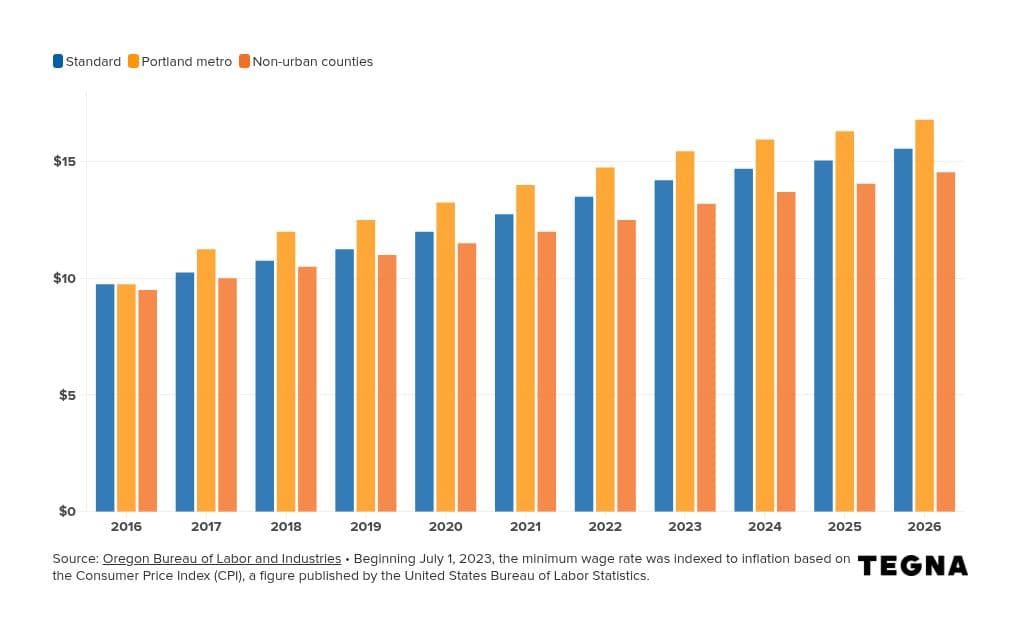
The Department of Labor says the federal minimum wage is $7.25 per hour for covered nonexempt workers, effective July 24, 2009. If state or local law sets a higher wage, that higher rate wins. That matters in fast food because one week can look ordinary on paper and then turn into overtime fast, especially during holidays, short-staffed stretches, or a rush of extra shifts.
Overtime under the FLSA is generally due after 40 hours in a workweek, at not less than one and one-half times the regular rate. For a McDonald’s crew member, that is not an abstract rule. It is the difference between a busy schedule that still pays correctly and a pay stub that quietly flattens hours across multiple shifts or misses the premium rate entirely.
What counts as work time when the shift gets messy
Restaurant work rarely ends neatly at the clock. The Labor Department says hours worked generally include time when an employee is required to be on the premises, on duty, or at a prescribed workplace. That is the reality for a crew member who gets there early to prep, stays after close to finish side work, or gets pulled off one station and onto another before heading home.
That also makes missing punches and split duties a real payroll problem. If you were told to stay in the building, finish closing tasks, wait for a manager handoff, or keep working through a break, that time can matter even if the schedule in the system says your shift ended earlier. The DOL’s Hours Worked Advisor exists because these situations are common, especially in restaurants where the workday is broken into prep, service, cleaning, and handoff tasks that can blur together.

The deductions that can quietly eat a paycheck
McDonald’s workers also need to watch deductions closely. The Labor Department says deductions for cash shortages, required uniforms, or customer walk-outs are illegal if they push pay below the minimum wage or cut into overtime pay. That is the kind of detail that can matter after a register comes up short, a shirt has to be replaced, or a customer walks out on a ticket and management looks for someone to absorb the loss.
In a fast-food workplace, these deductions can hide in plain sight because the numbers are small on any one shift. Over a month, though, they can add up. If your pay stub shows unexplained charges, or if deductions appear after a busy weekend, the question is not just whether the restaurant had a problem. It is whether the deduction illegally reduced your wage below the floor the law guarantees.
Why franchise and corporate lines matter at McDonald’s
McDonald’s is one brand, but workers know the company does not operate like one uniform employer. Corporate stores and franchise restaurants often use different payroll systems, different managers, and different levels of control, which is why the split between McDonald’s Corp. and franchise operators keeps showing up in wage disputes.
That divide was on display in California in 2019, when McDonald’s agreed to pay $26 million to settle a wage-and-hour class action involving roughly 38,000 workers at corporate-run restaurants. Reports said the average check was about $333.52, with some workers getting as much as about $3,927.91. Earlier, in 2016, McDonald’s settled a California franchise-worker case for $3.75 million, in a case centered on overtime, recordkeeping, and uniform-reimbursement claims. Those cases keep feeding the larger debate over how much control McDonald’s exerts over franchise operations and when the brand, not just the local owner, bears responsibility.
Under-18 scheduling is part of the same compliance problem
Federal wage and hour problems do not sit apart from child-labor violations. In May 2023, the Labor Department said three Kentucky McDonald’s franchise operators faced $212,000 in civil money penalties after investigators found 305 minors working illegally. The operators named in the case were Bauer Food LLC, Archways Richwood LLC, and NPT Partners I LLC.
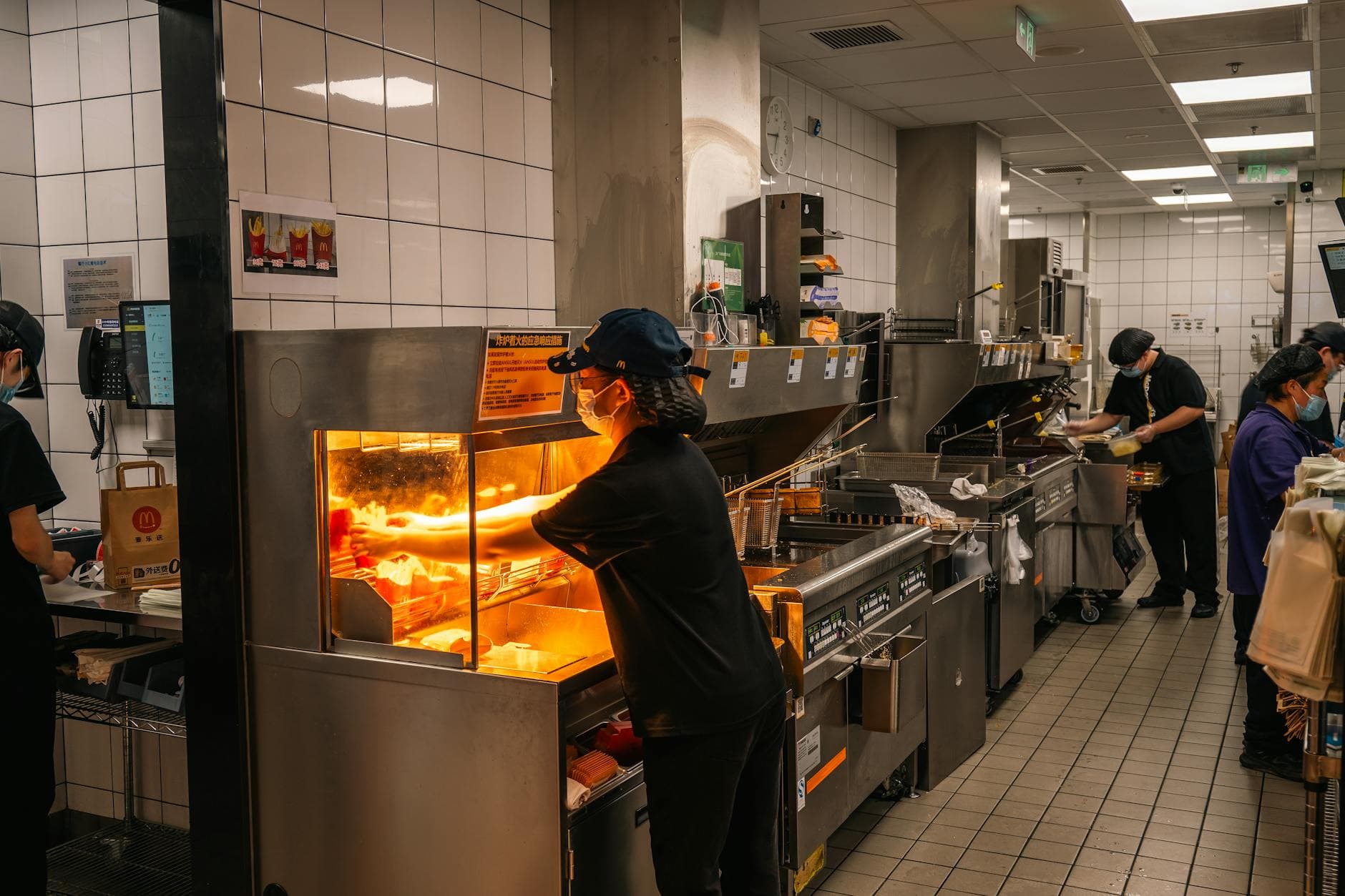
The department said two 10-year-olds were working at one Louisville McDonald’s, and one child worked until as late as 2 a.m. Investigators said minors were doing tasks that included preparing and distributing food orders, cleaning the store, working at the drive-thru window, operating a register, and, in one case, operating a deep fryer. In a separate Kentucky franchise case, the department recovered $14,730 in back wages and liquidated damages for 58 workers after finding overtime violations. The message for managers is blunt: when scheduling and age checks break down, wage violations and child-labor violations can show up in the same store.
What records to keep when your paycheck does not match the shift
The Labor Department says every employer covered by the FLSA must keep records for each covered, nonexempt worker, including accurate information about hours worked and wages earned. But workers should not wait for the employer’s records to be perfect. The department advises employees to keep their own record of the employer’s name, address, phone number, and the hours they worked.
For McDonald’s workers, the best personal paper trail is simple and practical:
- Every schedule you receive
- Your pay stubs
- Screenshots or photos of punch-in and punch-out times
- Notes about early clock-ins, late closings, missed punches, or interrupted breaks
- Any message telling you to stay on the premises or finish work after you were supposed to leave
- Records of deductions for uniforms, shortages, or other charges
That kind of record can be the difference between a vague complaint and a wage claim that shows exactly where the numbers went wrong.
The bottom line for crew, managers, and former employees
The FLSA does not solve every pay dispute at McDonald’s, but it gives workers a clear baseline: $7.25 minimum wage at the federal level, overtime after 40 hours, limits on illegal deductions, and a recordkeeping system the employer is supposed to maintain. In a workplace built on fast turns, short breaks, shifting stations, and tight staffing, the safest habit is to treat every minute like it may matter later. When the paycheck does not reflect the shift you actually worked, the record is what turns memory into proof.
This article was produced by Prism’s automated news system from verified source data, official records, and press releases, then run through automated quality and moderation checks before publishing. The system is built and supervised by the people who set the standards it runs under. Read our full AI policy.
Did this article answer your question?