McDonald’s workplace incidents raise safety, hiring and reputation concerns
A Yuba City shift manager was in intensive care after a hot-oil attack as UK harassment claims kept piling up, deepening pressure on McDonald’s culture and hiring.
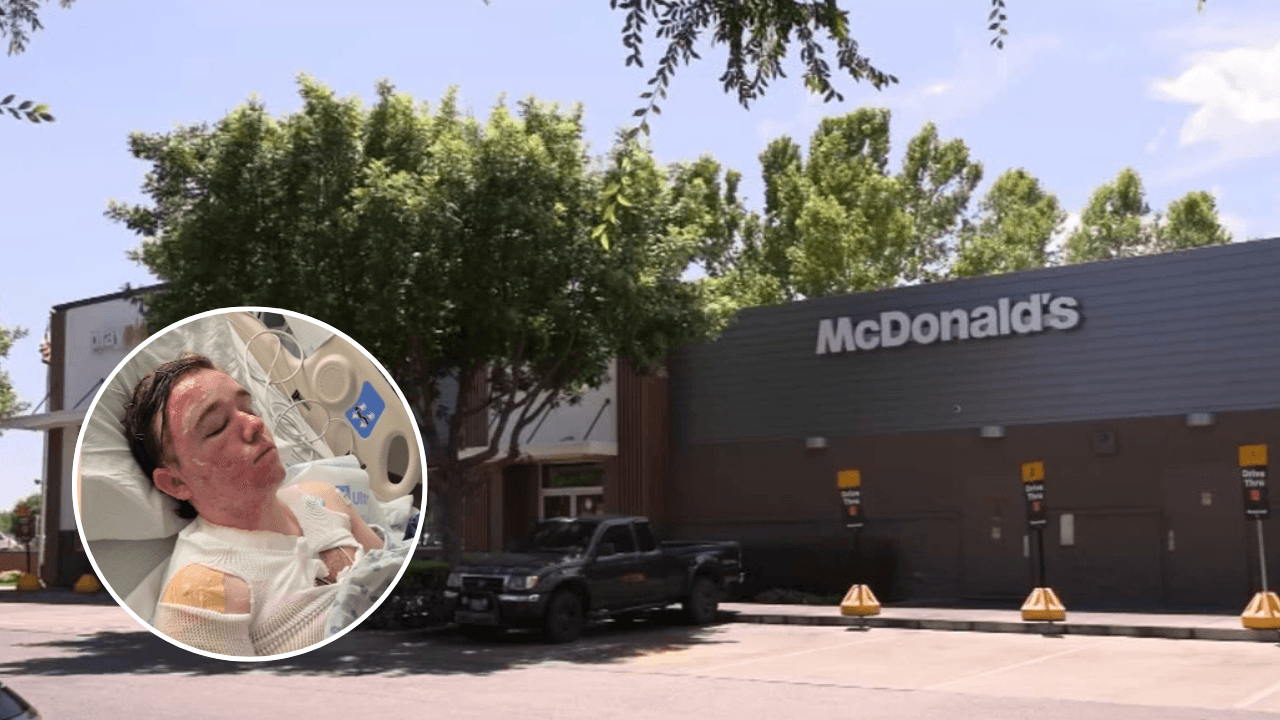
A violent hot-oil attack in Yuba City, California, and years of harassment complaints in the United Kingdom have pushed McDonald’s workplace culture into a business problem that reaches far beyond human resources. Jacob Smith, 20, a shift manager, remained in intensive care after police said a co-worker threw hot cooking oil on him at a McDonald’s on May 30. Reports said Smith suffered severe burns to his face, neck, arm and back, and his family said doctors were trying to reduce the amount of skin grafting he would need.
The California case landed in the middle of a much larger reckoning in the UK, where McDonald’s has already been forced to answer for repeated abuse allegations. BBC reporting in July 2023 said more than 100 current and former workers described abuse, including 31 allegations of sexual assault and 78 allegations of sexual harassment. McDonald’s Restaurants in the UK had signed a legally binding agreement with the Equality and Human Rights Commission in February 2023 to address sexual harassment, a sign that the issue had moved well beyond routine internal discipline.

By January 2025, the pressure had sharpened in Parliament. McDonald’s UK chief executive Alistair Macrow told MPs that the company had been alerted to 75 allegations of sexual harassment over the previous year, 47 of which were upheld with disciplinary action, and that 29 workers had been fired. At the same time, more than 700 current and former workers were bringing claims alleging bullying, discrimination, homophobia, racism, ableism and harassment across more than 450 UK restaurants. For store leaders, that kind of volume is not just a legal exposure. It is a sign that the same conduct is likely surfacing in multiple shifts, under multiple managers, and across a wide footprint.
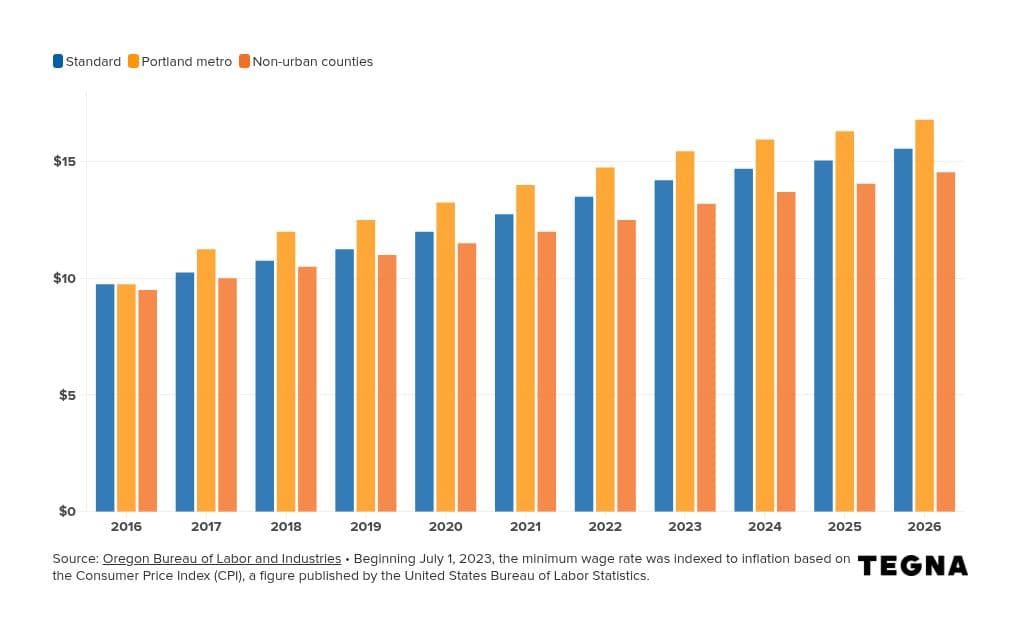
That is why these incidents matter to crews and franchise operators alike. When complaints repeat around the same supervisors, when understaffed shifts make it easier for bad behavior to go unchallenged, and when incident follow-up feels inconsistent, a restaurant starts to lose trust fast. Workers leave, hiring gets harder, and the brand absorbs the damage at the counter before corporate feels it in the numbers. In a business already under pressure from wage fights, Fight for $15-era labor demands and the spread of automation, safety and respect have become operating controls, not side issues.
This article was produced by Prism’s automated news system from verified source data, official records, and press releases, then run through automated quality and moderation checks before publishing. The system is built and supervised by the people who set the standards it runs under. Read our full AI policy.
Did this article answer your question?