OSHA urges McDonald’s workers to report hazards, file complaints fast
If a McDonald’s shift turns dangerous, OSHA gives you a fast way to report it, ask for an inspection, and protect yourself from retaliation.
What to do when a McDonald’s hazard is not getting fixed
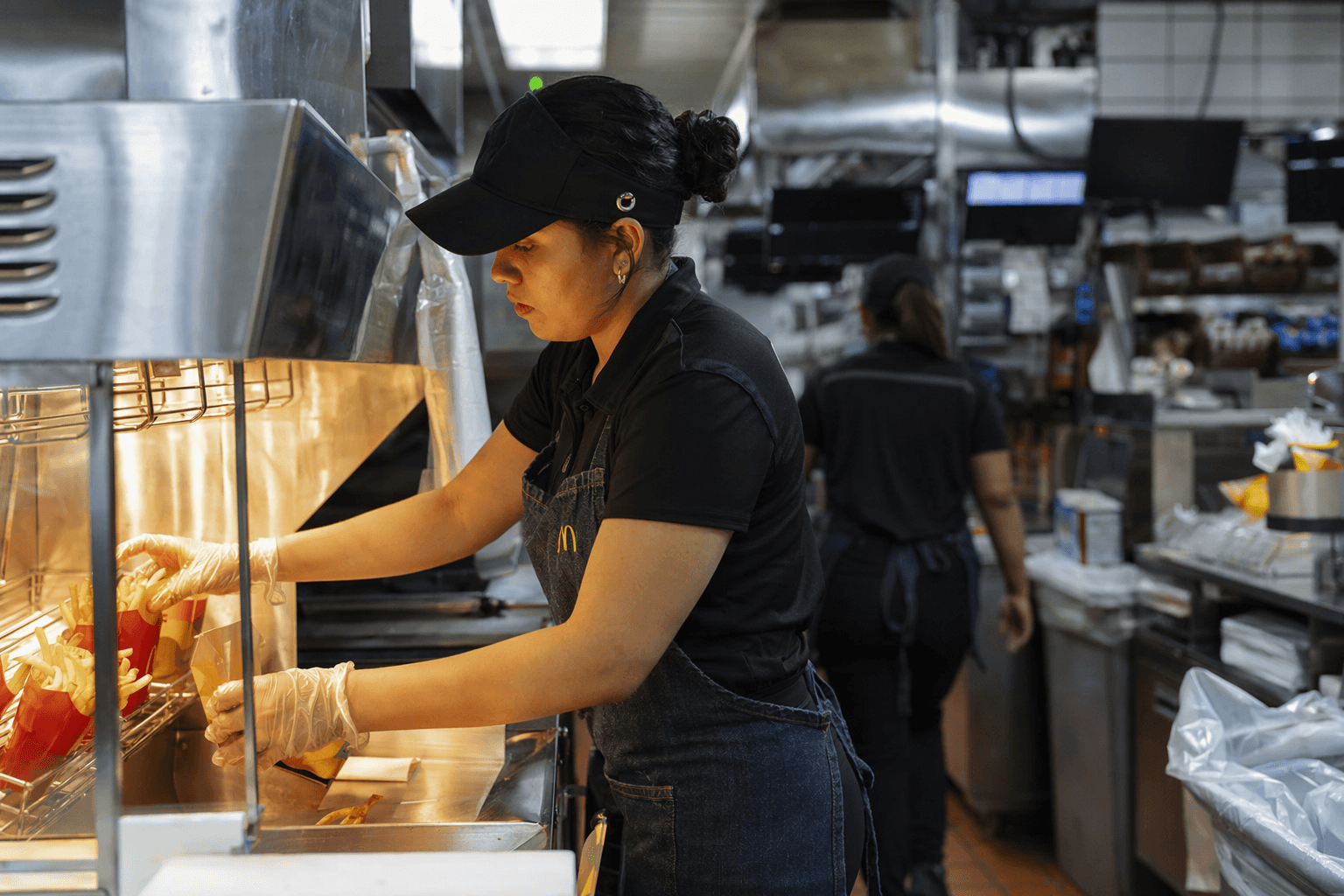
A burn from hot grease, a slick floor near the fry station, a broken outlet behind the line, or a blocked exit in a cramped back room can go from nuisance to injury in minutes. OSHA’s message to McDonald’s workers is blunt: do not wait, document the problem, and use the agency’s complaint process fast if the restaurant does not correct it.
The reason this matters is that fast food hazards tend to repeat. A single shift can bring wet floors, grease splatter, damaged equipment, delivery congestion, and prep areas so tight that one mistake affects everyone nearby. OSHA enforcement records have already turned up McDonald’s-related citations tied to burn hazards from hot grease or oil, damaged electrical outlets, and hazard communication violations, which makes these risks more than theoretical.
Start with the fastest fix, then move to OSHA if the hazard stays
OSHA says workers should report unsafe or unhealthy conditions as soon as possible, and if they can, they should first tell the employer so the hazard can be fixed quickly. That step matters in a restaurant where a manager might be able to clean a spill, shut down a faulty machine, or clear a blocked path before anyone gets hurt.
If the problem is not handled, do not assume it can wait until next week’s schedule or the next manager on duty. OSHA says safety and health complaints generally need to be filed within less than six months of the hazard or incident. For a recurring burn risk, a broken fryer, or an outlet that keeps sparking, that deadline is a reminder to act now.
How to file a complaint
OSHA says workers can file a safety and health complaint online, by phone, or by letter. The process is designed to be usable for workers who are on the floor, between shifts, or trying to raise a concern without turning it into a confrontation.
The agency also says complaints can be submitted anonymously or in any language. That can matter in a McDonald’s kitchen or drive-thru where crew members may worry about being singled out, or where English is not the language used by everyone on the shift.
A practical filing sequence looks like this:
1. Write down the hazard right away. Note what happened, where it happened, who was around, and whether anyone was hurt.
2. Save proof. Photos of a wet floor, a broken machine, a damaged outlet, or an exit blocked by boxes can help show the condition was real.
3. Keep messages and schedules. Texts to managers, work logs, and shift records can show whether the hazard kept recurring or whether you were told to keep working through it.
4. Report it to the employer if you can do so safely. OSHA wants that first chance to fix the problem quickly.
5. File with OSHA fast if the hazard is not corrected. Use the online, phone, or letter option, and remember the general filing window is less than six months.
For workers worried about being identified, the anonymous option is important. For workers who need help getting the complaint in, OSHA says someone else can file for them.
When to ask for an inspection
OSHA says workers can request an inspection if they believe there is a serious hazard or if the employer is not following OSHA standards. That is especially relevant in a McDonald’s setting, where one dangerous setup can affect an entire crew: a fryer with oil that splashes, a frayed cord near a sink, a floor that stays slick because the cleanup is rushed, or an exit that remains blocked during the lunch rush.
An inspection request is not just paperwork. It is a direct way to tell the government that the restaurant has crossed from inconvenience into risk. For workers who feel a local manager is brushing off the issue, the inspection process can create the pressure that a store-level complaint did not.
Do not use the whistleblower form for an emergency
OSHA also warns workers not to use the whistleblower complaint form for emergencies, fatality situations, or imminent life-threatening situations. That distinction matters because the whistleblower process is meant to address retaliation and protected complaints, not to handle a crisis unfolding in real time.
If a McDonald’s hazard is so serious that someone is in immediate danger, the complaint system is not the first stop. The safer move is to get the immediate danger addressed through the workplace’s emergency response process and then use OSHA’s channels for the follow-up complaint.
If management pushes back, retaliation is covered too
OSHA’s whistleblower protections cover retaliation after someone raises a safety or health concern. That can include firing, demotion, transfer, or threats. In a restaurant environment, retaliation can be subtle as well: worse shifts, fewer hours, pressure to stay quiet, or being treated like a problem for speaking up.
The whistleblower program enforces more than 20 federal laws, and OSHA says retaliation complaints under different statutes can have deadlines ranging from 30 to 180 days. That range is narrow enough that workers should not wait to see whether management “calms down” before acting.
OSHA also says employees may file retaliation complaints themselves or through another person. That flexibility helps if you are nervous about being the one to submit the complaint, or if a family member, advocate, or representative is helping you organize the facts.
What helps your case if a manager retaliates
The same rule applies here: document everything. If a manager cuts your hours after you complained about a grease hazard, or moves you after you raised a broken outlet issue, keep the schedule change, the original complaint, and any messages that connect the two. A clean paper trail is often the difference between a vague gripe and a real retaliation case.
That is especially important at McDonald’s, where franchise and corporate structures can make accountability feel blurry. The worker still needs a record of what happened, when it happened, and who knew about it. If the hazard was real and the response was punishment, OSHA’s whistleblower protections exist for exactly that situation.
Why this path matters for McDonald’s crews
McDonald’s is built on speed, but speed can cut against safety when the line is hot, the floor is wet, and the pressure is to keep moving. OSHA’s guidance gives crew members and managers a formal route when a local fix does not happen: report it, document it, file quickly, and escalate if the danger stays in place.
For workers dealing with burns, slips, damaged equipment, or a manager who tells them to work through a hazard, the takeaway is simple. Federal law does not leave safety up to the shift lead’s mood or the franchise’s appetite for risk. It gives workers a direct channel to force attention, and it backs that channel with anti-retaliation protections when speaking up comes with a cost.
This article was produced by Prism’s automated news system from verified source data, official records, and press releases, then run through automated quality and moderation checks before publishing. The system is built and supervised by the people who set the standards it runs under. Read our full AI policy.
Did this article answer your question?