PwC says AI is reshaping McDonald’s career paths, rewarding human skills
AI is pushing McDonald’s promotions toward coaching, judgment and de-escalation. PwC says AI-linked junior roles are seven times more likely to need senior skills.

The next step up at McDonald’s may depend less on how fast someone can move on the line and more on how well they can coach, calm people down and make calls under pressure. PwC’s latest U.S. labor analysis says AI-exposed junior roles are seven times more likely than the least exposed junior roles to demand traditionally senior skills like leadership and strategic thinking, a shift that reaches straight into crew-to-trainer and shift-leader jobs across McDonald’s 13,706 U.S. restaurants.
That matters because McDonald’s is already wiring more technology into the restaurant floor. In December 2023, the company said it would connect Google Cloud technology across thousands of restaurants worldwide and use generative AI to make operations easier for crew and improve the customer experience. McDonald’s also said the system would use edge computing and Google Distributed Cloud to cut complexity so restaurant teams could spend more time on hospitality. In August 2025, the company called its digital transformation a “once-in-a-generation” effort, and a June 2025 leadership update said one technology executive had overseen integrated solutions across nearly 14,000 U.S. restaurants, spanning point of sale, kiosks, digital menu boards, mobile, back office, HR and training applications.
PwC’s numbers show why that shift is not just about machines, but about who can work beside them. The report says skills required for the most AI-exposed jobs are changing twice as fast as in the least exposed roles, a 75% increase over last year’s gap. It also says human-intensive skills such as empathy, judgment and creativity are being added 2.5 times faster in the most exposed jobs, while AI-exposed entry-level roles have grown 35% since 2019 even as other entry-level jobs have declined. In the U.S., job postings requiring AI skills rose by about 472,000 in 2025, a 66% jump.
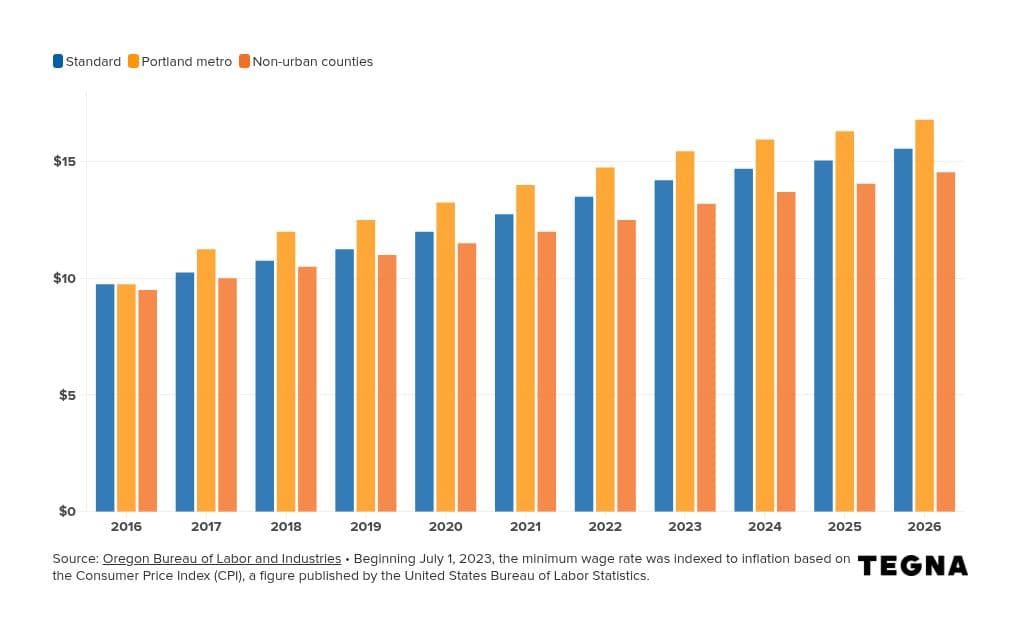
For McDonald’s workers trying to move out of crew roles, that creates a clear playbook. The person who notices a frozen kiosk, resets the order flow, explains a menu change to a frustrated customer and then teaches a new hire how to handle the rush is building the kind of record managers can see. After years of Fight for $15 organizing and minimum wage fights that put pay at the center of restaurant work, promotion pressure is shifting toward proof that someone can lead a shift, not just survive one.
McDonald’s says it wants to be an “iconic talent destination” and is moving talent processes into digital format to improve workforce management and data analytics. The company had more than 150,000 employees at year-end 2024, with about 70% outside the U.S., and it and participating franchisees have put more than $240 million into Archways to Opportunity since 2015, helping over 90,000 crew members earn diplomas, get tuition help, learn English or get career advising. With global systemwide sales up 7% in 2025 to more than $139 billion, the people who can blend technology, customer recovery and calm judgment are becoming harder to replace, not easier.
This article was produced by Prism’s automated news system from verified source data, official records, and press releases, then run through automated quality and moderation checks before publishing. The system is built and supervised by the people who set the standards it runs under. Read our full AI policy.
Did this article answer your question?