Real wages fell, McDonald's workers may feel raises less
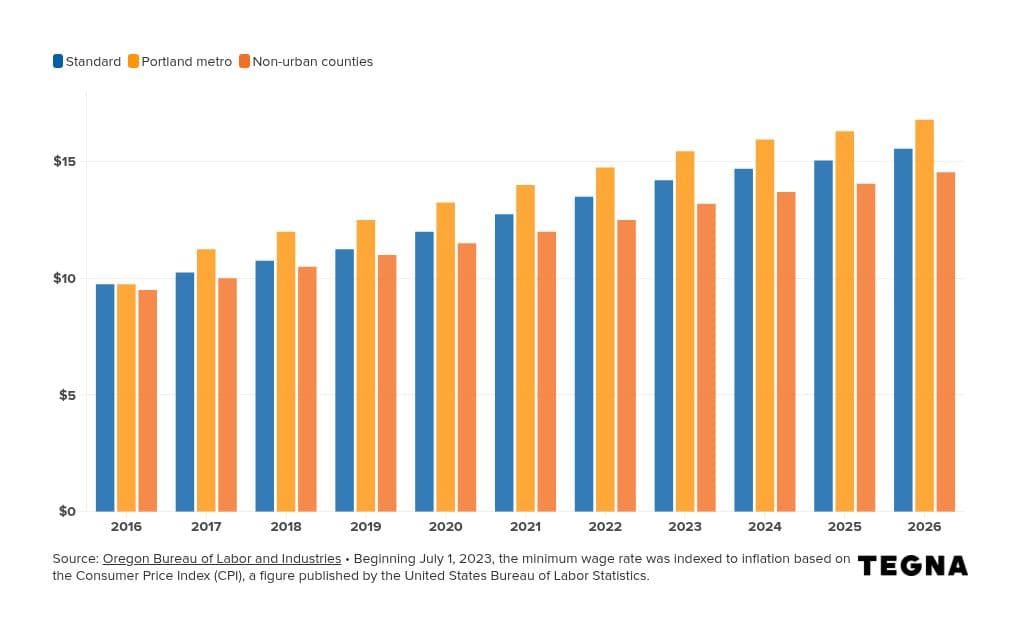
Real hourly wages fell 0.8 percent and weekly pay 0.2 percent, so a McDonald’s raise can shrink fast once gas, rent and groceries are paid.
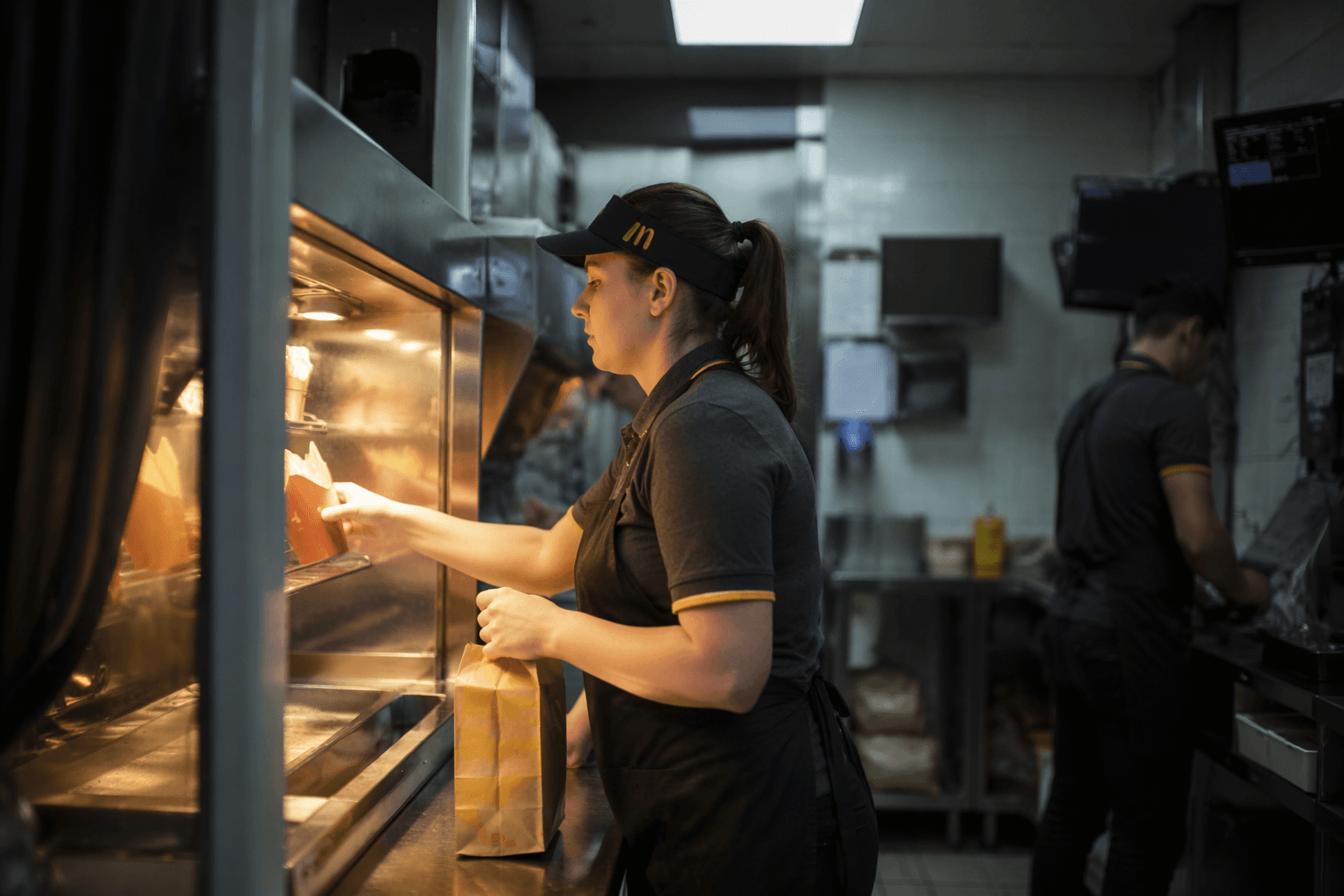
McDonald’s crew members may see a higher hourly rate on the schedule, but their paychecks bought less over the past year. The U.S. Department of Labor said real average hourly earnings for production and nonsupervisory workers fell 0.8 percent from May 2025 to May 2026, while real weekly earnings slipped 0.2 percent.
That gap matters on a restaurant floor where hours often wobble and take-home pay depends on more than the posted wage. The U.S. Bureau of Labor Statistics said hourly earnings for production and nonsupervisory workers rose 0.2 percent in May to $32.31, and average hourly earnings for all private nonfarm payroll workers rose 0.3 percent to $37.53. But the Consumer Price Index rose 0.5 percent in May and 4.2 percent over the last 12 months, which means the pay bump did not fully keep up with the cost of living.
The math is why a raise can feel smaller than it looks. At the $32.31 average for production and nonsupervisory workers, a 0.8 percent real decline translates to about 26 cents less buying power per hour, or roughly $7.75 a week on a 30-hour schedule. For McDonald’s employees, that difference is the kind that shows up in the gap between covering a tank of gas and having money left for groceries, or between making rent on time and carrying a balance into the next week.
The labor market has not made the squeeze easier. The unemployment rate held at 4.3 percent in May 2026, labor-force participation was 61.8 percent, and the number of long-term unemployed reached 2.0 million. That leaves many workers still employed but not in a strong position to bargain for better hours, steadier schedules or more generous total compensation.
For McDonald’s, the pressure lands inside a system with more than 44,000 locations worldwide. In its 2025 annual report, McDonald’s said it was operating in an environment shaped by persistent inflationary pressures, tighter labor markets and evolving trade dynamics. The company also said in first-quarter 2026 results released on May 7 that value leadership was working, with improved traffic and affordability scores supporting performance.
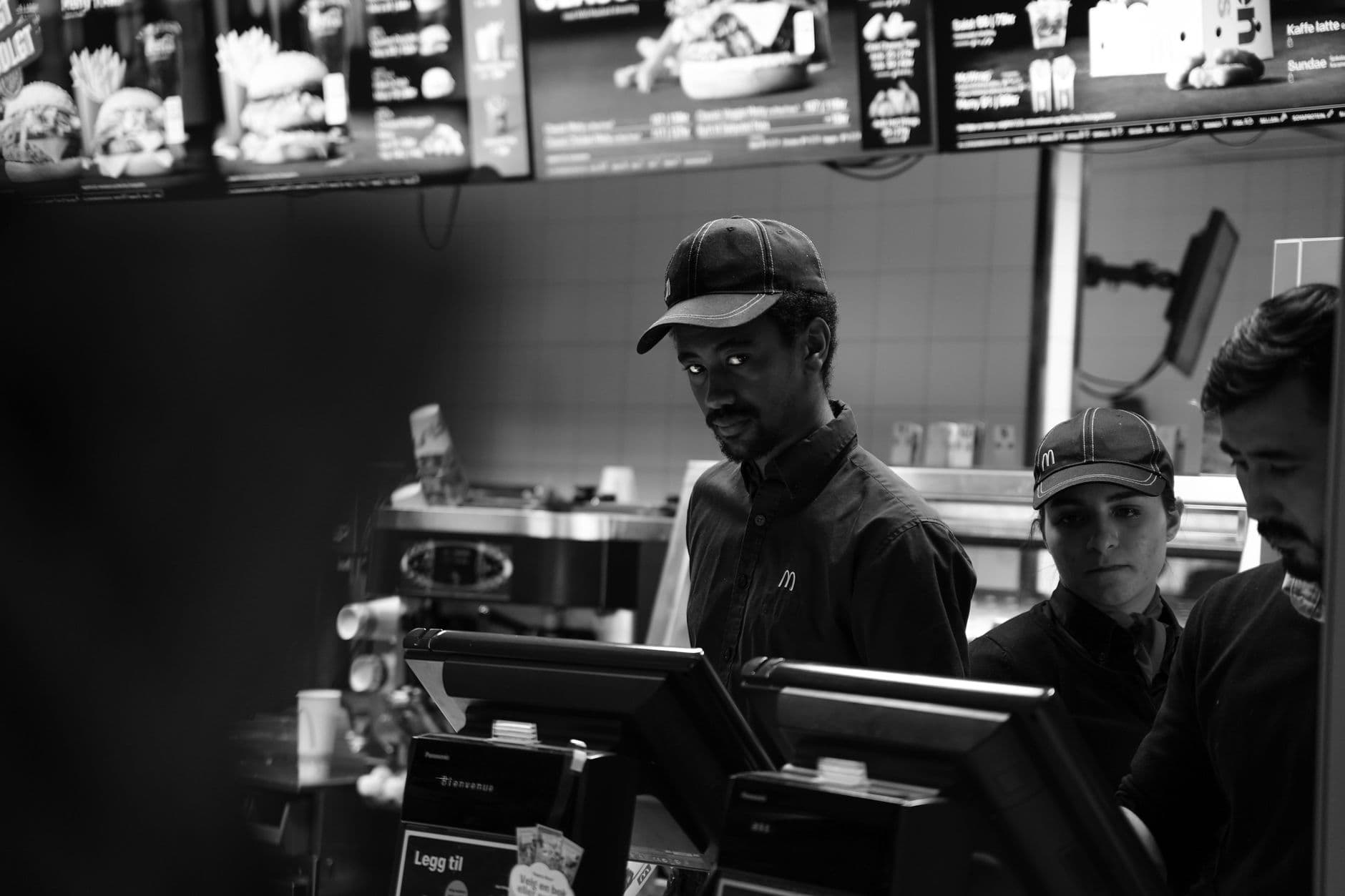
That matters because McDonald’s pay conversations are rarely only about the hourly rate. Workers weigh hours, commute costs, uniforms, meals and whether a schedule is stable enough to plan around rent and bills. McDonald’s investor materials also say franchise profitability depends on operating and occupancy costs, financing terms and the owner’s ability to run the business effectively. In that setup, the wage headline is only part of the story. What counts for crew members is whether the paycheck still reaches past the ride to work and the bills waiting at home.
This article was produced by Prism’s automated news system from verified source data, official records, and press releases, then run through automated quality and moderation checks before publishing. The system is built and supervised by the people who set the standards it runs under. Read our full AI policy.
Did this article answer your question?