Restaurant discovery shifts to TikTok, Instagram Reels and YouTube Shorts
Short-form video now sends guests to McDonald’s before they ever search for a meal, turning every crew shift into a live test of speed, accuracy, and presentation.

Discovery now starts on the scroll
Restaurant discovery has moved from search bars to feeds, and that changes the job on the floor. At the National Restaurant Association Show in Chicago, social media strategist Hifsah Ahmed told operators that TikTok, Instagram Reels, and YouTube Shorts have become the main way diners discover restaurants, long before they ever type in a city or a menu item.
That shift matters for McDonald’s because the storefront is no longer just the building on the corner. It is also the clip of a stacked burger, a limited-time drink, a clean drive-thru handoff, or a creator showing a meal that looks worth a detour. The old habit was to wait until someone was already hungry in a specific place and then hope they searched nearby; now the first impression often happens while someone is still scrolling at home, on a break, or in the car.
What the Chicago crowd was really saying
The 2025 National Restaurant Association Show ran May 17 to 20 in Chicago and drew more than 50,000 restaurant and foodservice professionals, a sign of how deeply digital strategy has entered day-to-day restaurant talk. Ahmed’s session focused on turning followers into guests, not chasing vanity metrics, and that distinction is important for stores that live and die by traffic counts, ticket times, and labor coverage.
For McDonald’s crews, this is not just a marketing department problem. A post can create a rush at lunch, drive interest in a menu hack, or put pressure on a store to deliver a picture-perfect item that was built for the camera as much as for the tray. If a drink is sloppy, a sandwich is uneven, or packaging looks off, the customer may already have judged the experience before the order is complete.
Why this hits the floor, not just corporate
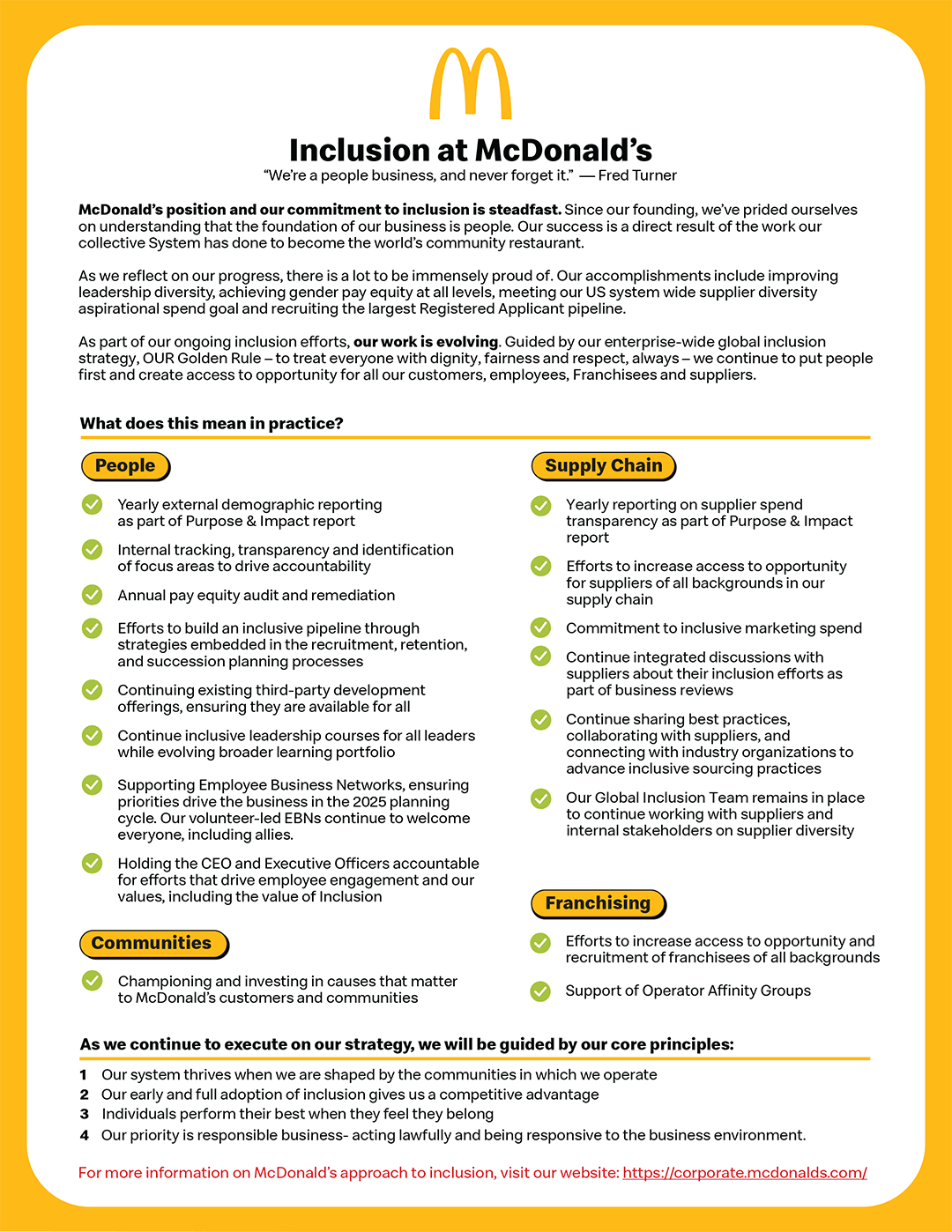
McDonald’s marketing structure shows how central digital has become. Alyssa Buetikofer leads marketing efforts and capabilities for nearly 14,000 U.S. McDonald’s restaurants, including digital, media, customer engagement, brand, content and culture work, and menu strategy. That is a clear sign that content and operations are no longer separate worlds.
For store managers, that means local execution now carries more visibility. A community event, a hiring push, a beverage launch, or a value offer can travel much farther if it is easy to film, easy to understand in a few seconds, and easy to repeat across stores. The pressure lands on the same people who are already balancing drive-thru times, fry drops, lobby cleanliness, and surprise labor shortages. Social media has not replaced operations; it has made operations more public.
McDonald’s scale makes every shift feel bigger
McDonald’s corporate site says the company serves 68 million people daily and operates 44,000 locations and counting. With that kind of scale, a small change in consumer attention can turn into a real operational issue fast. A single viral trend can mean more special requests, more customizations, more questions at the counter, and more demand for consistency from one store to the next.
That is where the franchise and corporate tension often shows up. Corporate can build the campaign, but franchisees and crew absorb the consequences on the floor. If a promotion goes viral, the store still has to make the order on time, keep the line moving, and avoid the kind of mistakes that turn a hype item into a complaint. In a business that has spent years debating wages, staffing levels, automation, and the role of crews in the age of AI, social discovery adds yet another layer of expectation to already tight shifts.
Digital strategy is now a core business plan
McDonald’s has been explicit about where it is headed. In August 2025, the company described its “Digitizing the Arches” strategy as a once-in-a-generation transformation, saying scale alone is not enough and digital is central to how it creates impact. Back in December 2023, McDonald’s said it aimed to reach 50,000 restaurants by 2027 and to grow loyalty from 150 million to 250 million 90-day active users by 2027, while connecting thousands of restaurants worldwide with Google Cloud technology.
That matters for workers because the company’s biggest growth bets now depend on data, app behavior, and digital touchpoints as much as on the line inside the kitchen. Social discovery feeds the top of the funnel, but the app, loyalty program, and digital infrastructure are what turn a one-time look into repeat visits. For a crew member, that can mean an online trend becomes a real rush, and a real rush becomes a staffing test.

What the sales numbers say about the new playbook
McDonald’s recent results suggest the company understands that traffic today is shaped by more than price alone. In second-quarter 2025 results, global systemwide sales grew 6%, helped by compelling value, standout marketing, and menu innovation. In the third quarter, global systemwide sales again grew 6%, and the company said compelling marketing continued to bring customers through its doors.
By full-year 2025, CEO Chris Kempczinski said value leadership was working and had helped improve traffic along with value and affordability scores. That is the important part for store teams: marketing is not abstract when it changes the number of cars in the drive-thru or the pace at the counter. When value, creator content, and menu launches align, the pressure moves straight from the screen to the shift.
The crew-level reality behind the content
For McDonald’s workers, the new reality is not that everyone must become a content creator. It is that the store now has to function in a world where a good-looking product can pull guests in faster than traditional advertising ever did. A store that is slow, inconsistent, or visibly underprepared can lose trust just as quickly.
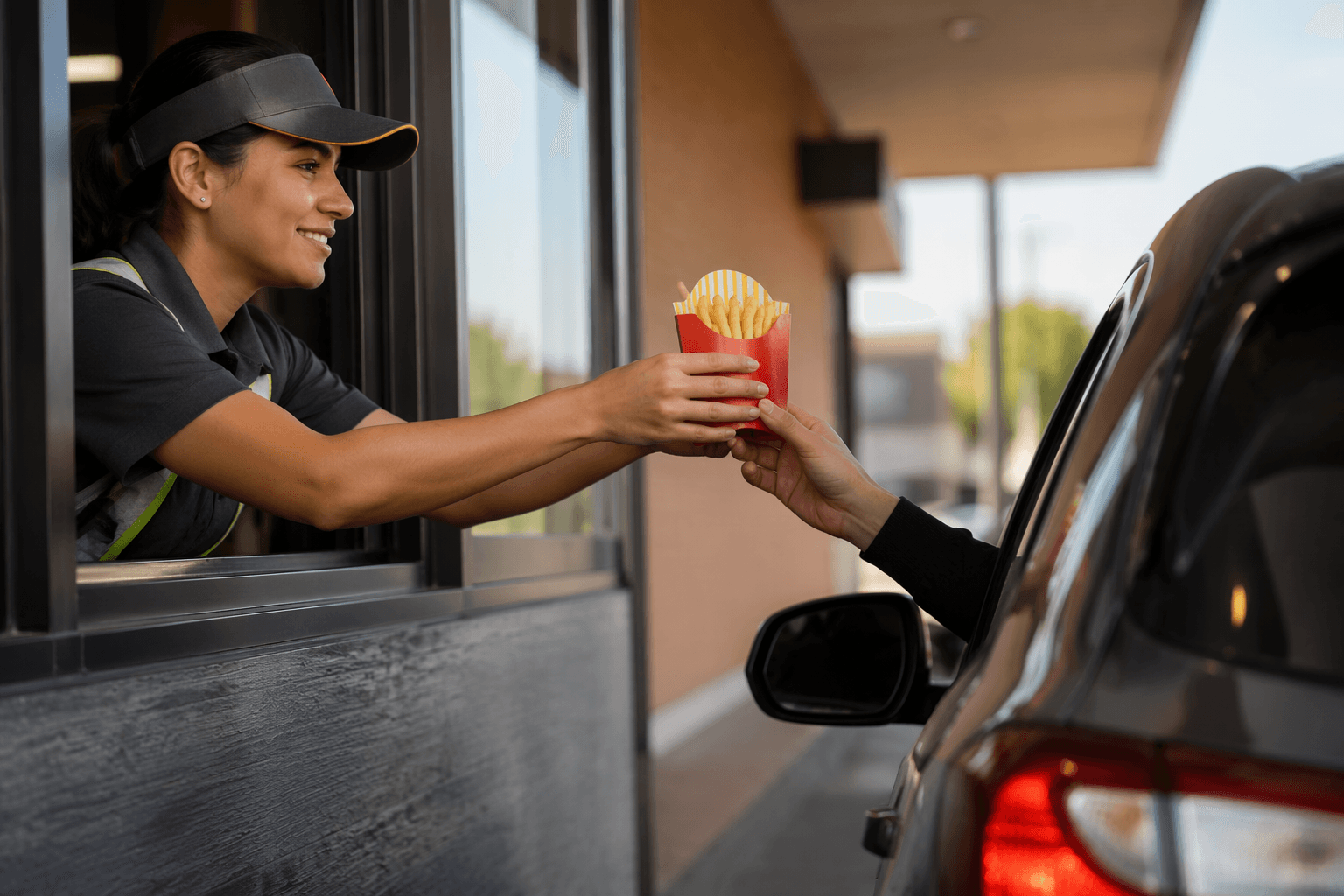
That means presentation matters, and so does discipline. Fries need to look fresh, drinks need to be built cleanly, packaging has to hold up on camera, and the handoff has to be fast enough to match the expectation created online. Social media discovery may look like a trend story from the outside, but on the floor it is a labor story: one more way the job gets measured, one more reason speed and accuracy have to stay together, and one more reminder that McDonald’s crews are now serving both the guest in front of them and the audience already watching from a phone.
This article was produced by Prism’s automated news system from verified source data, official records, and press releases, then run through automated quality and moderation checks before publishing. The system is built and supervised by the people who set the standards it runs under. Read our full AI policy.
Did this article answer your question?