Restaurant leaders say immigration policy is a workforce crisis
Restaurant leaders said immigration policy is cutting sales, shrinking the labor pool and straining staffing, a pressure McDonald’s managers feel on the floor.

Restaurant operators said immigration policy had moved from a Washington argument to the kitchen line, where it was squeezing staffing, traffic and sales at the same time. At the National Restaurant Association Show, a May 16 session in the Innovation Theater in North Hall 5577 brought together Texas Restaurant Association CEO Emily Williams Knight, National Restaurant Association policy leader Aaron Frazier and Vaughan Hospitality Group’s Kevin Vaughan to discuss what they called the industry’s immigration reality.
The panel centered on practical fixes, including work visa pathways and career pipelines, because leaders said the issue reaches far beyond compliance. The session description said immigrants power every stage of getting food to the table, from farms to kitchens to dining rooms, and Knight argued that the labor question is also an economic one. The group said aggressive deportation policies were hurting restaurants in three ways: food costs were rising, customer traffic and sales were falling, and the available labor pool was shrinking.

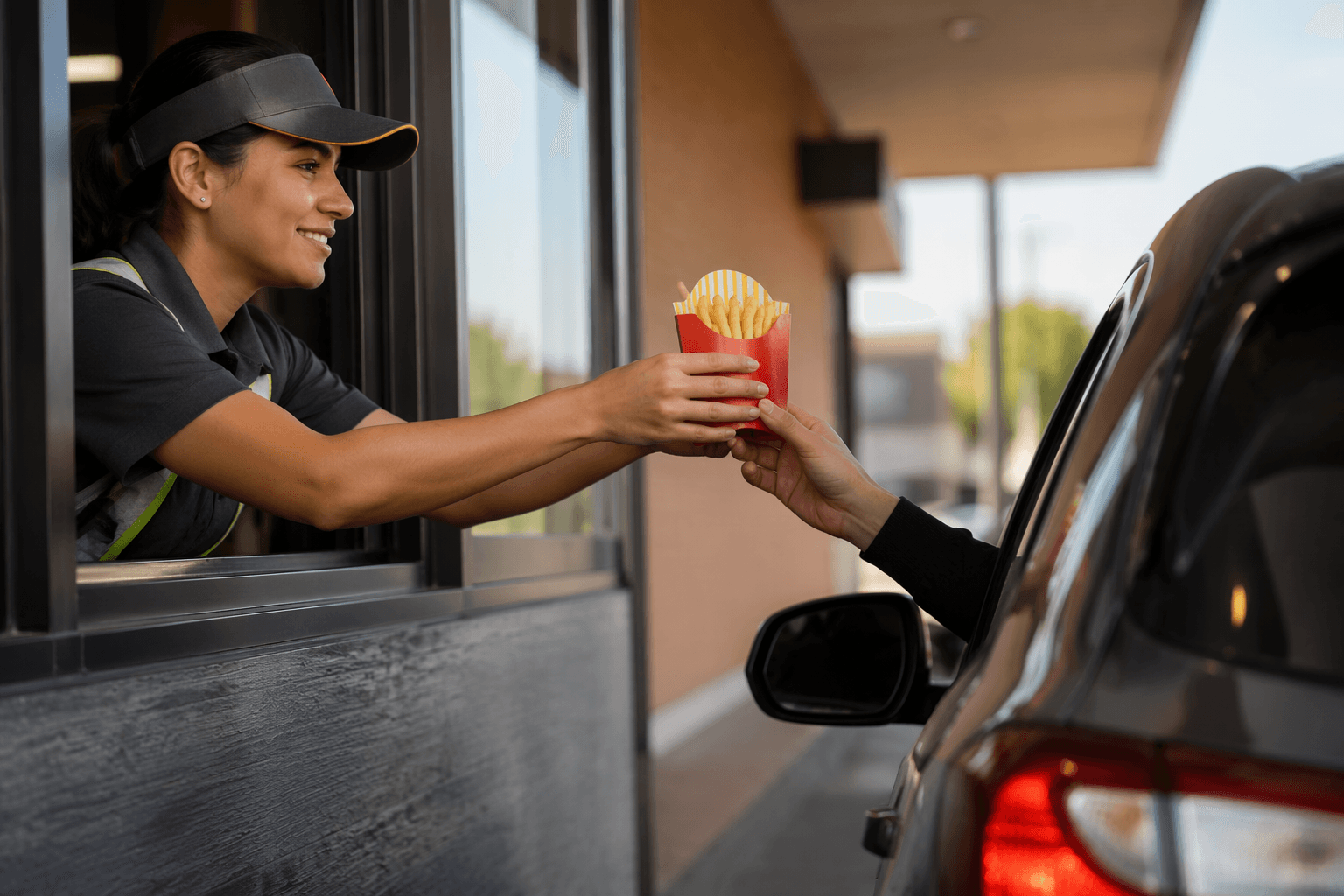
For McDonald’s operators, that kind of pressure shows up in the day-to-day math of running a store. When hiring gets tighter, managers have fewer people to cover lunch, dinner and late-night peaks. That can mean more overtime, more schedule reshuffling and more strain on shift leaders who are already trying to keep drive-thru times down and service steady. If traffic softens in communities with large Hispanic populations, the result can be even harder to read: weaker rushes, less predictable labor needs and more pressure to staff defensively.
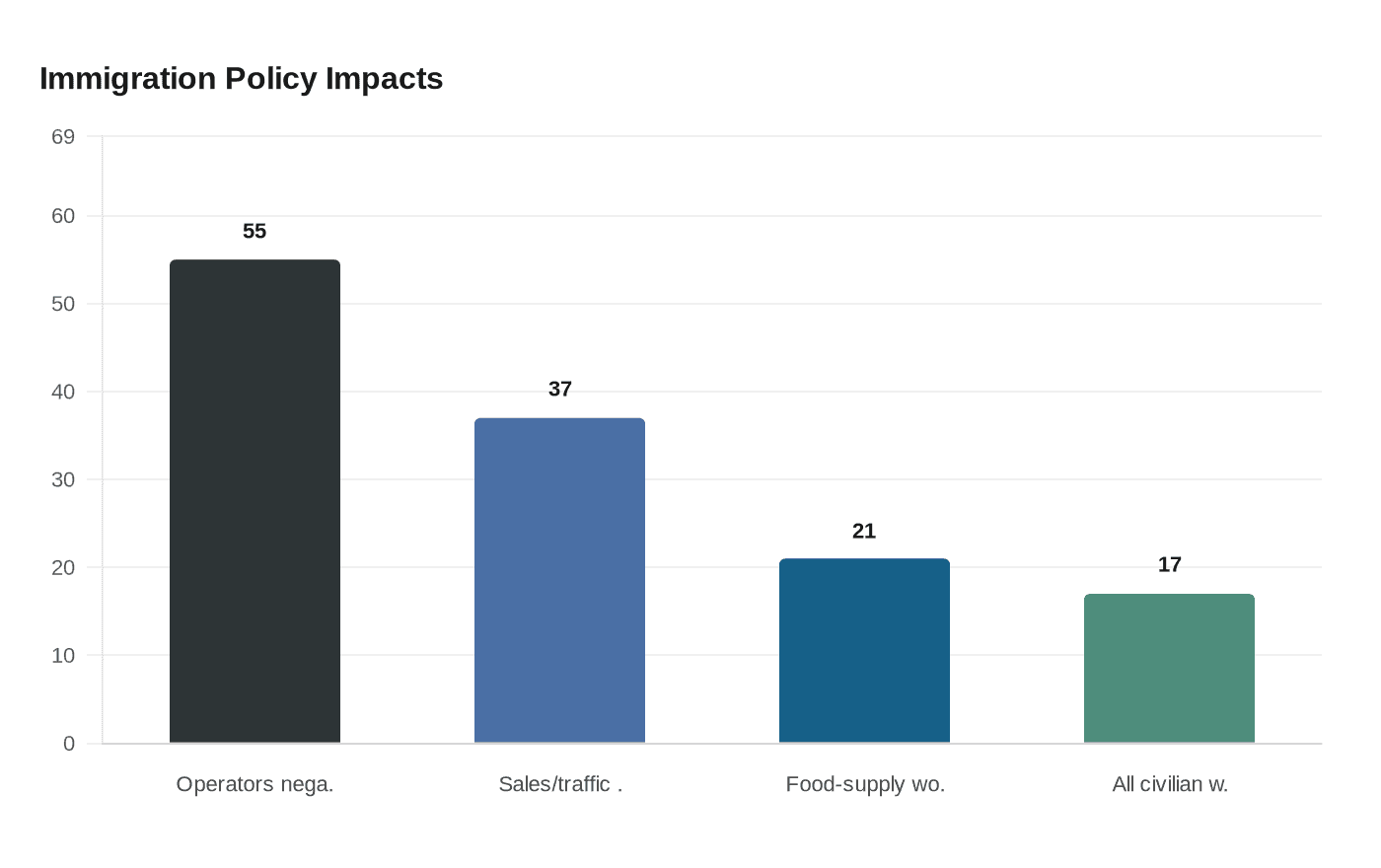
The National Restaurant Association has made immigration reform part of its 2026 policy agenda, alongside support for the Credit Card Competition Act and USMCA renewal. The group said the restaurant and foodservice industry employs more than 15.7 million people at more than one million outlets, and nearly 1 in 4 workers in today’s restaurant workforce are immigrants. It also said 55% of operators reported negative impacts from immigration policy changes in recent months, while 37% reported declines in sales and customer traffic tied to those changes.
Traffic data cited in the discussion underscored why leaders see the issue as a store-level problem. In ZIP codes where 40% or more of residents originate from Mexico, traffic was 1.2 percentage points below the national average in the fourth quarter of 2024 and 1.1 points below through May 11, 2025. Executives at Wingstop, El Pollo Loco and Constellation Brands have pointed to softer Hispanic consumer visits as well.
The labor pressure extends well beyond restaurants. The Migration Policy Institute says about 2.1 million immigrants work in U.S. food-supply-chain jobs, and immigrants accounted for 21% of food-supply-chain workers from 2019 through 2023, compared with 17% of all civilian employed workers. For McDonald’s crew members and managers, that means immigration policy is not an abstract fight. It shapes who shows up for the shift, how much overtime lands on the same people and how much stress a store can absorb before service starts to slip.
This article was produced by Prism’s automated news system from verified source data, official records, and press releases, then run through automated quality and moderation checks before publishing. The system is built and supervised by the people who set the standards it runs under. Read our full AI policy.
Did this article answer your question?