Restaurant shakeups, AI reversals, and fast-casual gains ripple through McDonald's sector
Starbucks’ AI pullback shows store-floor reality still beats hype, while Wendy’s and CAVA point to the rival moves that can really reshape McDonald’s work.

The restaurant sector keeps sending McDonald’s workers a blunt message: not every shiny fix lasts, but leadership changes and growth bets can still change the job. A new CEO at Wendy’s, an AI retreat at Starbucks, and a strong quarter at CAVA all point to the same question in different ways: which strategies are durable enough to shape staffing, training, and expectations on the ground?
What the latest shakeups say about the field
Wendy’s, Starbucks, and CAVA are not all playing the same game, but they are each revealing where pressure is building. Wendy’s turned to Robert D. “Bob” Wright, a former Potbelly chief who had also worked at Wendy’s before returning as president and CEO, after a long stretch of weak sales and activist pressure. Starbucks, meanwhile, backed away from a worker-facing AI inventory-counting program in North America after about nine months. CAVA posted numbers that show fast-casual still has room to take share when it hits the right mix of speed, price, and experience.
For McDonald’s workers, that mix matters because the chain does not operate in a vacuum. A CEO change at a major burger competitor can alter hiring, menu pressure, and discounting. A tech retreat at Starbucks is a reminder that store reality can overwhelm automation hype. And CAVA’s growth shows that customers are still willing to shift their spending when a chain makes the experience feel fast and worth it.
Starbucks’ AI reversal is the clearest warning for crews
The Starbucks move deserves the closest look because it cuts straight to the daily work of counting, stocking, and keeping a store moving. Reuters reported that the company ended a worker-facing AI inventory tool in North America after about nine months, even though the system was part of Brian Niccol’s turnaround effort to reduce shortages that were hurting sales. Employees reportedly still had to manually recount items after miscounts, which turned a supposed shortcut into another task.
That is the part McDonald’s crews should notice. Technology only becomes durable when it removes work instead of shifting it around. If a tool creates more double-checking, more corrections, or more training time, it becomes one more thing store teams have to absorb during a rush. In a business built on seconds, a bad automation pilot does not just fail in the abstract, it lands as extra labor on the floor.
The lesson reaches beyond inventory. Chains are constantly testing self-service ordering, labor-saving kitchen systems, and AI-assisted scheduling, but frontline adoption depends on whether those tools actually make a shift easier. Starbucks just showed how quickly the promise of efficiency can collapse when the store-level result is more manual work, not less.
Wendy’s new CEO shows how leadership shifts can ripple into labor pressure
Wendy’s appointment of Bob Wright is more than a boardroom reset. The company said on May 20 that he would take over as president and CEO effective May 21 and also join the board. It followed a period of weak performance, including first-quarter 2026 global systemwide sales of $3.2 billion, down 5.5% year over year, along with earlier pressure on U.S. same-store sales.
That kind of turnover matters to McDonald’s workers because leadership changes at a rival often show up later in the way the whole sector behaves. A new CEO can bring sharper discounting, tighter menu focus, more aggressive franchise expectations, or new labor targets. It can also change the tone of labor relations if a chain decides it needs to cut costs fast to satisfy investors or head off activist pressure, including the kind of scrutiny Wendy’s has faced from Trian Fund Management and Nelson Peltz.
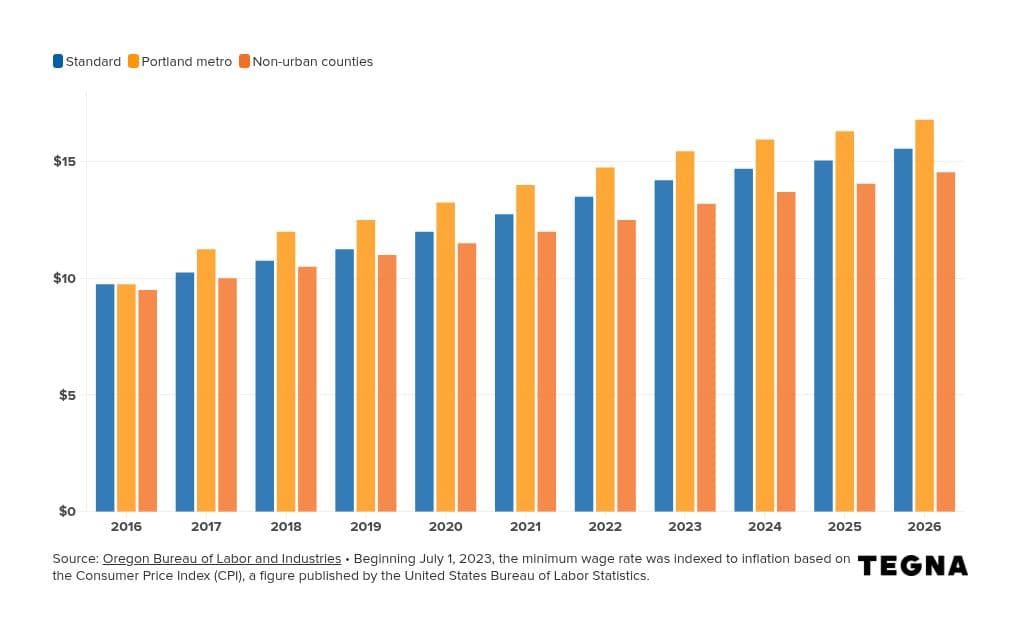
For McDonald’s, the franchise-versus-corporate split makes those shifts feel different store by store. Corporate strategy may talk about growth, value, and customer traffic, but the day-to-day effect on a franchised crew often shows up as tighter scheduling, different staffing levels, or more pressure to move faster with the same headcount. That is why wage fights and minimum wage legislation still matter. The Fight for $15 era changed worker expectations, and every new competitive squeeze raises the question of who absorbs the cost.
CAVA’s quarter shows why fast-casual still has momentum
CAVA’s first quarter gives the clearest counterpoint to the idea that the market is frozen. Revenue rose 32.2% to $434.4 million, same-restaurant sales increased 9.7%, and traffic rose 6.8%. The chain also posted a restaurant-level profit margin of 25.1%, opened 20 net new restaurants, and finished with 459 locations across 29 states and Washington, D.C. It then raised its full-year 2026 opening target to 75 to 77 restaurants.
Those are not just investor numbers. They show that diners are still willing to trade up when a brand gives them value, speed, and a consistent experience. That puts pressure on McDonald’s and every other quick-service chain to defend its place in the meal budget, especially when customers are more selective about where they spend because of high gas prices and elevated inflation. In that environment, traffic is fragile, and every service slip matters.
CAVA’s strength also reminds McDonald’s managers that labor expectations are not set only by burger rivals. Fast-casual chains shape the broader standard for what customers think “fast” should feel like, and that influences how much patience they have for slower drive-thru lines, inconsistent orders, or understaffed shifts. When a brand can grow 20 restaurants in one quarter and still lift traffic, it changes the pressure points across the field.
What it means for McDonald’s workers and managers
McDonald’s has been emphasizing value and growth in 2026 because it knows it is competing for a smaller pool of value-conscious customers. That makes the durable strategies easier to identify: the ones that protect traffic, keep training standardized, and avoid piling more work onto the crew under the banner of innovation.
- pay variation by location, especially when competitors reset labor budgets
- scheduling and staffing, when CEOs come in promising a turnaround
- training and task load, when technology is introduced to “help” the store
- promotion intensity and discounting, when rivals fight for value customers
For workers, the practical takeaway is simple. Watch for changes that affect:
For managers, the challenge is less about following the latest trend and more about whether the change survives lunch rush reality. Starbucks just showed how quickly an AI pilot can unravel if the store floor rejects it. Wendy’s showed that leadership shifts can reset expectations fast. CAVA showed that growth is still possible when the model is tight enough to win customers who are picky about speed and value.
That is the real test for McDonald’s too. The durable strategies are the ones that hold up when the line is long, the counts are off, and the customer still expects the order to be right the first time.
This article was produced by Prism’s automated news system from verified source data, official records, and press releases, then run through automated quality and moderation checks before publishing. The system is built and supervised by the people who set the standards it runs under. Read our full AI policy.
Did this article answer your question?