SoFi Stadium workers win contract after strike threat, securing big raises
SoFi Stadium food workers won 40% raises after a 96% strike vote, a reminder that high-visibility labor can still move management.

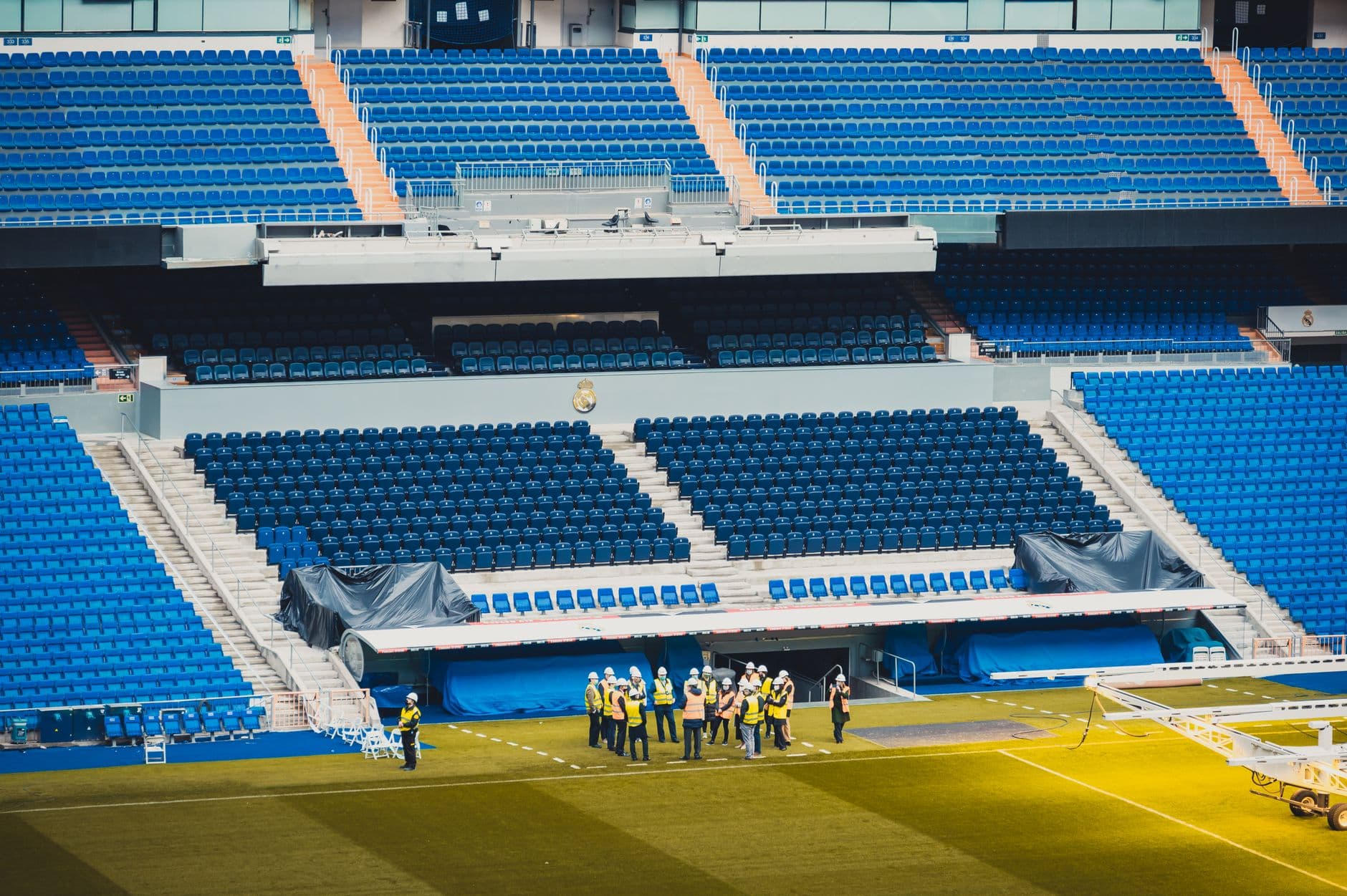
SoFi Stadium food-service workers turned a strike threat into a contract win, ratifying a deal that delivers a 40% wage increase and avoids a stoppage just ahead of a World Cup match. The vote gave workers a clear signal of leverage, with 96% backing strike authorization before management moved on a package that also includes premium event pay, housing fund contributions and safety walkout rights.
The agreement matters far beyond the stadium bowl. It shows how hospitality workers can use a calendar full of high-stakes events to press for better pay and working conditions, especially when the employer cannot afford a service breakdown in front of a live crowd and a global audience. That is the part McDonald's workers should notice: not the venue, but the timing. When demand spikes around sports weekends, holidays, concerts or major promotions, labor becomes harder to replace and easier to organize around.

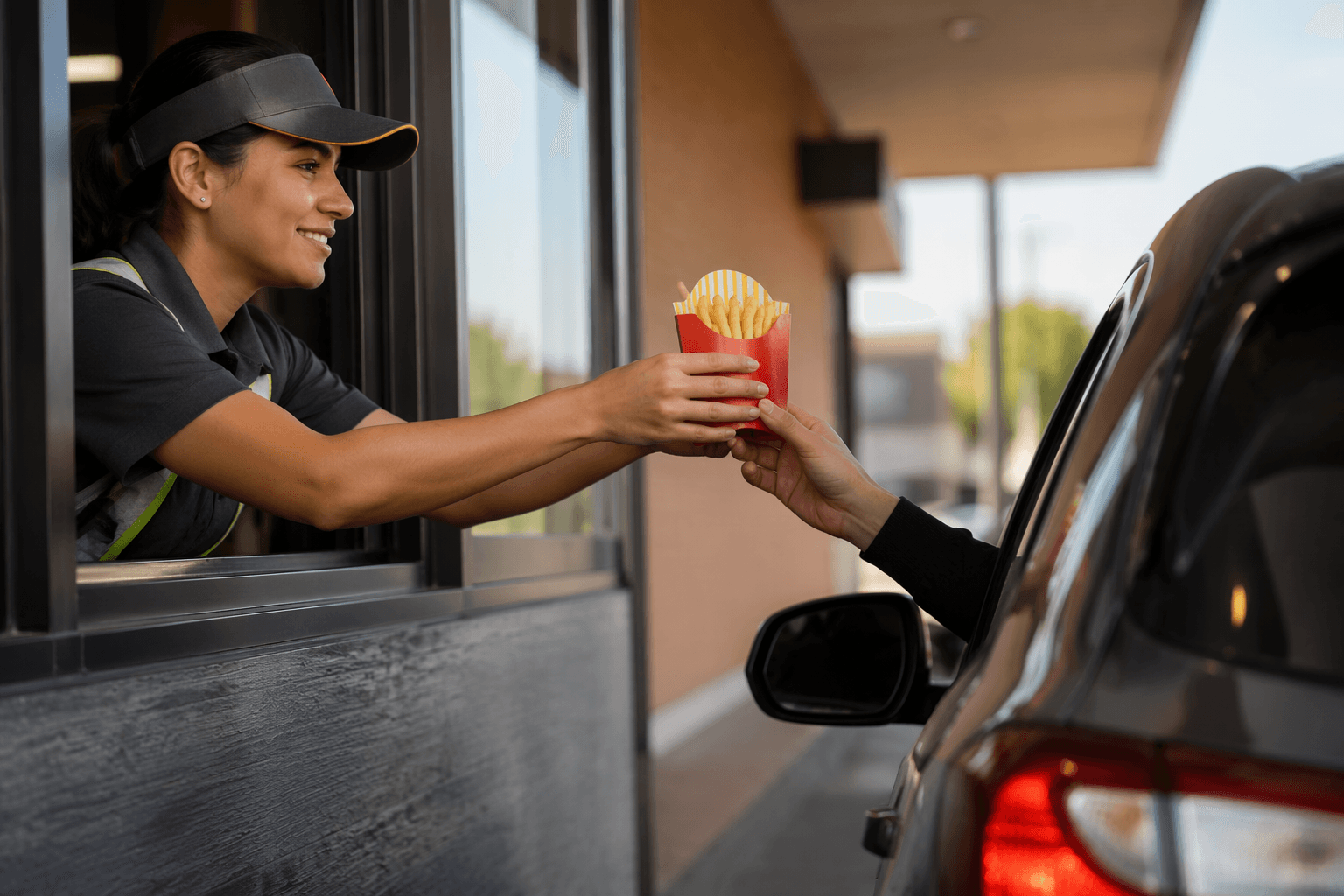
For crews at McDonald's, the lesson is practical. A store can get slammed the same way a stadium can, and the people on the line know when the rush is predictable and when management is short-staffing. The SoFi deal shows that workers are not only fighting for hourly wages anymore. They are pushing for premium pay tied to the hardest shifts, funds that address real costs, and language that lets them refuse unsafe conditions without waiting for management to decide the floor is too risky.
It also underscores the difference between the hospitality employers that can be hit all at once and a franchised system like McDonald's, where pressure is often dispersed across hundreds of locations. A stadium contract can move fast because the staffing risk is concentrated and the public eye is fixed on one site. At McDonald's, the same leverage is harder to build store by store, especially when franchisees control most day-to-day scheduling and staffing decisions while the brand still sets the expectations for speed and service.
That does not make the lesson less relevant. If anything, it raises the bar for operators who rely on workers to absorb the rush while wages lag behind the workload. The SoFi workers showed that when a business depends on front-line labor to make a public event work, pay, scheduling and safety stop being side issues. They become the terms on which the whole operation runs.
This article was produced by Prism’s automated news system from verified source data, official records, and press releases, then run through automated quality and moderation checks before publishing. The system is built and supervised by the people who set the standards it runs under. Read our full AI policy.
Did this article answer your question?