U.S. Job Market Stabilizes, But Competition for McDonald's Crew Stays Tight
The March jobs report beat forecasts with 178K new jobs, but a 4.3% unemployment rate keeps McDonald's crew recruiting as competitive as ever heading into summer.
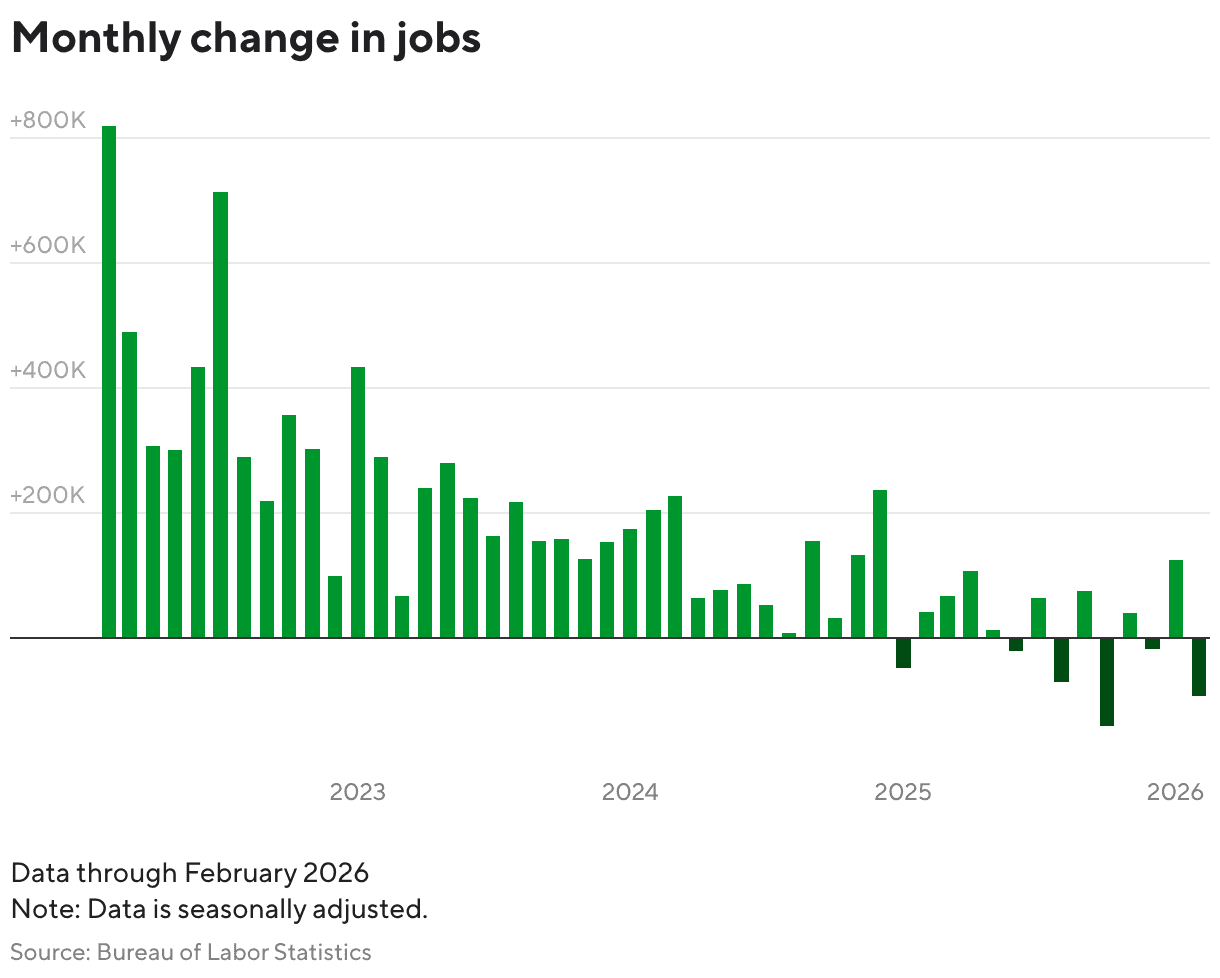
Summer staffing season is arriving at exactly the wrong time for McDonald's franchisees hoping for a break. The March jobs report, released April 3, showed U.S. employers added 178,000 nonfarm payrolls last month, well above the 59,000 economists had forecast, while the unemployment rate ticked down to 4.3% from 4.4% in February. On paper, those numbers signal a stabilizing labor market. On the ground, for anyone trying to fill a drive-thru shift before Memorial Day weekend, they signal something more uncomfortable: the pool of available crew remains thin and competitive.
The unemployment rate's decline carries a catch. Nearly 400,000 people left the workforce entirely in March rather than continuing to search for jobs, which is part of what moved the needle downward. That dynamic matters for franchise operators because it compresses the realistic applicant pool further, even as the headline rate appears to ease.
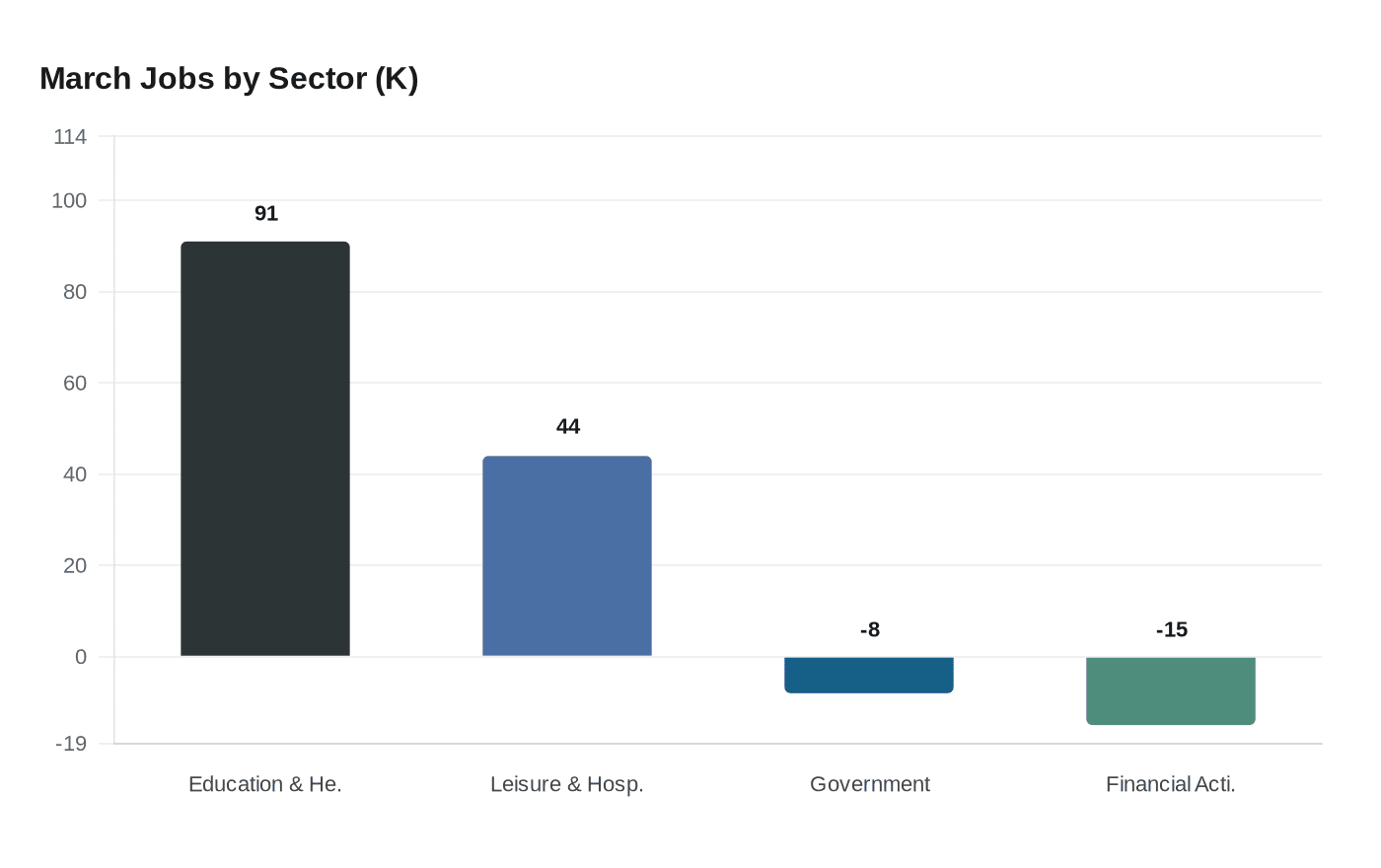
Sector breakdowns from the March data add nuance that quick-service operators should track closely. Private education and health services led all gains with 91,000 new jobs, and leisure and hospitality added 44,000, a category that includes fast food. That leisure and hospitality number reflects an industry still absorbing workers at a meaningful pace, which keeps cross-sector competition for entry-level applicants alive. Financial activities shed 15,000 jobs and government payrolls fell by 8,000, meaning some displaced workers may re-enter the applicant market in the coming weeks, a potential, if modest, tailwind for restaurant hiring.
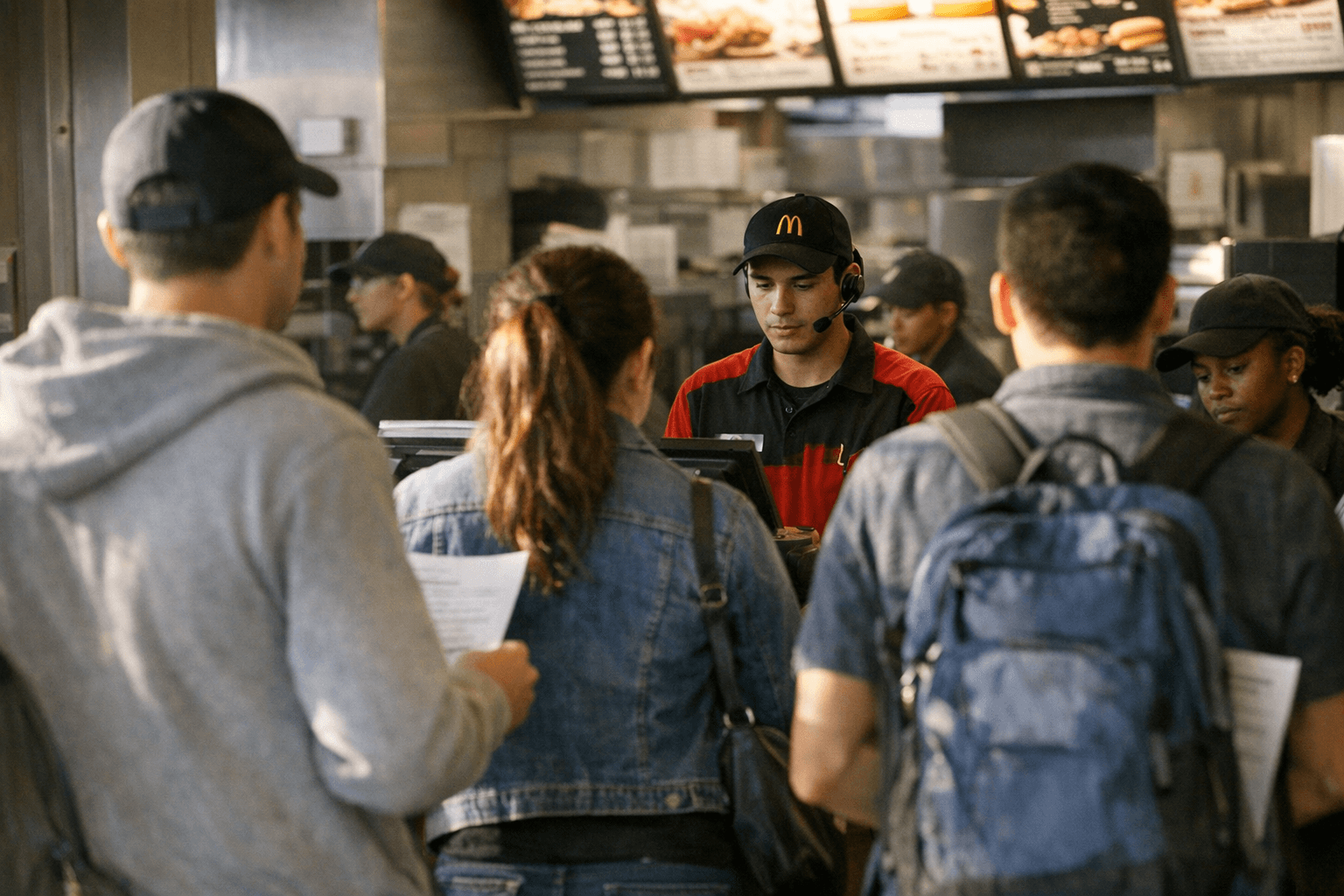
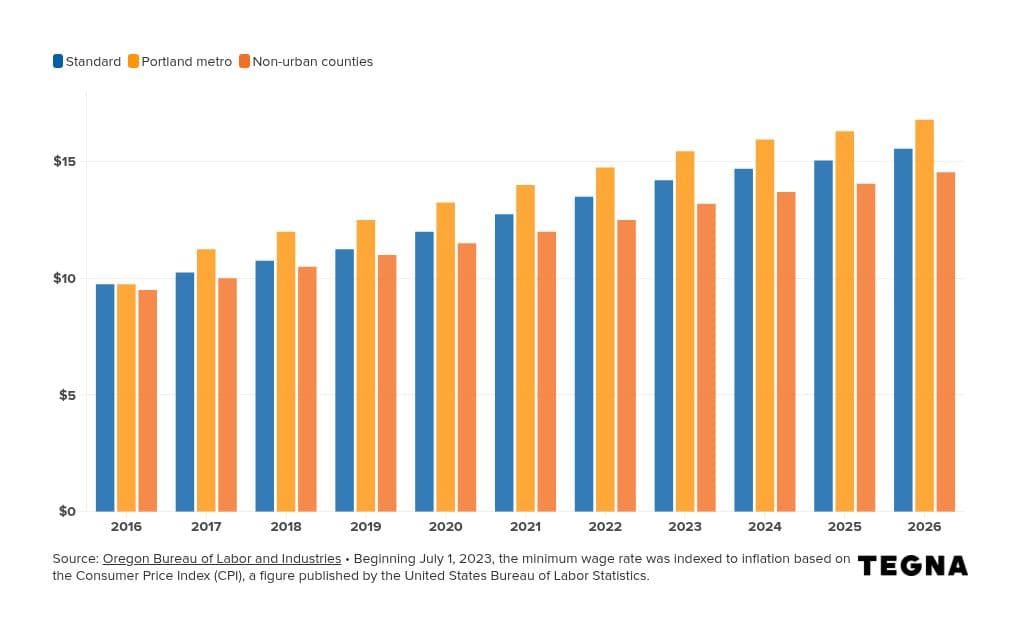
For McDonald's specifically, the 60-to-90-day window ahead is the critical one. The chain's annual summer staffing push, typically targeting teenage and young adult workers for peak traffic months, overlaps with a period when the broader labor market has shown unusual resilience. Crew wages at McDonald's locations have settled into a national range of roughly $13 to $17 per hour, with many markets sitting above the $15 threshold that became the symbolic floor of the Fight for $15 movement. Corporate-owned restaurants trend higher, around $15 to $16 per hour on average, while franchise locations set their own rates within local conditions. In tight metro markets, that spread makes retention bonuses and scheduling flexibility genuine competitive tools, not perks.
The geography point is where macro data starts to break down in usefulness. A systemwide reading of 4.3% unemployment tells a franchise operator in suburban Phoenix something very different than what it tells one in rural Ohio. Application volume per open shift, average time to fill a crew role, and call-out frequency are the metrics that actually map to operational decisions: whether to run overtime on an existing crew, whether to loosen hiring standards to accelerate fill time, or whether to push cross-training to cover gaps without adding headcount.
The March report offered no dramatic reversal. It confirmed a labor market that is neither collapsing nor loosening fast enough to hand restaurateurs easy relief. For McDonald's operators running the numbers on summer schedules right now, that means the recruiting infrastructure built over the last two years, referral programs, flexible shift blocks, retention incentives for experienced crew, stays necessary. The macro environment is not going to do the work for them.
This article was produced by Prism’s automated news system from verified source data, official records, and press releases, then run through automated quality and moderation checks before publishing. The system is built and supervised by the people who set the standards it runs under. Read our full AI policy.
Did this article answer your question?