World Food Safety Day spotlights McDonald's daily safety habits
Handwashing at start-up, hourly checks, and 20-second sanitizer routines are McDonald's daily defense as World Food Safety Day 2026 frames food safety as a systems issue.
The safest McDonald’s restaurants are built on habits that look small on the floor and matter most when the rush hits. World Food Safety Day 2026 put that reality in focus with the theme “From burden to solutions, safe food everywhere,” a message that treats food safety as a public-health issue and not just a kitchen routine.
The World Health Organization said the theme centers on using data on illness, disease burden and lives lost to guide focused, cost-effective solutions. For McDonald’s crew, that translates into the kind of repetition that can decide whether a shift stays smooth or turns into a problem: washing hands before clocking in, separating raw and ready-to-eat food, cleaning equipment, and speaking up fast when something looks off. The point is not complexity. It is consistency, every shift, in every restaurant.
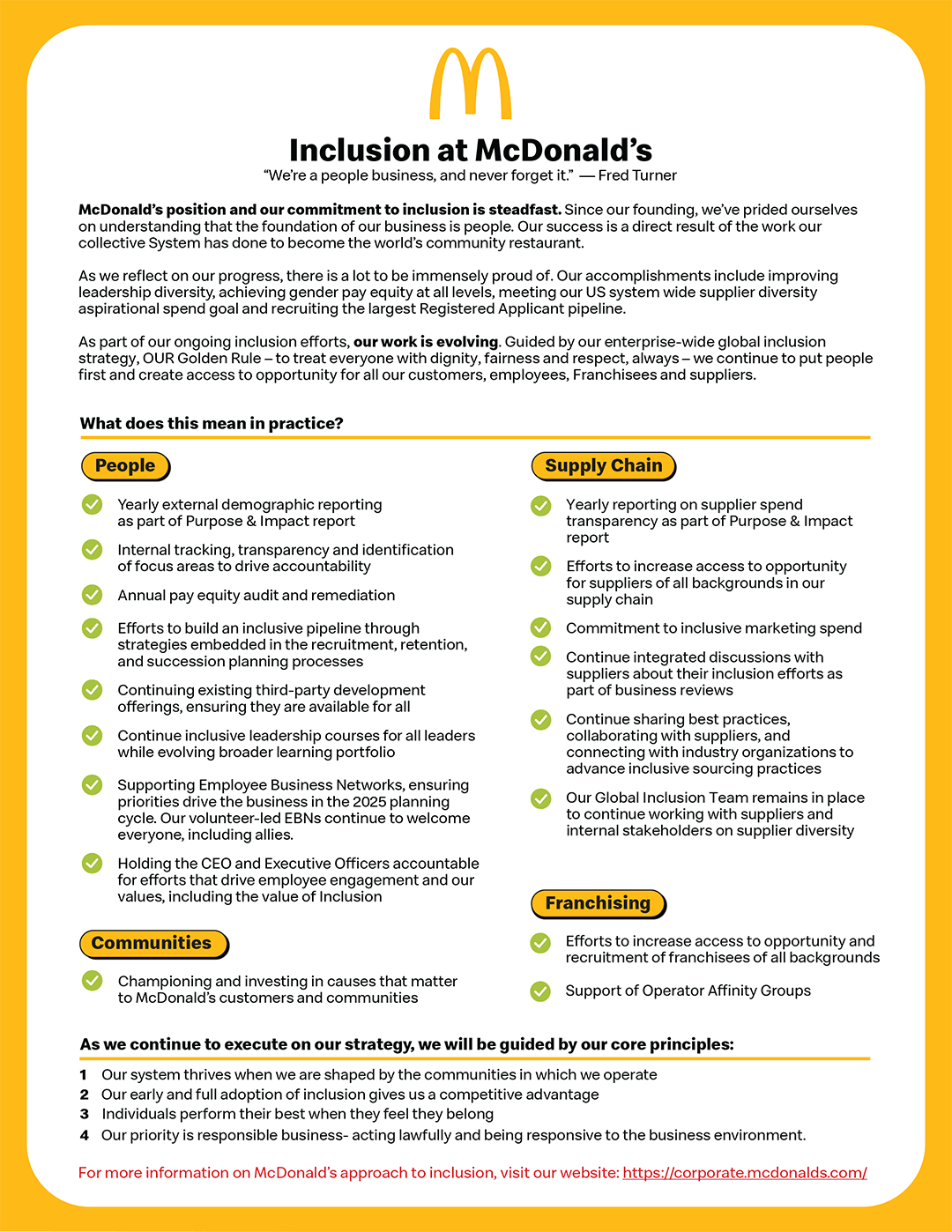
McDonald’s says serving safe and quality food in every restaurant, every day, is a long-standing commitment, and the company says it builds food-safety standards into sourcing, menu development, packaging, distribution and restaurant operations. In practice, that means the system starts far before a sandwich reaches the line. McDonald’s says it works with global logistics and distribution providers that use continuous temperature monitoring in delivery trucks, a reminder that food safety is managed well before crew members open a box or stock a station.
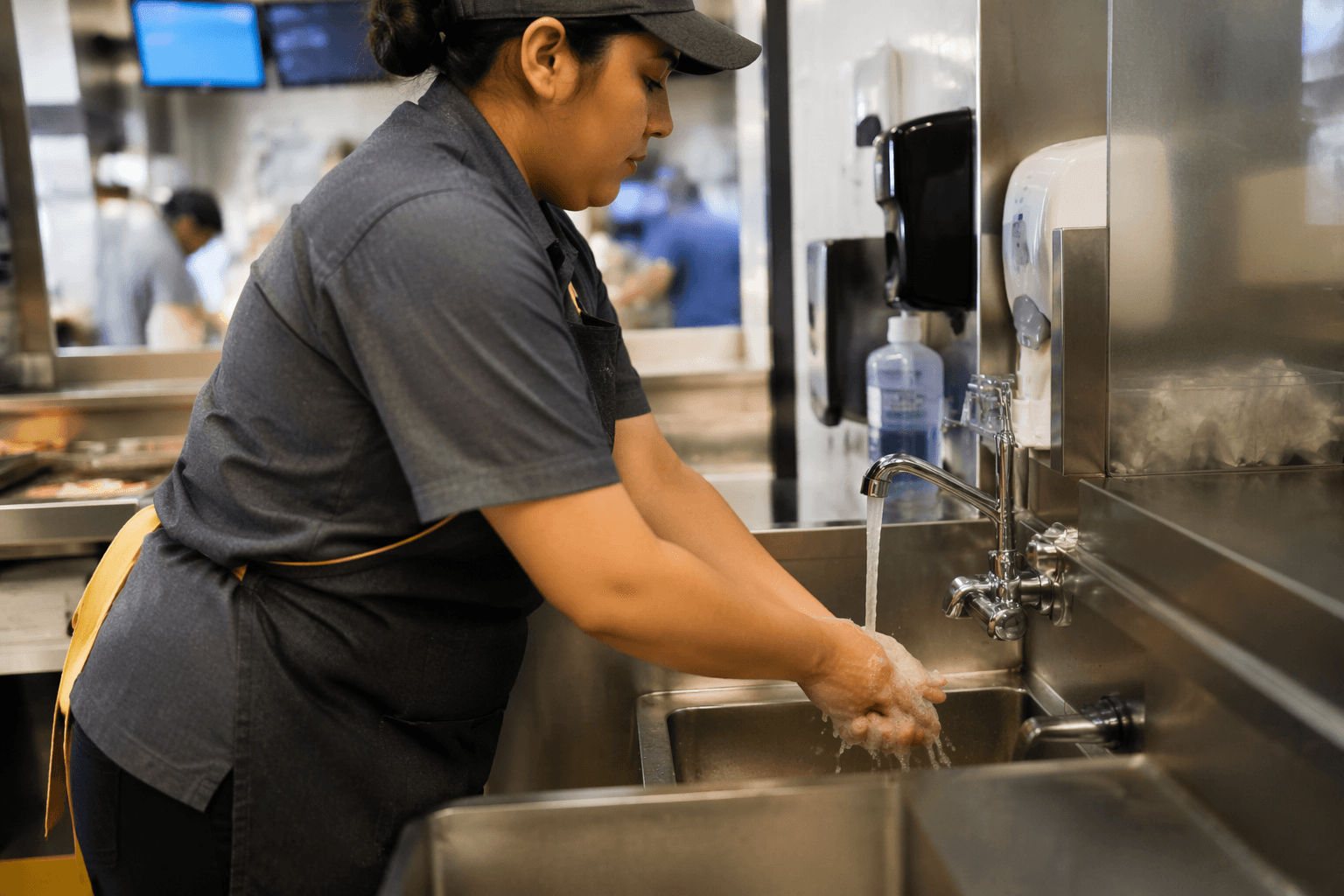
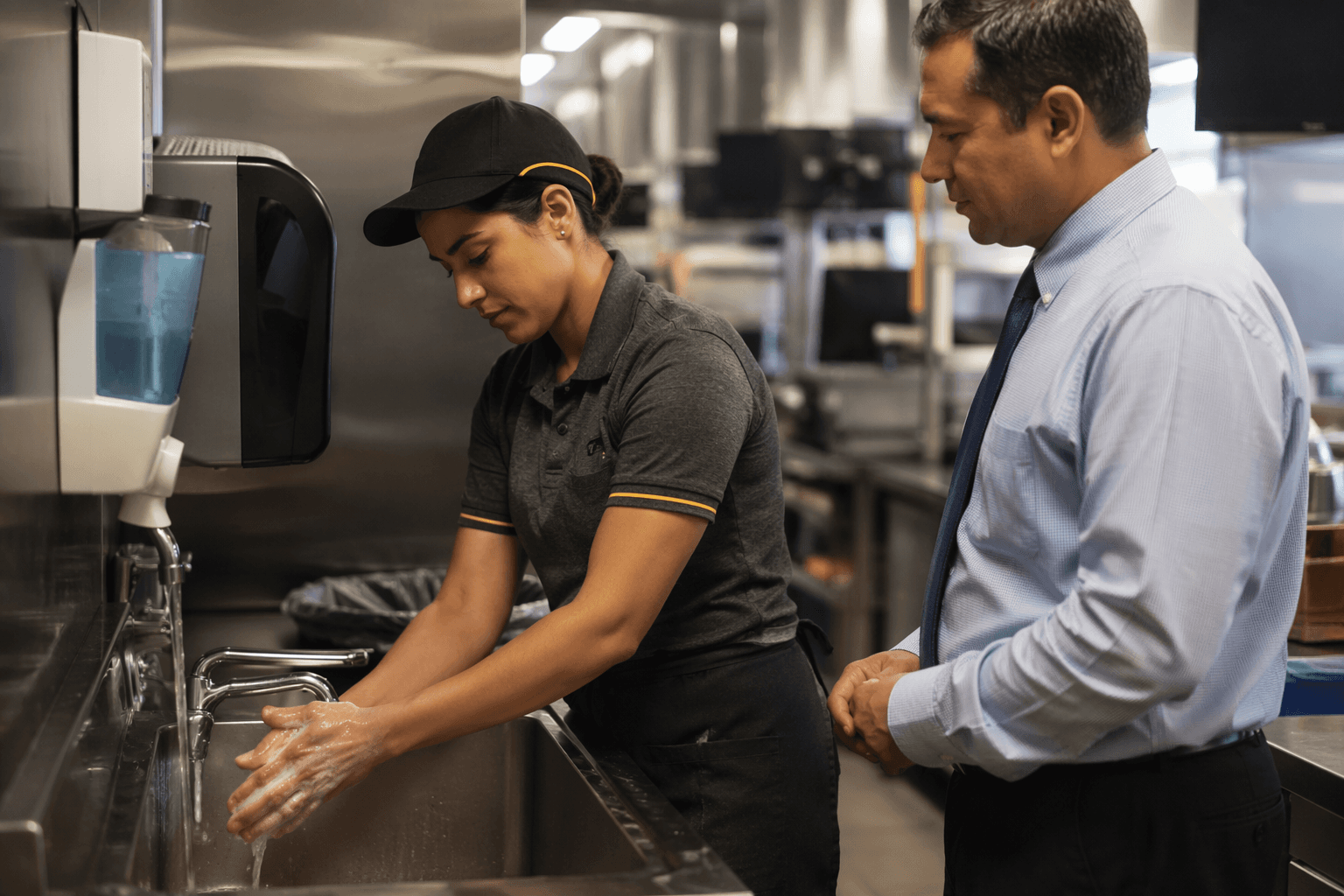
On the restaurant floor, the expectations are even more immediate. McDonald’s hygiene guidance says crew members are required to wash their hands before starting work and at least once an hour. It also says hands should be sanitized up to the elbow for at least 20 seconds. Those are the kinds of rules that can feel basic in the middle of a packed meal period, but they are also the backbone of cross-contamination prevention, especially when staffing is tight and managers are juggling drive-thru times, lobby checks and food prep.
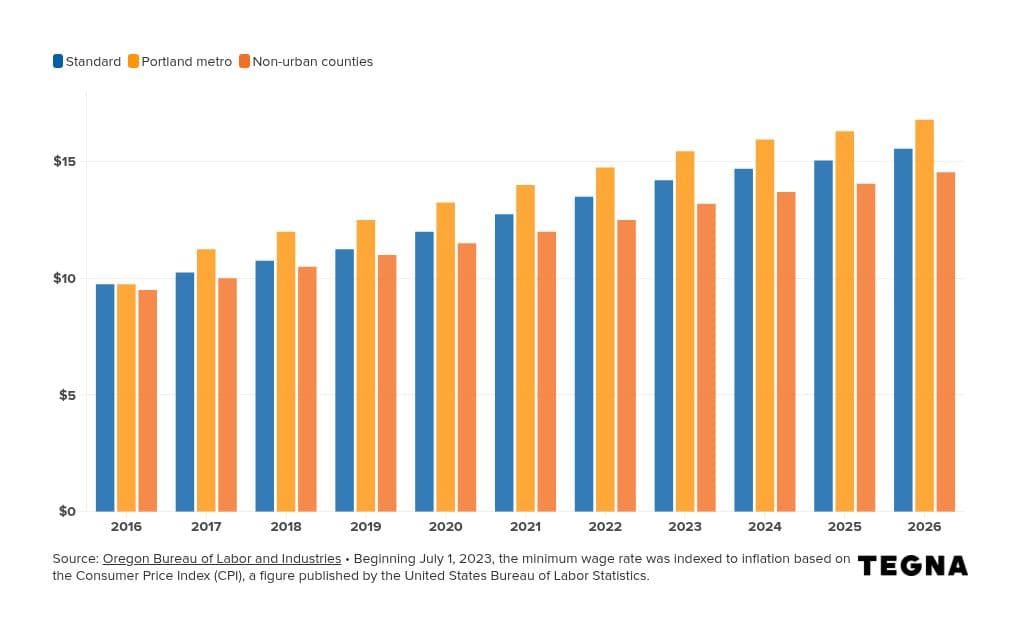
The company also says its Food Safety Advisory Council, made up of internal food-safety experts, suppliers and external academics, meets annually. That matters to workers because food safety is not just a training module handed down from corporate; it is part of the same tension McDonald’s crews already know from wage fights, labor shortages and the pressure that automation brings to front-line jobs. When process slips, the burden lands on the people on shift first.
World Food Safety Day has been observed since 2019, giving this year’s message added weight. At McDonald’s, the daily solution is still the same: clean hands, controlled temperatures, careful separation and manager follow-through that treats food safety as part of the job, not extra work.
This article was produced by Prism’s automated news system from verified source data, official records, and press releases, then run through automated quality and moderation checks before publishing. The system is built and supervised by the people who set the standards it runs under. Read our full AI policy.
Did this article answer your question?