Alphabet’s cloud AI surge signals tougher competition for monday.com
Alphabet’s cloud backlog hit $462 billion as AI demand outran capacity, a sign monday.com will compete on infrastructure, integrations and delivery speed.
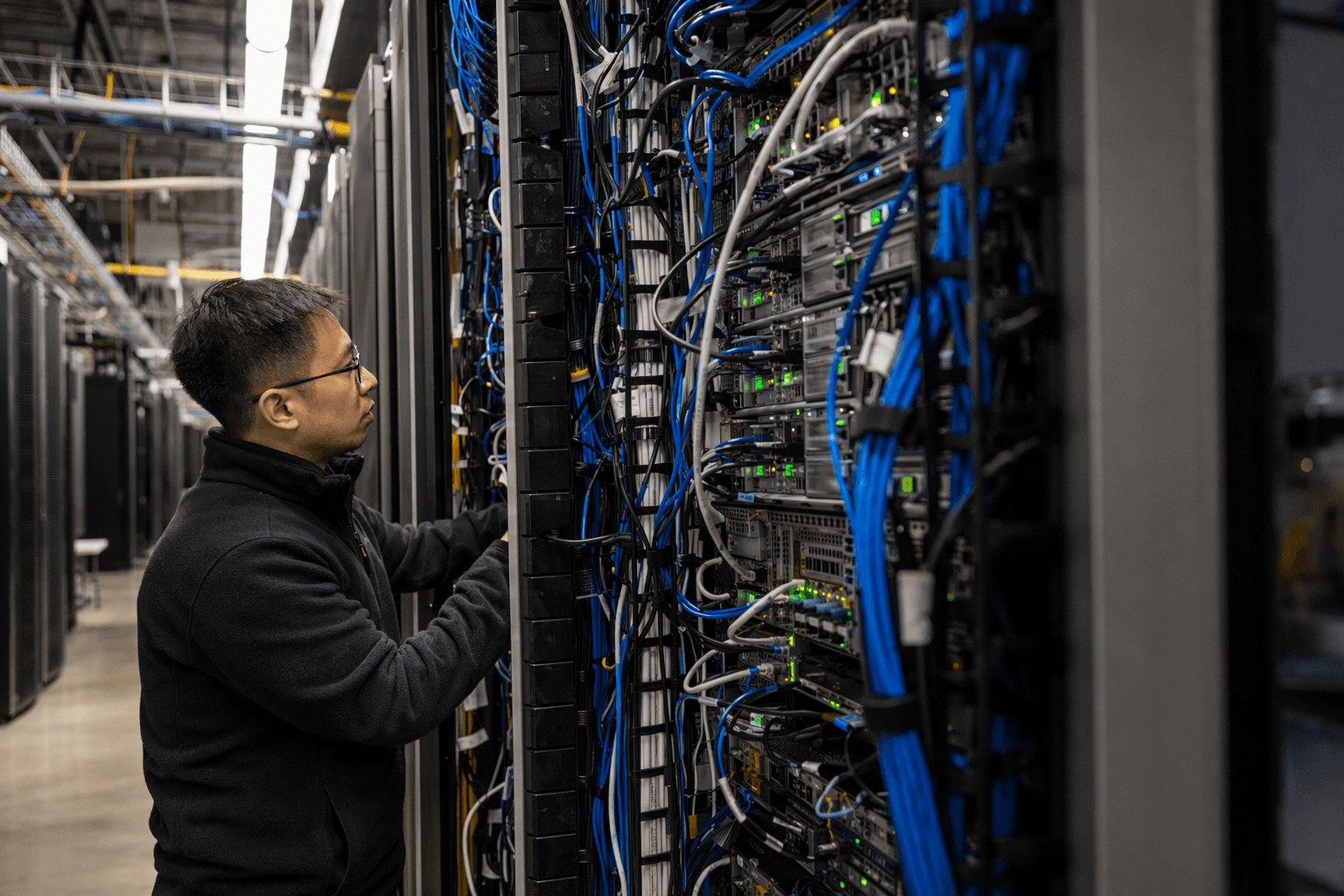
Alphabet’s latest quarter showed that the AI bottleneck is no longer just model quality. It is compute, cloud capacity and the infrastructure needed to deliver enterprise tools at scale, a shift that could squeeze pricing, slow rollouts and raise customer expectations for monday.com’s own AI features.
Alphabet said first-quarter revenue reached $109.9 billion and Google Cloud revenue rose 63% year over year to $20.03 billion. More telling for enterprise software buyers, Sundar Pichai said enterprise AI solutions had become the primary growth driver for Cloud for the first time, while Google also said it was compute-constrained, meaning cloud revenue would have been higher if demand had been easier to meet.
The spending plans matched that pressure. Alphabet raised 2026 capital expenditure guidance to $180 billion to $190 billion, and chief financial officer Anat Ashkenazi said 2027 capex is expected to increase significantly versus 2026. That is a blunt signal to software vendors and customers alike: the AI race is still being funded aggressively, even as the cost of keeping up rises.
For monday.com, the practical takeaway is that buyers will increasingly judge work-management software against the broader AI stack, not just against Airtable, Asana or Smartsheet. Google said cloud backlog nearly doubled quarter over quarter to $462 billion, with just over 50% expected to convert to revenue within 24 months. It also said revenue from products built on its gen AI models grew nearly 800% year over year, new customer acquisition doubled and multiple billion-dollar-plus deals closed in the quarter.
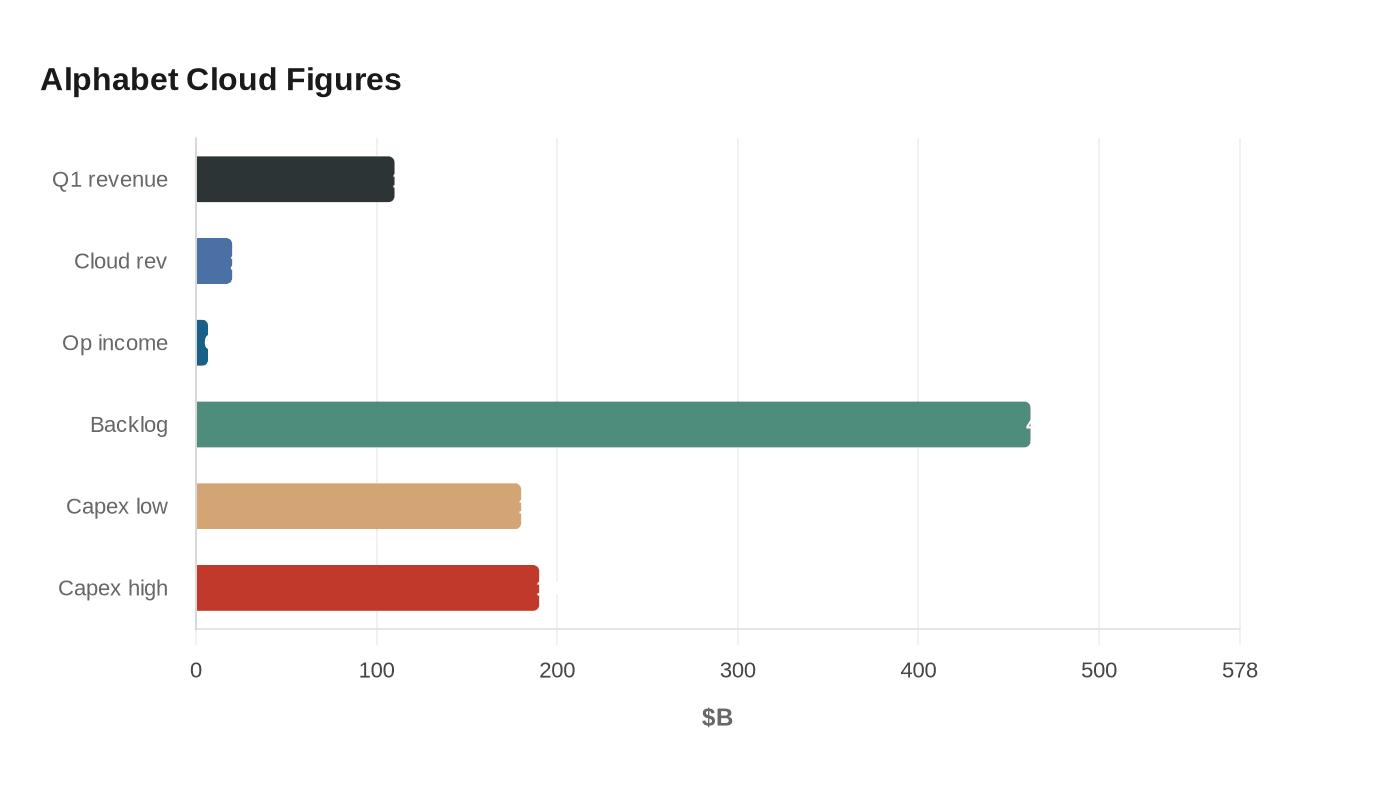
Google Cloud’s own operating income rose to $6.6 billion, with operating margin expanding to 32.9% from 17.8% a year earlier. That kind of profitability gives Google more room to bundle models, cloud, workspace tools and agentic features into the same enterprise pitch, the exact environment monday.com has to sell into.
The product pressure is also getting more specific. Pichai said Gemini Enterprise had 40% quarter-over-quarter growth in paid monthly active users. Google said it will begin delivering TPUs directly to select customers’ data centers, and that TPU hardware agreements are now included in cloud backlog, with most revenue expected in 2027. Those moves push Google deeper into the enterprise workflow layer, where monday.com is trying to make its own AI useful inside day-to-day planning, sales and operations work.
Google Cloud Next 2026, held in Las Vegas from April 22 to April 24, framed the company’s pitch around the “agentic enterprise,” and said nearly 75% of Google Cloud customers are using its AI products. For monday.com, that is the real competitive backdrop: customers are no longer asking only which platform manages work best, but which one plugs most cleanly into the AI systems already reshaping how that work gets done.
Know something we missed? Have a correction or additional information?
Submit a Tip