Google Workspace Gemini now turns prompts into ready-to-share files
Gemini can now turn a prompt into Docs, Sheets, Slides and more, pushing AI from drafting helper to file factory. That raises the bar for monday.com-style workflow software.
Google just moved Gemini closer to the moment workers actually hand something off. A conversational prompt can now become a formatted Google Doc, Sheet, Slide, PDF, Microsoft Word file, Excel file, CSV or Markdown file, cutting out the copying, pasting and cleanup that usually sit between a rough idea and something shareable.
The change sounds small, but it marks a bigger shift in knowledge work: AI is no longer being judged only on whether it can help write. It is being judged on whether it can produce the artifact. Google said the feature was rolled out to Gemini app Rapid Release and Scheduled Release users on April 27, then folded into the May 1 weekly Workspace recap. Google’s Gemini app blog also said users can generate downloadable files directly in chat. Workspace support documentation still says access depends on an eligible Google Workspace edition or a qualifying Google AI plan, so the feature is being positioned as mainstream even if account type still matters.
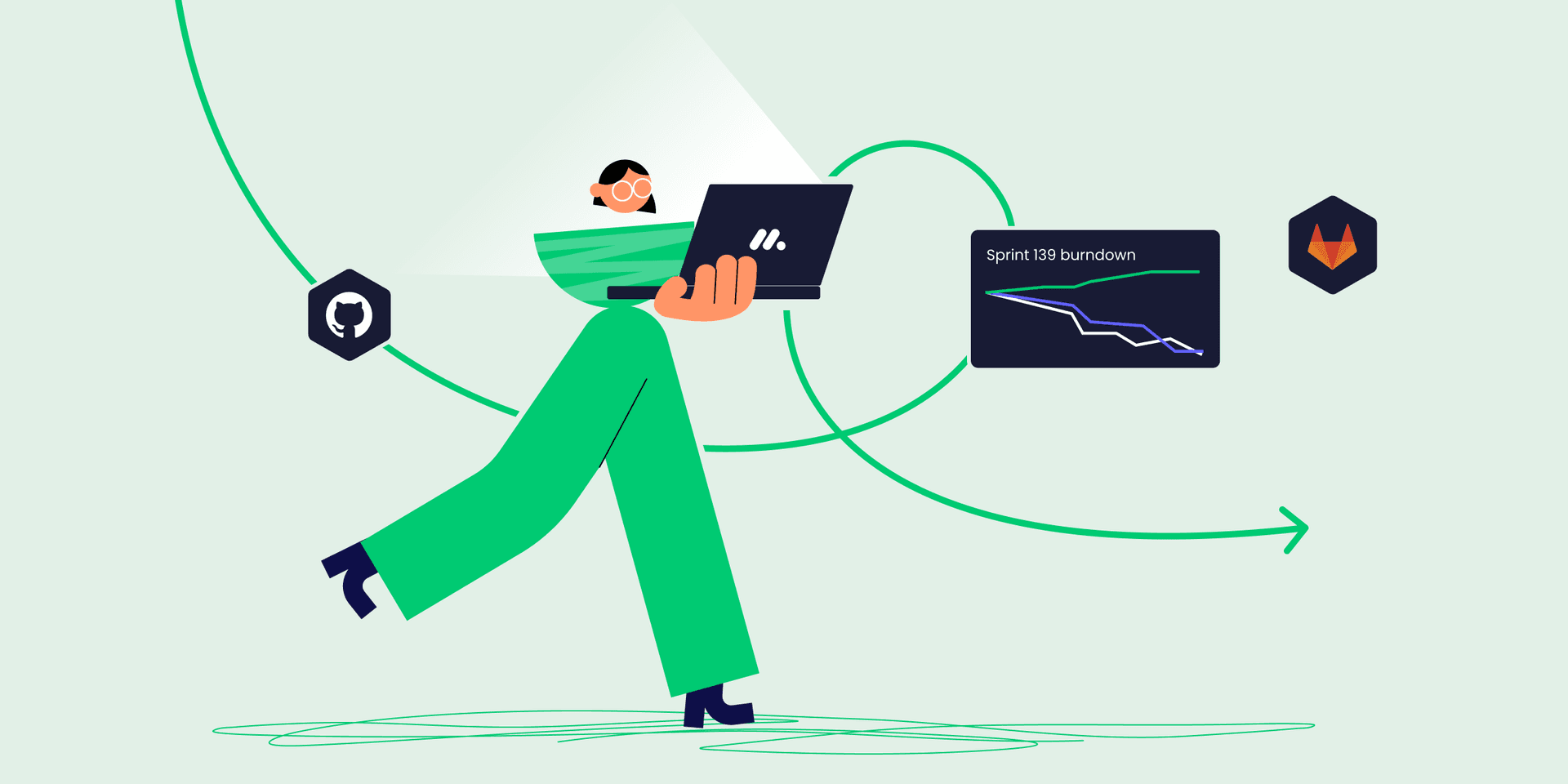
For monday.com, that pushes the competitive question away from drafting and toward orchestration. If a user can get a polished deck, spreadsheet or brief in one step, then workflow software has to justify itself with everything that sits around the file: approvals, ownership, dependencies, traceability and cross-team visibility. Engineers, product managers and sales teams do not just need a deliverable. They need to know who signed off, what changed, what is blocked and where the work lives after the first draft is done.
That is where monday.com’s own AI push comes into focus. On July 10, 2025, the company introduced monday magic, monday vibe and monday sidekick as platform-wide AI capabilities. In March 2026, it said it had added infrastructure for external AI agents to sign up, authenticate and operate inside the platform. The message is clear: AI should do more than draft around the edges. It should execute inside the system where work is tracked.
The scale behind that bet is already sizable. monday.com says more than 250,000 customers worldwide use its platform. For FY2025, it reported $1.232 billion in revenue, 27% revenue growth and a 14% non-GAAP operating margin. It also said monday vibe became the fastest product in company history to pass $1 million in ARR, while customers with more than $50,000 in ARR now account for 41% of total ARR.
The trust layer matters as much as the speed. monday.com says its AI features do not override existing access permissions, do not use customer input or output to train models, and protect AI data with encryption in transit and at rest. As Google makes files from prompts feel normal, the winning work platforms will be the ones that can turn that speed into governed workflow instead of a pile of pretty drafts.
Know something we missed? Have a correction or additional information?
Submit a Tip