Harvard Business Review says digital product management beats project teams
The real edge is not shipping faster, but owning work after launch. monday.com's AI push shows why permanent product teams fit SaaS better than temporary project squads.

Why the operating model matters
Temporary teams can launch a system, but they usually disappear just as the hard part begins. That is the core argument in Harvard Business Review’s case for digital product management: build with a permanent team that can keep improving the system after launch, not just deliver it once and move on.
For monday.com, that is more than an abstract management theory. A work-management platform lives or dies on how well teams coordinate after a feature ships, when customers start layering integrations, changing workflows, and asking AI to behave reliably inside real business processes. In that environment, the operating model is part of the product itself.
Project squads stop at delivery, product teams own the outcome
The HBR piece draws a sharp line between traditional IT project management and digital product management. Waterfall and agile project-based approaches can still create new systems, but the article argues they carry high failure rates, especially as organizations add complexity and AI into the mix. The problem is not only speed. It is continuity, because a one-time implementation does not solve the work that follows launch.
That distinction matters in a company like monday.com, where product and process are tightly linked. If the team around a feature is temporary, the context often walks out the door with the project. If the team is permanent, it can track customer friction, retrain the system, adjust the roadmap, and keep the product aligned with how work actually gets done.

The New York Times’ March 2011 paywall is the kind of example that makes the point stick. A new digital revenue stream was never just a product launch. It required a new way of operating, with ownership that could last beyond the rollout moment. The HBR logic says modern companies need the same thing when they build AI-powered products, because learning does not stop at release.
Why monday.com is a useful lens for this shift
monday.com has already started talking like a company that understands this problem. On July 10, 2025, it introduced monday magic, monday vibe, and monday sidekick as part of a platform-wide AI shift, framing the launch as a way to help teams build scalable solutions without needing technical expertise. The company said the new capabilities were built in response to real customer needs, with the goal of boosting efficiency, accelerating execution, and making AI accessible to every team.
That matters because monday.com sells the kind of software that exposes broken coordination fast. If a sales team, an engineering group, and a product manager are all working from different assumptions, the platform ends up reflecting that chaos. A durable product team, by contrast, can keep the workflow coherent after launch, which is exactly what customers expect from a work-OS product.
The company’s own language keeps moving in that direction. In a May 2026 company story, monday.com said it was making “the biggest change in the company’s history” by rebuilding the platform around people and agents working together to get work done. That is a clear signal that the product is no longer being sold as a static toolkit. It is being positioned as an evolving system of execution.
What the numbers say about the stakes
This is not a theory playing out at a small scale. In its February 9, 2026 fourth-quarter and full-year 2025 results, monday.com said revenue reached $333.9 million in the quarter, up 25% year over year. Full-year 2025 revenue growth came in at 27%, and non-GAAP operating margin was 14%. The company also said customers with more than $50,000 in ARR represented 41% of total ARR, which suggests deeper enterprise usage and more complicated customer needs.
The AI products themselves are showing traction. monday.com said monday vibe became the fastest product in company history to surpass $1 million in ARR. That is a useful signal for anyone inside the company, because it suggests customers are not just experimenting with AI add-ons. They are paying for capabilities that need to keep improving once they are in the field.
The company also said it had more than 250,000 customers worldwide in connection with its 2025 annual report filing with the Securities and Exchange Commission. At that scale, the cost of fragmented ownership rises quickly. A platform serving that many customers cannot afford a handoff culture where one team ships and another team is left to clean up the edge cases.
What permanent ownership changes for engineers, PMs, and sales
For engineers, permanent product teams mean more than code ownership. They mean staying close to how the system behaves after launch, including AI responses, integration failures, and customer-specific workflows that only show up in production. That is a very different rhythm from a project squad that disbands once the delivery date passes.
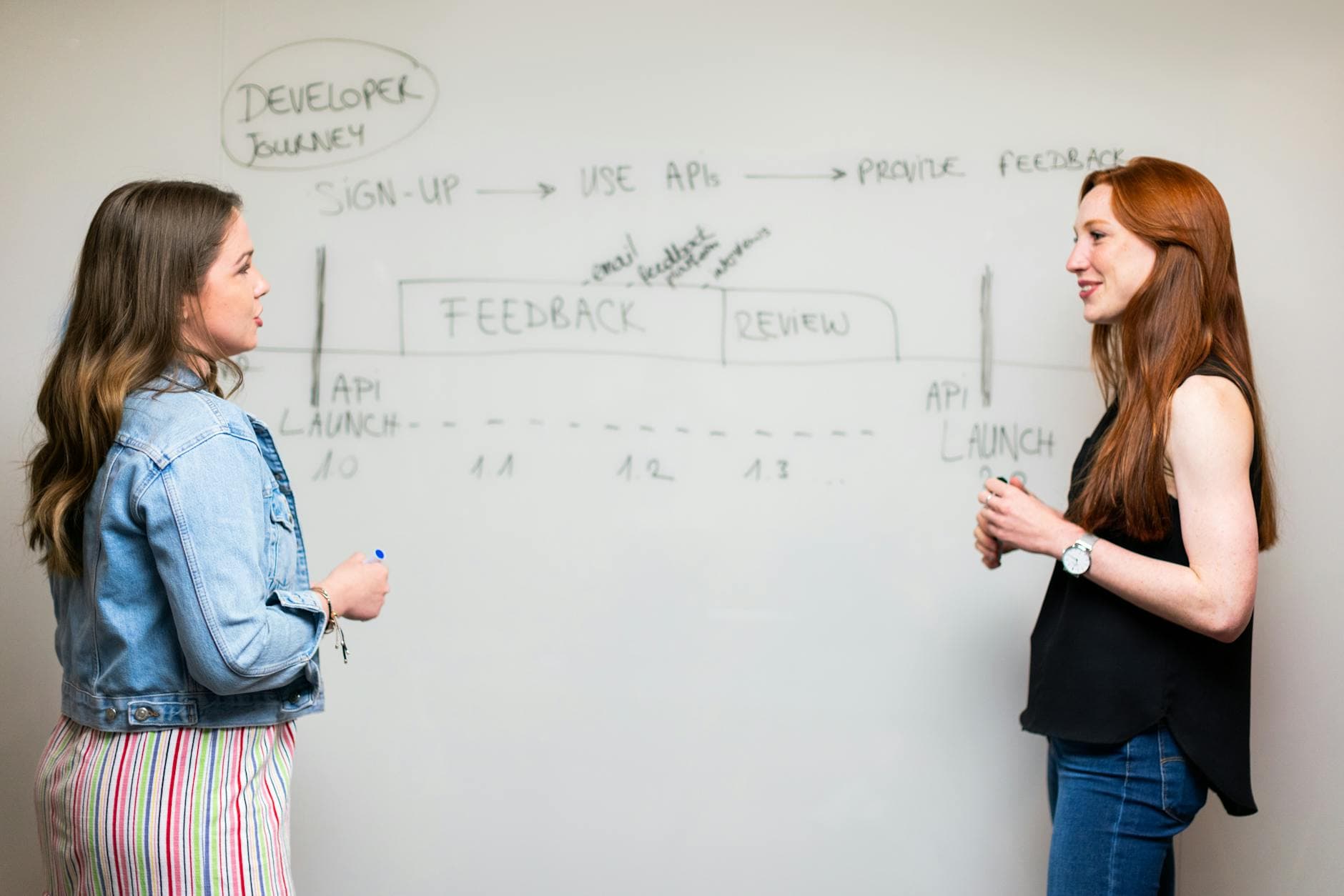
For product managers, the shift changes the shape of the roadmap. Outcome-based planning matters more than milestone theater, because the metric is not whether a feature went live. It is whether the feature keeps producing value as customer expectations change. In a SaaS company like monday.com, where usage patterns and AI behavior evolve quickly, that kind of ownership is the only way to keep a product relevant.
For sales teams, the implication is equally practical. Selling a platform is not the same as selling a fixed implementation. Buyers want proof that the product can adapt with them, which means the sales story has to reflect continuous iteration, not a one-and-done deployment. That is especially true when the message is AI for every team, because customers will judge the promise by how well the product keeps learning after the first sale.
The broader management rethink
The deeper lesson in the HBR argument is that companies are no longer choosing between shipping and supporting. They have to do both in the same operating model. Temporary project teams can still help with burst capacity, but permanent product teams are what preserve context, accountability, and customer focus when the work gets messy.
For monday.com, that is not just a management philosophy. It is a commercial reality. The company’s AI launches, its growth in higher-value customers, and its own claim that it is rebuilding the platform around people and agents all point to the same conclusion: the work does not end at launch, and neither should the team.
Know something we missed? Have a correction or additional information?
Submit a Tip