Monday.com builds culture on transparency, shared ownership, and unusual perks
monday.com turns transparency into an operating system, but the same openness that speeds work can make every miss harder to hide.

Transparency as the operating model
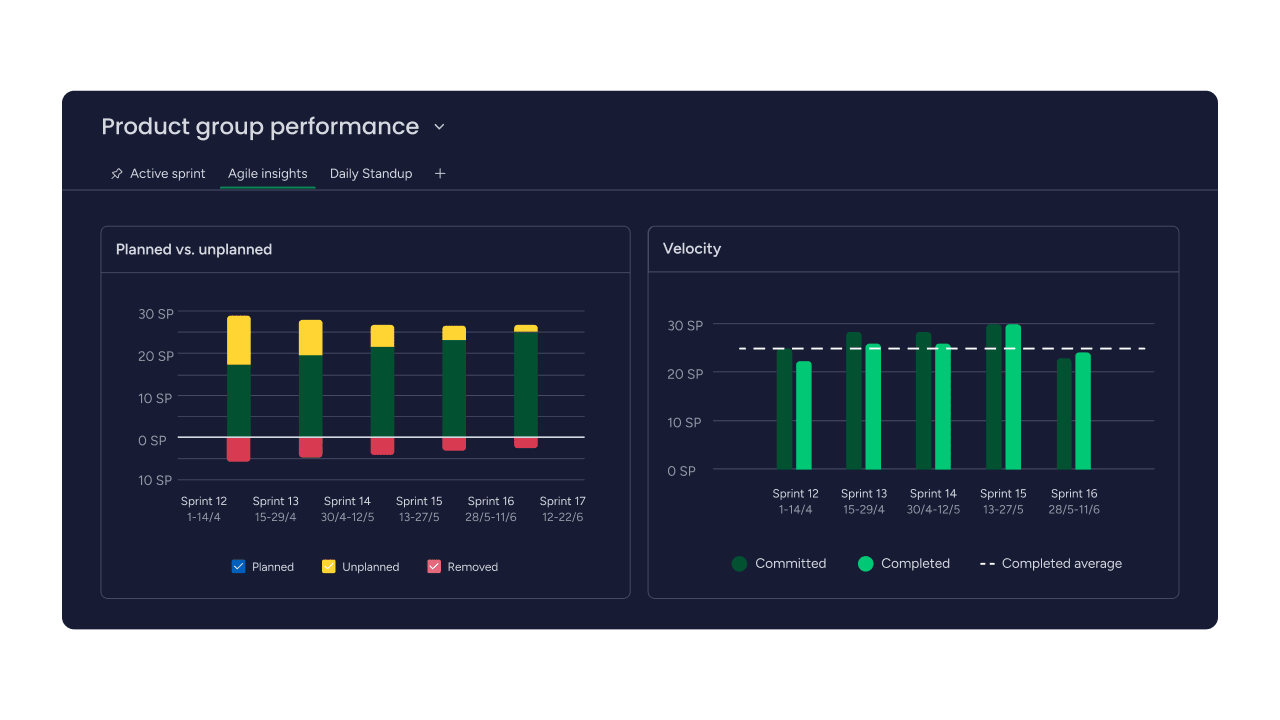
monday.com does not treat transparency as a slogan pinned to a careers page. It uses visibility as a management tool: employees can see the product roadmap, developer insights on new projects, and dashboards that track KPIs and performance. That matters inside a company built to sell work management software, because it gives engineers, product managers, and sales teams a common view of what the business is doing and where it is headed.
In practice, that kind of access can shorten the distance between teams that often work in silos. Product does not have to translate the roadmap from scratch for sales, and sales does not have to guess which launches are real priorities. The upside is cleaner alignment and fewer handoff failures. The tradeoff is obvious too: when KPIs are visible across the company, so is underperformance, which can make the culture feel less forgiving even when it is more coherent.
Shared ownership shows up in how work gets made
The company’s culture profile points to another unusual choice: monday.com keeps creative production, marketing, and distribution in-house rather than outsourcing the work. That is more than a resourcing decision. It suggests a preference for speed, brand control, and direct ownership of how launches land in the market.
For a SaaS company with a constant cadence of product changes, that setup can reduce the back-and-forth that usually slows execution. Teams do not need to wait on outside agencies to turn a product update into a campaign or a launch asset. The result should be tighter product-marketing coordination and a clearer line from feature development to customer messaging. It also means monday.com is asking more of its internal teams, because the company is carrying more of the creative burden itself.
The sales model is designed to reduce internal competition
One of the most telling details is the company’s stance on sales commissions. monday.com says its internal sales team does not work on a commission model, and it frames that choice as a way to avoid competition among team members. That is a notable break from the incentive structures that shape much of enterprise software sales, where reps often chase individual quota at the expense of collaboration.
For employees, a no-commission structure changes the emotional texture of the job. Reps are less likely to treat one another as direct rivals, and more likely to work alongside product and customer-facing teams around the broader outcome of winning and retaining accounts. That can strengthen product-sales alignment, especially in a company that wants feedback from the field to flow back into the roadmap rather than get buried in quota pressure. The nuance is important, though: monday.com’s partner ecosystem does use commission-based incentives, which shows that the no-commission philosophy is specific to its internal sales organization, not the whole commercial network.
Perks are part of cohesion, not just retention
The culture profile also describes a workplace that tries to keep distributed employees feeling like part of one company. Monthly care packages, beer tastings, dueling music contests, remote-work budgets, wellness coaching, and random employee pairings for casual chats all point in the same direction: monday.com is using ritual to make a fast-growing SaaS company feel less fragmented.
Its own company-culture messaging reinforces that approach. The company says it values transparency in hiring and has supported remote employees with home-office budgets and wellness coaching. That matters in a remote-first or hybrid environment, where people can easily drift into isolated subteams unless management puts real structure around connection. The upside is support and inclusion. The downside is that a highly visible, highly social workplace can feel demanding to people who prefer to stay out of the spotlight.
A culture built for scale, not just startup mythology
The company’s origin story helps explain why these choices have lasted. monday.com was founded in 2012 by Roy Mann and Eran Zinman, after they experienced the pain of scaling organizations firsthand. The company says its mission is to build a culture of transparency and help teams achieve more and be happier at work. That framing is not just about employee experience; it is part of how the company presents itself as it grows into a larger, more scrutinized software business.
The scale now is very different from the early days. monday.com says it serves more than 250,000 customers worldwide, and its shares began trading on the Nasdaq Global Select Market under the ticker MNDY on June 10, 2021. Once a company reaches that size, culture stops being an internal vibe and becomes part of operating discipline. Investors, customers, and employees all start reading the same signals, which makes transparency more valuable and more costly at the same time.
The through line from 60 people to a public company
An older company blog post shows that monday.com was already thinking about culture when it had just over 60 people and 25 open roles. That continuity matters. The current emphasis on openness and cohesion does not look like a post-IPO rebrand; it reads more like a philosophy that survived growth, product expansion, and public-market pressure.
That is the real story here for people inside the company. monday.com’s culture does not just offer perks or polished messaging. It tries to make transparency, shared ownership, and internal alignment part of the way work gets done. For engineers, product managers, and sales teams, that can mean faster decisions and clearer priorities. It can also mean less room to disappear into the background. At monday.com, the same systems that help the company move faster also make it harder for anyone to hide from the work.
This article was produced by Prism’s automated news system from verified source data, official records, and press releases, then run through automated quality and moderation checks before publishing. The system is built and supervised by the people who set the standards it runs under. Read our full AI policy.
Did this article answer your question?