Monday.com employees can use certifications to build shared technical fluency
Certifications can help monday.com teams speak the same cloud, security, and AI language, not just collect badges. The best ones depend on whether you build, ship, or sell.
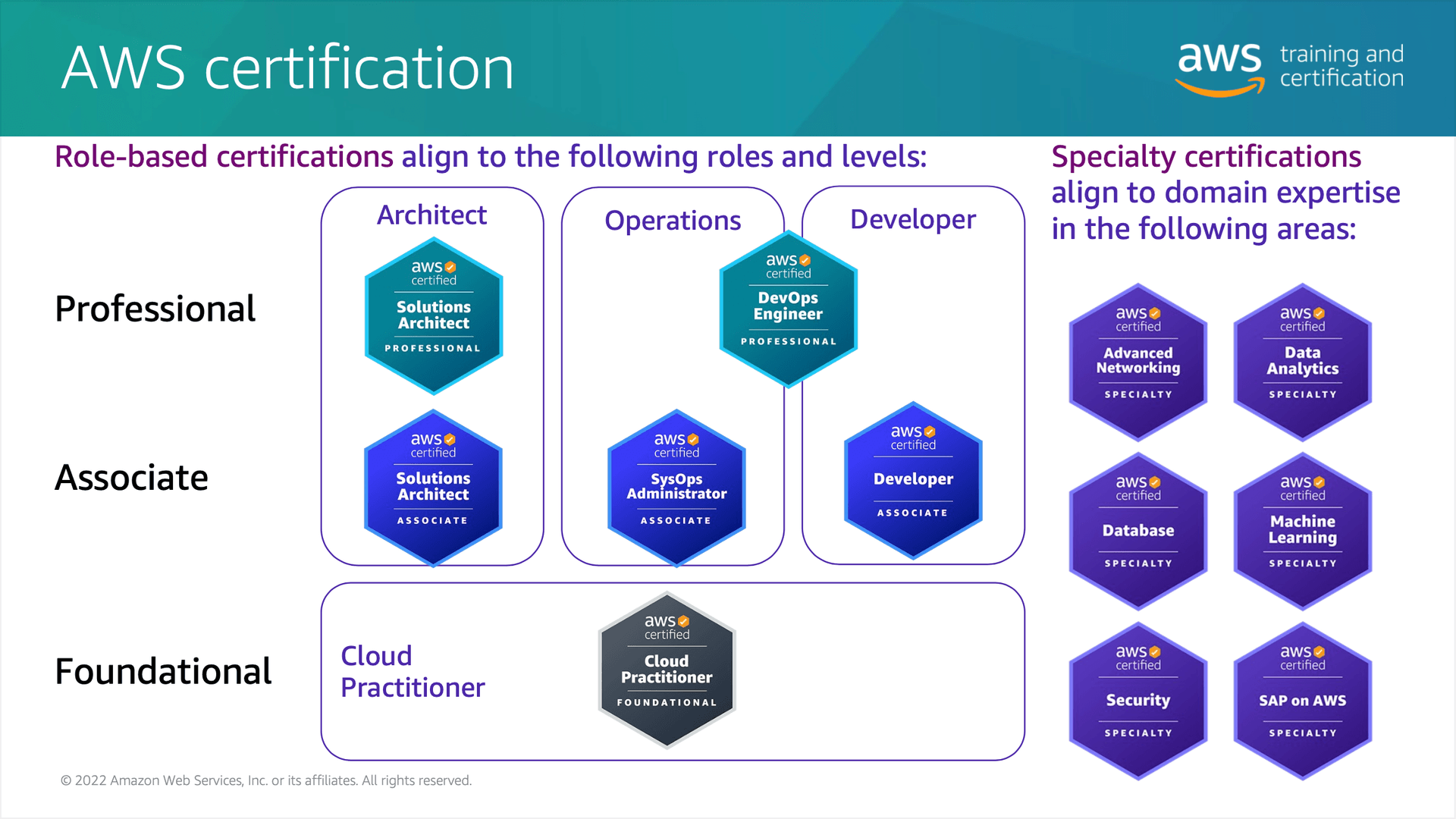
At monday.com, a cloud or security credential can give engineers, product managers, and sales teams a shared vocabulary for systems, tradeoffs, and risk. The strongest certification paths are role-aligned, not title-aligned. AWS offers foundational options such as Cloud Practitioner and AI Practitioner for baseline understanding of cloud and AI concepts, while Google Cloud offers Professional Cloud Architect and Professional Data Engineer for enterprise solution design and data pipelines. Microsoft Learn and CompTIA cover adjacent gaps in security, compliance, identity, and broader technical literacy.
Why shared technical fluency matters
In a modern SaaS business, the hardest conversations are often not about features, but about constraints. A customer wants a workflow, an engineer sees infrastructure limits, a product manager sees roadmap tradeoffs, and a sales rep hears a procurement objection about governance or risk. Certifications help reduce that translation loss by giving people the same mental model for cloud architecture, identity, data movement, and security controls.
For monday.com, that matters because the company is selling into larger enterprises and expanding its AI story. When more of the organization can talk clearly about how systems are built, protected, and extended, fewer ideas get lost between customer needs, product design, and implementation reality.
What engineers get from the right path
For engineers, the most useful certifications are the ones that deepen system design instincts. A cloud architecture path can sharpen how you think about scalability, reliability, and service boundaries, while a data engineering credential can improve your instincts around pipelines, storage, and downstream consumers. Security-focused study adds another layer, especially when engineering decisions affect access control, logging, or compliance.
Google Cloud’s Professional Cloud Architect and Professional Data Engineer paths are especially relevant when the job involves enterprise-scale solution design or data flows. AWS’s Cloud Practitioner is more foundational, but it can be a useful starting point for engineers who do not live in infrastructure every day and still need to understand the building blocks of cloud systems. AWS’s AI Practitioner can play a similar role for teams trying to get grounded in AI concepts before they decide where and how to ship them.
For a monday.com engineer, the goal is enough fluency that a design review, a customer escalation, or an AI feature discussion moves faster because the basics are already shared.
What product managers gain from a baseline credential
Product managers usually do not need the deepest infrastructure specialization, but they do need enough technical fluency to make better tradeoffs. A foundational cloud or AI certification can help turn vague requirements into sharper questions: what needs to be persistent, what can be asynchronous, what needs human review, and what will break if the model behaves unpredictably. That is often the difference between a product idea that sounds good in a deck and one that survives actual usage.

AWS’s Cloud Practitioner and AI Practitioner fit that use case well because they establish the vocabulary without demanding a full infrastructure career. For PMs at monday.com, that vocabulary can be especially helpful when the company is thinking about AI features, enterprise readiness, and how workflow products fit into broader customer systems. If you can talk plainly about cloud concepts, data handling, and AI basics, you are less likely to overpromise in planning and more likely to ask the right questions early.
What sales and solutions teams need to know
Sales and solutions teams often get judged on business outcomes, but they win or lose deals on technical credibility. Enterprise buyers increasingly expect the people selling to them to understand integrations, governance, security posture, and implementation risk, not just pricing and packaging.
A sales or solutions professional does not need to become a full-time architect. But knowing the difference between a baseline cloud concept and a more advanced implementation issue can change the quality of a discovery call, a security review, or a procurement conversation. Microsoft Learn’s paths around security, compliance, and identity are useful here, as are broader technical credentials from CompTIA that can round out understanding without forcing a deep specialization.
For monday.com, this matters because enterprise expansion raises the stakes of every customer conversation. A rep who understands the mechanics behind integrations, access, and control can move faster with IT and procurement, and can set expectations more honestly with buyers.
How to choose without turning it into badge collecting
The smartest certification plan starts with the friction you see most often in your role. If your work gets slowed by architectural tradeoffs, start with cloud architecture or data engineering. If you keep getting pulled into questions about risk, access, or enterprise review, start with security, compliance, or identity. If you are trying to make sense of AI features without drifting into hype, start with a foundational AI credential.
A simple test can keep the decision practical:
- If you need to understand how systems are built and connected, choose cloud architecture.
- If you work with data flows, reporting, or model inputs, choose data engineering.
- If customers ask about governance, controls, or risk, choose security or identity.
- If your job is to explain AI without overselling it, choose a foundational AI path.
This article was produced by Prism’s automated news system from verified source data, official records, and press releases, then run through automated quality and moderation checks before publishing. The system is built and supervised by the people who set the standards it runs under. Read our full AI policy.
Know something we missed? Have a correction or additional information?
Submit a Tip